The Early Years of David: A Shepherd’s Heart
David’s story begins in the fields of Bethlehem, where he tended his father’s sheep. This humble beginning is significant, as it shaped his character and relationship with God. David learned to rely on the Lord, protecting his flock from lions and bears. These early experiences cultivated not only his bravery but also a deep sense of dependence on God’s strength.
Throughout his life, David often reflected on his shepherding days. In the Psalms, he expresses profound trust in God as his Shepherd, illustrating the intimate relationship he cultivated with the Lord. When we face our own challenges, whether large or small, we can also look to God as our Shepherd who guides and protects us.

Anointed and Appointed: The Call to Leadership
The anointing of David by the prophet Samuel marks a pivotal moment in his life. Despite being the youngest of his brothers, God chose David to lead His people. This selection was not based on outward appearance, for God looks at the heart. David’s heart was attuned to God’s will and purpose, which is a critical lesson for us in our own lives.
Leadership in the biblical sense involves serving others and seeking God’s guidance. David’s journey to the throne was filled with trials, including fleeing from King Saul, which tested his patience and faith. His experiences teach us that true leadership is often forged through adversity, and that we should remain faithful and humble, trusting in God’s timing.
<h2:Faith in Action: Confronting Goliath
Perhaps one of the most well-known stories of David is his confrontation with Goliath. Armed only with a sling and five stones, David faced the giant that struck fear into the hearts of the Israelite army. His confidence stemmed from his faith in God, not from his own strength or abilities.
David’s declaration before Goliath, proclaiming that the battle belongs to the Lord, is a profound reminder for us. When we face our own giants—whether they are challenges at work, struggles in relationships, or internal battles with fear and doubt—we can draw inspiration from David. He reminds us that faith can empower us to face seemingly insurmountable obstacles.

Reflection Point
Consider how David's relationship with God shapes your own life and leadership. Embrace both triumphs and failures as part of your journey.
The Complexity of David’s Character
David was not without flaws; his life was marked by sin, including his infamous sin with Bathsheba. This moment of weakness showcases the complexities of human character. Despite his failures, David’s genuine repentance and desire to return to God illustrate a heart that yearns for restoration.
Understanding David’s shortcomings helps us realize that we are all susceptible to sin, yet God’s grace is abundant. David’s life teaches us about the importance of confession and seeking forgiveness. His psalms reveal a deep sorrow for sin and a longing for God’s mercy, encouraging us to approach God with humility and honesty.
<h2:Worship: The Heart of David
David is often remembered as a man of worship. He composed many psalms, pouring out his heart in praise, lament, and thanksgiving. His dedication to worship reflects a deep understanding of God’s character and an acknowledgment of His sovereignty.
In 2 Samuel, we see David dancing before the Lord as the Ark of the Covenant was brought back to Jerusalem. This act of worship was not just a personal expression but a communal celebration. David’s example encourages us to make worship a central part of our lives, not just in song but through our actions and attitudes.

<h2:Friendship and Loyalty: David and Jonathan
The friendship between David and Jonathan is one of the most beautiful relationships depicted in Scripture. Despite Jonathan being the son of Saul, the king who sought to kill David, their bond was marked by loyalty and love. This relationship illustrates the power of true friendship and the importance of supporting one another through trials.
David and Jonathan’s covenant reflects the nature of faithful companionship. In our own lives, we are called to be loyal friends, encouraging and uplifting those around us. Their story serves as a reminder that God places people in our lives to walk alongside us, providing strength and support.
<h2:Leadership Lessons from David's Reign
As king, David faced numerous challenges, from political intrigue to family strife. His leadership was characterized by seeking God’s will, which is a vital lesson for all leaders today. David often inquired of the Lord before making decisions, demonstrating the importance of divine guidance.
Moreover, David’s ability to unify the tribes of Israel under his reign illustrates the power of vision and purpose in leadership. His focus on the spiritual and moral integrity of his kingdom serves as a blueprint for leaders to prioritize God’s principles in their governance.
<h2:Facing Consequences and Seeking Restoration
David experienced significant consequences for his actions, particularly following his sin with Bathsheba and the subsequent death of Uriah. The weight of his decisions brought turmoil to his family and kingdom, yet David’s response to these consequences reveals his character.
Instead of succumbing to despair, David sought restoration through repentance. His journey teaches us that acknowledging our failures and seeking God’s forgiveness is crucial for healing. Even in the face of consequences, we can experience God’s grace and restoration, reminding us that His love is greater than our failures.
<h2:David's Legacy: A Heart for God
Ultimately, David is remembered as a man after God’s own heart. His life encapsulates the journey of faith, marked by both triumphs and failures. David’s legacy encourages us to pursue a relationship with God, embracing our own imperfections while striving for a heart that seeks Him.
As we reflect on David’s life, we can learn how to cultivate our own faith and trust in God. His story inspires us to be authentic in our worship, humble in our leadership, and courageous in facing life’s challenges. In every moment, whether in victory or defeat, we can look to David’s example as a guide for our own spiritual journey.
As we seek to apply these lessons from David, may we grow closer to God, empowered by His grace and mercy to lead lives that reflect His love.
David’s Faith and Worship: A Model for Personal Devotion
David is often celebrated not only as a king but as a man of deep faith and worship. His psalms reflect an intimate relationship with God, filled with praise, lament, and trust. Through music and poetry, David expressed his emotions and thoughts toward God, showcasing the importance of worship in our spiritual lives.
Key Takeaways
- David's faith inspired many
- His leadership shaped a nation
- David's flaws remind us of grace
- Worship was central to his life
One of the most profound examples of David’s worship is found in his response to challenges. When he faced Goliath, he declared, “The battle is the Lord’s” – 1 Samuel 17:47. This statement encapsulates his unwavering faith in God’s power, which is something we can emulate when confronted with our giants.
David’s commitment to worship is evident in his desire to bring the Ark of the Covenant to Jerusalem, a symbol of God’s presence among His people. He danced before the Lord with abandon, demonstrating that true worship involves both reverence and joy. This teaches us that our relationship with God should be characterized by both solemnity and exuberance.
David’s Failures and Repentance: The Path to Restoration
While David is often remembered for his faith and leadership, his life is also marked by significant failures. The story of his sin with Bathsheba and the subsequent murder of her husband Uriah serves as a sobering reminder of human frailty. Despite his deep love for God, David succumbed to temptation and made grave mistakes.
However, what sets David apart is his response to his sin. When confronted by the prophet Nathan, David did not make excuses or shift blame; instead, he acknowledged his wrongdoing and repented sincerely. “I have sinned against the Lord” – 2 Samuel 12:13. This act of genuine repentance led to his restoration, illustrating that while we may falter, God’s grace is always available to those who turn back to Him.
David’s life teaches us about the importance of accountability and the need for a contrite heart. His Psalm of repentance, Psalm 51, is a beautiful expression of sorrow and a plea for cleansing, showing us that true repentance is not just about regret but a desire to be restored in our relationship with God.
David’s Musical Gift: The Power of Worship
David was not only a warrior and a king but also a gifted musician. His ability to play the harp brought him into the service of King Saul, where he used his musical talents to soothe the troubled king. This aspect of David’s life highlights the importance of worship and the arts in our relationship with God.
Through music, David expressed his deepest emotions, fears, and praises. Many of the Psalms attributed to him resonate with themes of despair and hope, showcasing his reliance on God through both joyous and difficult times. As it is written:
“He put a new song in my mouth, a hymn of praise to our God.” – Psalm 40:3
This verse exemplifies how worship can transform our hearts and renew our spirits. David’s example encourages us to use our gifts to glorify God and to turn to worship as a source of strength and comfort in our own lives.
David’s Repentance: The Heart of a Sinner
Despite his many strengths, David was not without flaws. His infamous sin with Bathsheba and the subsequent consequences serve as a sobering reminder of human fallibility. However, what stands out in David’s story is his response to sin. When confronted by the prophet Nathan, David did not make excuses; instead, he demonstrated genuine repentance.
“Create in me a pure heart, O God, and renew a steadfast spirit within me.” – Psalm 51:10
David’s heartfelt plea for forgiveness illustrates the importance of owning our mistakes and seeking God’s mercy. His willingness to turn back to God after failure teaches us that true repentance brings restoration. It reminds us that, no matter how far we stray, God’s grace is always available to those who seek Him with a contrite heart.
The Unity of Israel: A Vision of Peace
As king, David sought to unify the tribes of Israel and establish a kingdom that honored God. His leadership was marked by significant military victories and the establishment of Jerusalem as the capital. However, David’s vision extended beyond military conquest; he desired to create a place where God could dwell among His people.
David’s plans to build a temple for the Lord, though ultimately fulfilled by his son Solomon, reflect his deep commitment to worship and community. God’s response to David’s desire emphasizes the importance of legacy and the impact of one’s vision:
“You will not build a house for my Name, because you are a warrior and have shed blood.” – 1 Chronicles 28:3
This shows that while David’s ambitions were noble, God had a greater plan in mind. David’s willingness to submit to God’s will, even when it meant letting go of his own dreams, is a powerful lesson in humility and obedience. It encourages us to seek God’s purpose for our lives, trusting that His plans are always for our good and His glory.
The Power of Worship: David the Psalmist
David is perhaps best known for his role as a musician and poet. He authored many of the Psalms, which express a wide range of human emotions, from joy and gratitude to despair and repentance. His ability to articulate his feelings through song reveals a deep understanding of worship and the importance of connecting with God on a personal level.
In moments of distress, David turned to worship as a source of strength. He often played the harp to soothe King Saul’s troubled spirit, demonstrating how music can be a powerful tool for healing and spiritual warfare. His declaration, “I will bless the Lord at all times; his praise shall continually be in my mouth” – Psalms 34:1, reflects a commitment to worship regardless of circumstances.
David’s example encourages us to incorporate worship into our daily lives, allowing our hearts to be filled with praise as we navigate our own struggles. Through worship, we can find peace and clarity, just as David did in the midst of turmoil.
The Complexity of Human Nature: David’s Failures and Repentance
While David is celebrated for his faith and leadership, his story is also one of profound failure. The account of his sin with Bathsheba and the subsequent events that unfolded illustrate the complexities of human nature. Despite being a man after God’s own heart, David succumbed to temptation and made grievous mistakes that had lasting consequences.
“For I know my transgressions, and my sin is ever before me.” – Psalms 51:3
What stands out in David’s narrative is his response to sin. Unlike some, who hide or deny their wrongdoings, David openly confessed and sought God’s forgiveness. His heartfelt plea in Psalms 51 reveals a deep desire for restoration: “Create in me a clean heart, O God, and renew a right spirit within me.” – Psalms 51:10. This act of repentance teaches us that acknowledging our faults and seeking forgiveness is vital in our relationship with God.
David’s life reminds us that while we may falter, God’s grace is sufficient. Through genuine repentance, we can experience restoration and continue to fulfill God’s purpose in our lives.
The Legacy of David: A Model of Faithfulness
David’s life is a tapestry woven with successes and failures, yet through it all, his faithfulness to God shines brightly. His reign as king brought unity to Israel and established a legacy that would have implications for generations. God made a covenant with David, promising that his lineage would endure forever, culminating in the birth of Jesus Christ, the ultimate fulfillment of that promise.
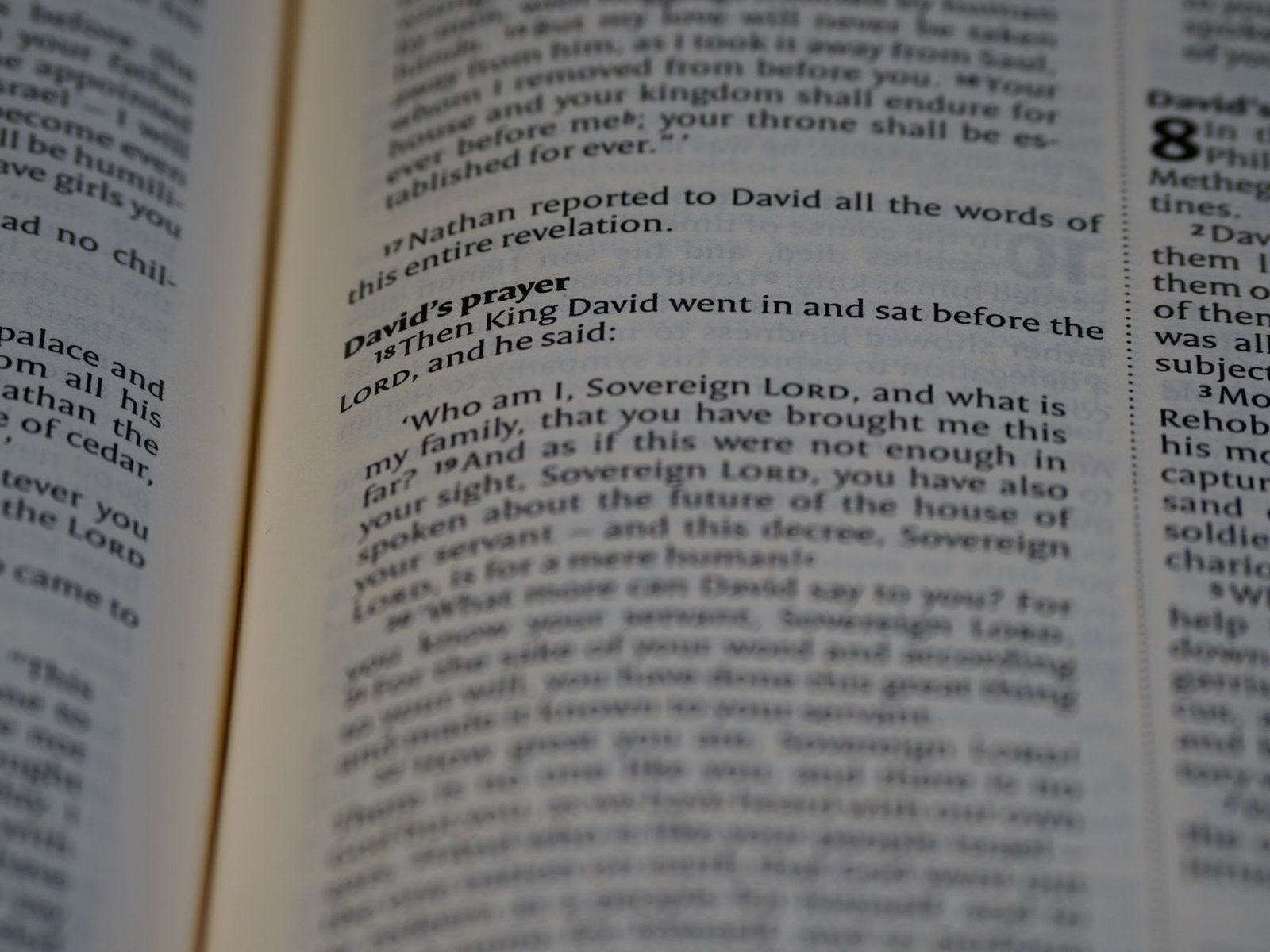
“Your house and your kingdom shall be made sure forever before me. Your throne shall be established forever.” – 2 Samuel 7:16
David’s legacy challenges us to consider what we will leave behind. His devotion to God, his commitment to justice, and his heart for worship serve as a model for all believers. As we strive to build our own legacies, we can look to David’s example of faithfulness, reminding ourselves that our lives can impact others for the Kingdom of God.
Frequently Asked Questions
What can we learn from David's faith?
David's unwavering faith in God, even in perilous situations, teaches us the importance of trust and reliance on God's strength during our challenges.
How did David demonstrate leadership?
David exemplified leadership through humility, courage, and a heart for God, often seeking divine guidance and prioritizing the welfare of his people.
What role did worship play in David's life?
Worship was central to David's life; he composed many psalms expressing his devotion and gratitude, illustrating the importance of worship in our relationship with God.
How can we relate to David's flaws?
David's life was marked by both great victories and serious failures. His story reminds us that God’s grace is sufficient, offering hope for our own imperfections.
Final Thoughts
As we reflect on David's life, we see a man after God’s own heart, whose journey encourages us to pursue our own relationship with God, embracing both our strengths and weaknesses.
Further Study