Losing Our Home Through Foreclosure: Understanding the Process and Finding Hope
Losing a home through foreclosure can be one of the most devastating experiences a family can face. For many, a house isn’t just a property—it’s a sanctuary filled with memories, a symbol of stability, and a significant financial investment. However, circumstances such as unexpected job loss, medical emergencies, or economic downturns can lead to financial struggles, pushing families towards this heartbreaking reality. In this blog post, we will explore what foreclosure means, the process involved, and most importantly, how to cope and rebuild after such a loss.
What is Foreclosure?
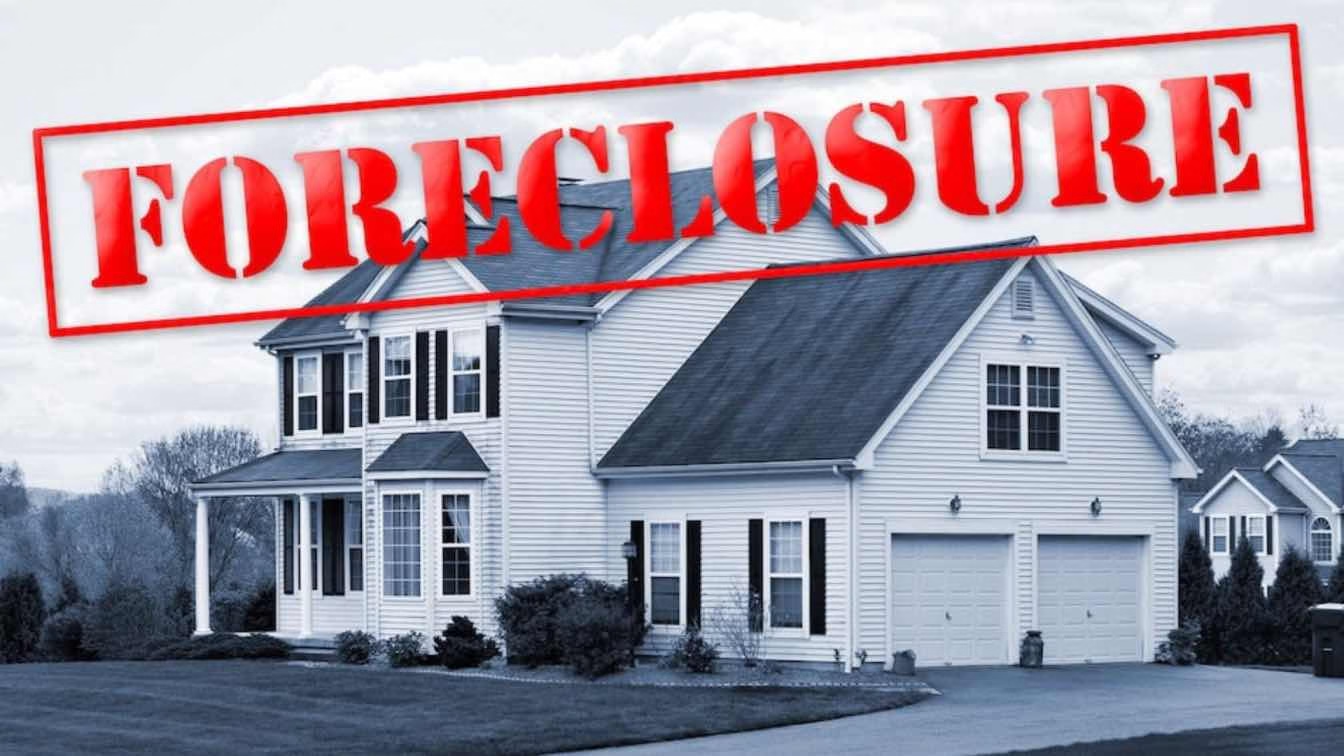
Foreclosure is a legal process through which a lender takes possession of a property when the borrower fails to keep up with mortgage payments. The lender typically does this to recover the amount owed on the loan.
How Foreclosure Works
- Default: If a homeowner misses one or more mortgage payments, the lender may declare the loan in default.
- Notice of Default: After a specified period, usually 90 days, the lender sends a Notice of Default, indicating the borrower is behind on payments.
- Foreclosure Sale: If payments are not made, the lender may initiate the foreclosure proceedings, leading to a public auction of the property.
- Eviction: If the property is sold at auction and not redeemed by the original homeowner, the new owner may initiate eviction proceedings if the former homeowner does not vacate the premises.
Types of Foreclosure
- Judicial Foreclosure: This process occurs through the courts and can take longer than non-judicial foreclosure but may offer more protection to the homeowner.
- Non-Judicial Foreclosure: This method occurs outside of the court system and is generally faster. It usually involves a power-of-sale clause in the mortgage.
The Emotional Impact of Foreclosure
Facing foreclosure can lead to a host of emotional responses, including:
- Shock and Denial: Initially, many homeowners cannot believe they are facing foreclosure. It may feel like a painful aberration rather than an impending reality.
- Anger and Frustration: It’s common to feel anger toward the bank, oneself, or even family members, as this period often brings unresolved tensions to the surface.
- Grief: Losing a home can feel like losing part of one’s identity, leading to understandable grief and sadness.
Coping Strategies
During this challenging time, it’s important to prioritize your emotional health:
- Seek Support: Talk to family, friends, or professional counselors. Sharing your feelings can help reduce stress.
- Stay Informed: Learn about the foreclosure process to feel more in control and less overwhelmed.
- Find Resources: Many nonprofits and local agencies provide resources such as financial counseling, workshops, and support groups.
Navigating the Foreclosure Process
Understanding the available options can ease the pain of foreclosure. Here are steps to consider:
Communicate with Your Lender
- Stay in Touch: Always communicate with your lender. Ignoring their calls or notices can exacerbate the situation.
- Discuss Options: Ask about loan modifications, repayment plans, or alternatives to foreclosure, such as a short sale or deed in lieu of foreclosure.
Explore Assistance Programs
- Government Programs: Research programs like the Home Affordable Modification Program (HAMP) and the Home Affordable Foreclosure Alternatives (HAFA). These initiatives may offer relief for qualifying homeowners.
- Nonprofit Organizations: Organizations like the National Foundation for Credit Counseling (NFCC) offer free or low-cost consultations to help navigate through these tough times.
Consider Legal Advice
If you feel overwhelmed, don’t hesitate to seek legal counsel. A lawyer specialized in foreclosure can:
- Explain your legal rights and obligations
- Help negotiate with your lender
- Assist in exploring options to prevent foreclosure
Rebuilding After Foreclosure
While facing foreclosure may feel like the end, it can also be a new beginning. It can lead to personal growth, financial knowledge, and ultimately, recovery.
Steps to Rebuild Your Finances
- Understand Your Credit Score: Get a copy of your credit report, understand the impact of foreclosure, and work on rebuilding your score.
- Create a Budget: Reevaluating your finances can help you regain control. Track spending and develop a plan for savings.
- Consider Alternative Housing: Renting can offer flexibility as you regroup financially. Look for affordable housing options in your area.
Setting Future Goals
- Establish Savings: Start setting aside funds for a future home, aiming for a substantial down payment to secure a better mortgage.
- Educate Yourself: Consider taking financial literacy courses to improve your understanding of budgeting, credit management, and homeownership.
Conclusion: Finding Hope After Foreclosure
While losing a home through foreclosure is a painful journey, it does not define your future. By understanding the foreclosure process, seeking support, and adopting healthy coping mechanisms, homeowners can emerge stronger and more resilient. Remember, many individuals and families have walked this path and have not only recovered but gone on to achieve homeownership again. Embrace this chance to learn, grow, and prepare for a brighter financial future. Each setback can serve as a launchpad for success; don’t hesitate to reach for it.