
Losing a spouse is one of the most challenging experiences one can face. The profound emotional void and upheaval can be relentless, yet amidst the sorrow, there can be opportunities for growth, healing, and hope. In this blog post, we will explore personal reflections, insights from Scripture, and real-life examples to help navigate the complex journey of grief.
Understanding the Depth of Grief
When my husband passed away, it was as though the world had shifted. The familiar rhythms of daily life vanished, replaced by an overwhelming silence. Grief is not just an emotional response; it’s an intricate process that impacts every facet of life.
The Initial Shock
- Denial and Disbelief: It’s common to experience a state of shock, often marked by a refusal to accept the reality of loss.
- Emotional Numbness: This can be a protective mechanism, allowing us to cope with immediate pain.
The Waves of Sorrow
Grief is often likened to waves—it comes in powerful surges, sometimes when least expected. This unpredictability can be unsettling but acknowledging these feelings is crucial.
- Crying: Tears are a natural and healthy way to express sorrow.
- Feelings of Loneliness: The absence of a partner can lead to an intense feeling of loneliness, despite being surrounded by others.
Seeking Comfort and Understanding from Scripture
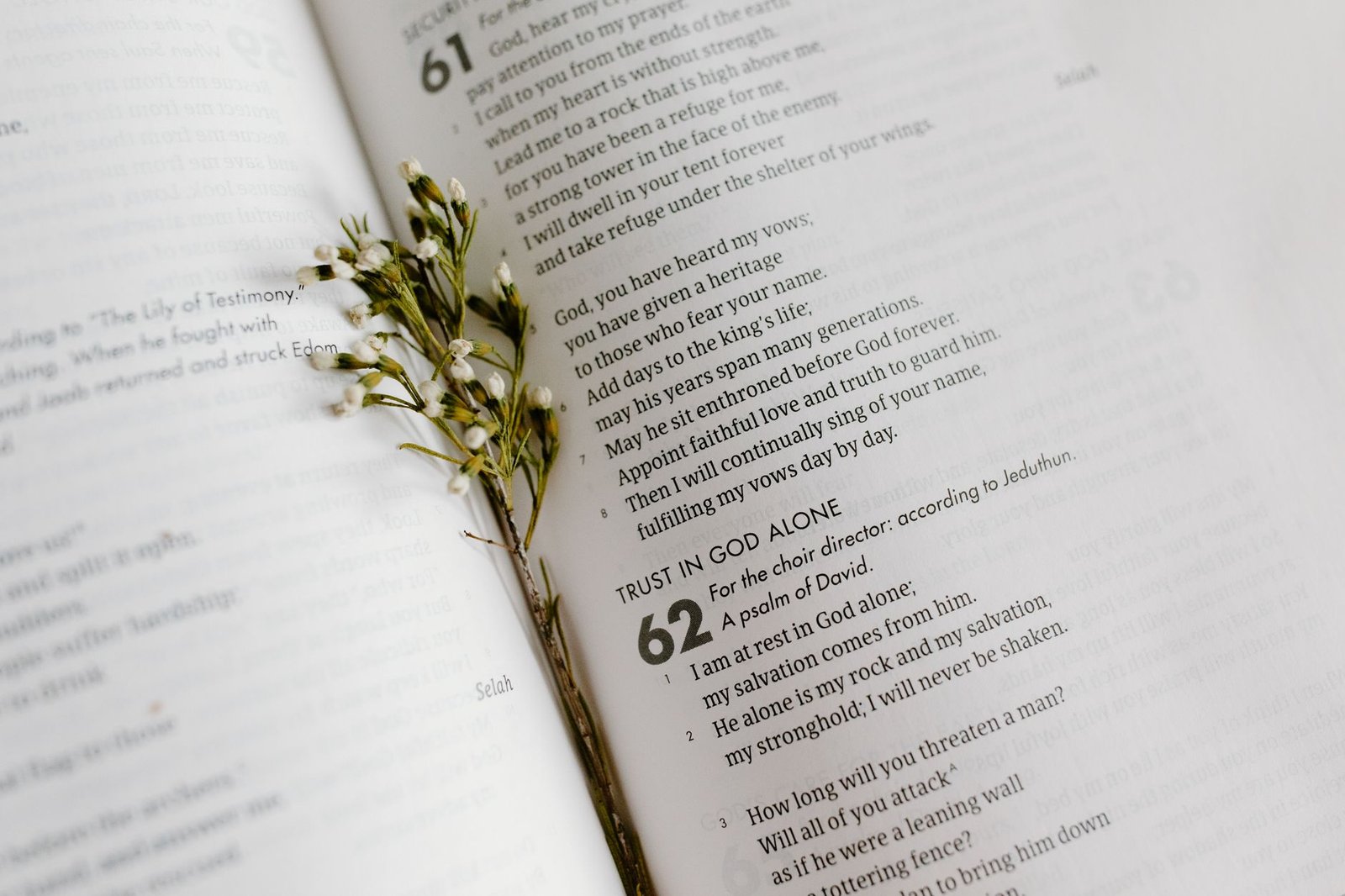
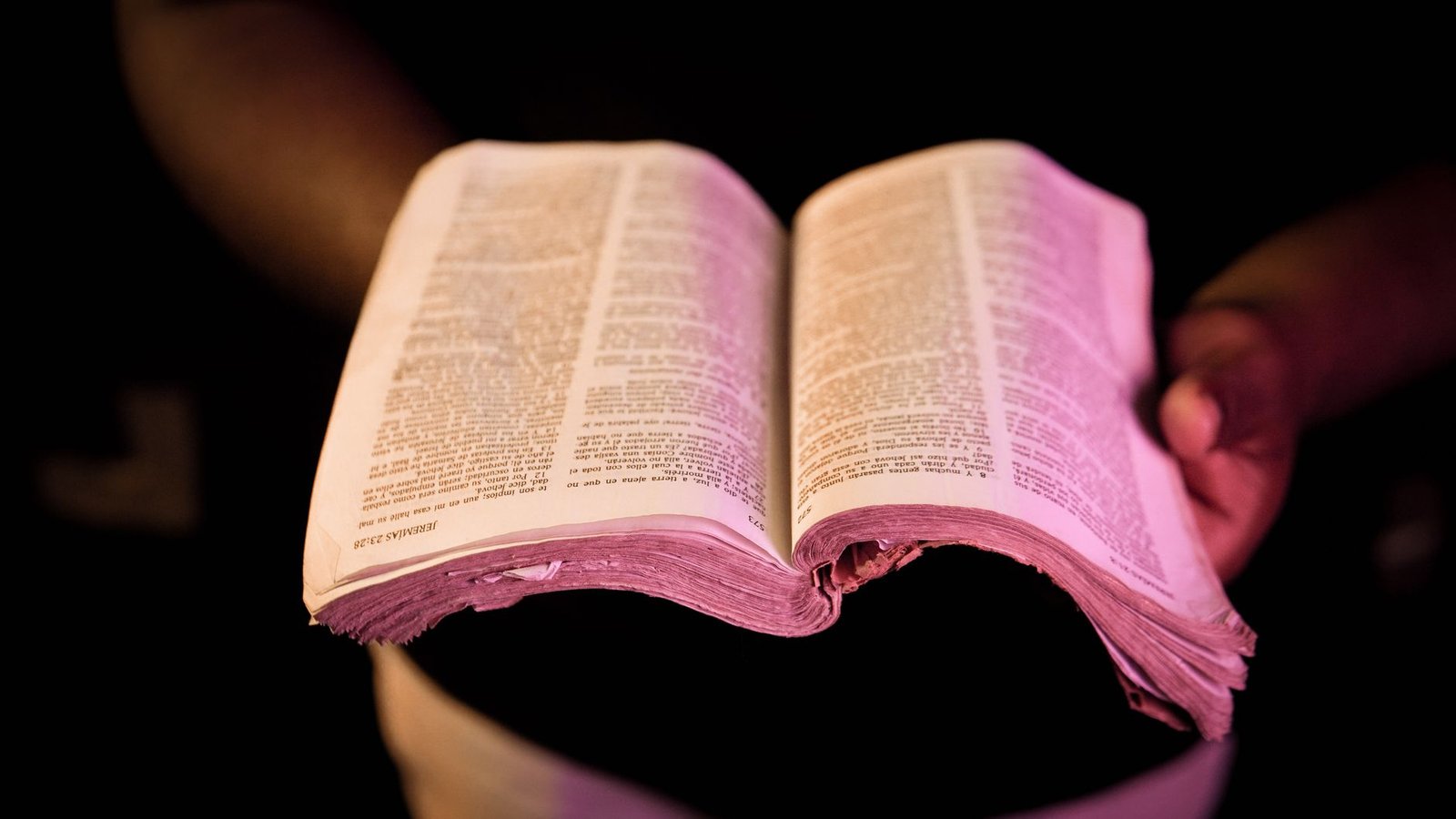
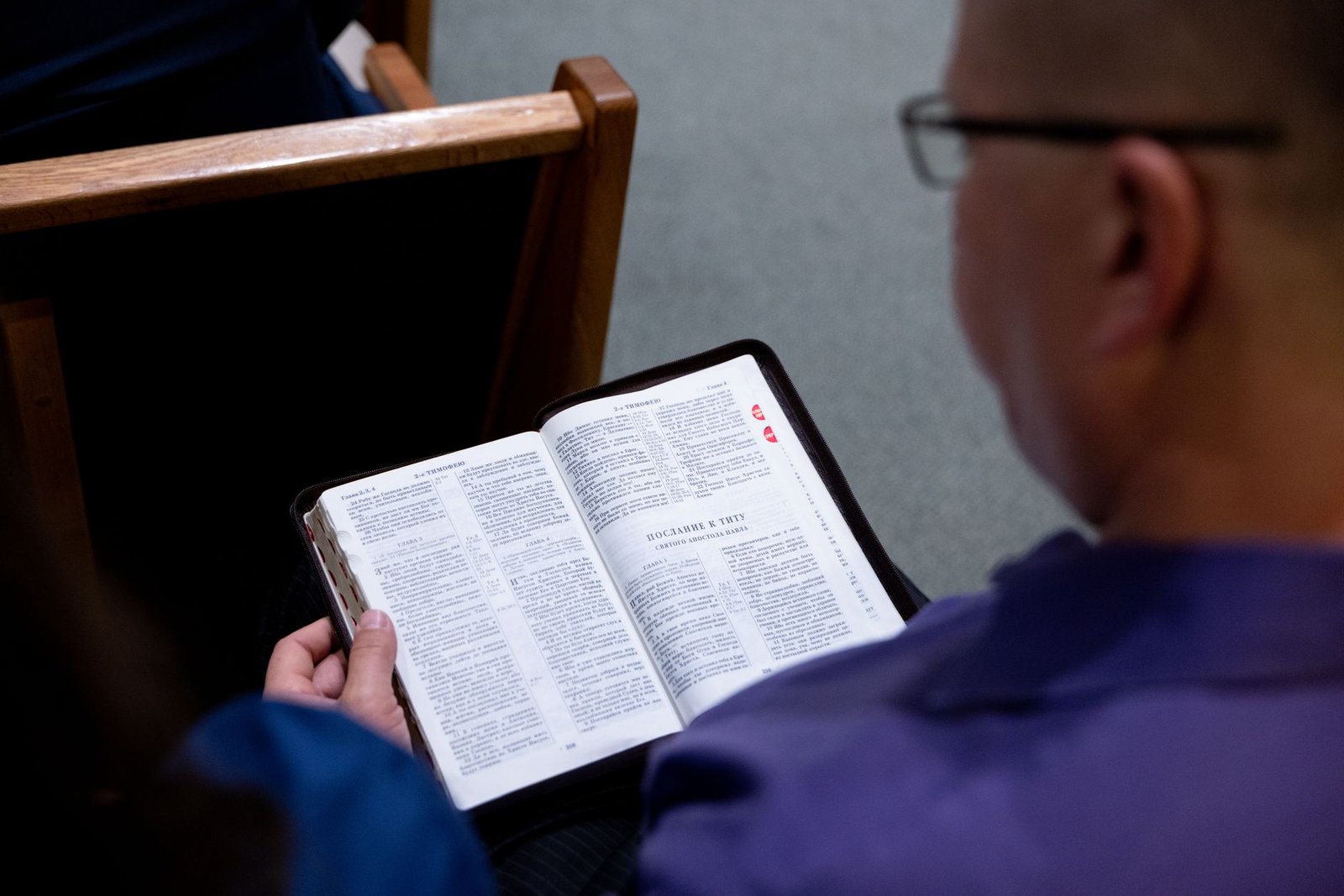
During this time, Scripture offers profound insights and comfort. Verses from the Bible can provide solace and guidance through the mourning process.
Encouragement from Psalms
- Psalm 34:18: “The Lord is close to the brokenhearted and saves those who are crushed in spirit.” This verse reminds us of God’s presence during our darkest hours.
Finding Strength in Faith
- Isaiah 41:10: “Do not fear, for I am with you; do not be dismayed, for I am your God. I will strengthen you and help you; I will uphold you with my righteous right hand.” These words can offer strength and assurance when we feel most vulnerable.
Real-Life Experiences and Lessons Learned
It’s in sharing stories that we can find common ground and understanding. Others’ experiences can affirm that we are not alone in our journey.
Connection Through Community
A support network can be invaluable. Engaging with others who have experienced similar losses can greatly aid the healing process.
- Support Groups: Consider joining a grief support group. The shared experiences and mutual understanding can foster healing.
- Counseling: Professional guidance can offer personalized strategies and moral support.
Personal Growth and Rediscovery
- Rediscovering Passions: Many bereaved individuals find healing in exploring or rediscovering hobbies and interests.
- Embracing New Roles: Facing life without your partner means assuming new roles, sometimes leading to newfound independence and self-discovery.
Finding Hope and Moving Forward
While the pain of loss may never fully disappear, finding a path to personal peace and fulfillment is possible.
Establishing New Traditions
- Honoring Memories: Create personal traditions to honor your spouse’s memory, be it through charitable activities in their name or dedicating time to family storytelling.
Building a Future
- Setting New Goals: Whether it’s traveling, pursuing further education, or cultivating new relationships, envisioning future possibilities can be empowering.
Conclusion: Embracing the Journey Ahead
The journey through grief is uniquely personal and fraught with challenges, but it’s also filled with opportunities for healing and hope. By leaning on faith, connecting with community, and allowing oneself the grace to mourn, it’s possible to move forward into a life filled with love and remembrance.
Remember, it’s okay to grieve in your own way and at your own pace. Your husband’s memory will forever be a part of you, a source of strength and love as you navigate the next chapters of your life.
Further Reading
PRAYER TO KNOW GOD
PRAYER FOR THE JOY OF COMPANIONSHIP
BIBLE VERSES ABOUT GODS PROTECTION
How the Bible Teaches Us to Pray Without Ceasing
BIBLE VERSES ABOUT STAYING STRONG IN RELATIONSHIPS
PRAYER FOR LONELINESS IN MY MARRIAGE
10 Inspiring Prayers for Joy