
Key Takeaways
- Miscarriages evoke deep emotional pain
- Prayer can provide comfort and healing
- Community support is vital during grief
- Healing is a unique journey for everyone
Experiencing a miscarriage is one of the most heartbreaking events a person may face. The emotional and physical toll can leave parents feeling lost, overwhelmed, and grieving. In times of sorrow, prayer can be a powerful source of solace, helping to heal both the heart and soul. This blog post explores the significance of prayer after a miscarriage and offers practical prayers, reflections, and ways to foster recovery through faith.
Understanding the Depth of Grief
The Emotional Landscape
Miscarriage often brings an array of emotions, including:
- Sadness: A profound sense of loss may envelop individuals or couples.
- Anger: Some may feel angry at the situation, their bodies, or even God.
- Guilt: Parents may question what they could have done differently.
- Isolation: Many feel alone in their grief, as miscarriage is often a silent struggle.
Understanding that these emotions are normal can lessen feelings of guilt and isolation. It’s okay to feel pain, and acknowledging it is the first step toward healing.

The Role of Prayer in Healing
Seeking Comfort Through Faith
Prayer provides a channel through which individuals can express their grief and connect with a higher power. The act of praying can bring about:
- Emotional release: Lifting prayers to God can help to express feelings that might be difficult to verbalize.
- Community support: Sharing prayer requests with friends and family fosters a sense of unity and support.
- Hope and renewal: Connecting with the divine can instill hope for the future and a sense of peace.
Creating a Personal Prayer Experience
Here are some ways to incorporate prayer into your healing journey after a miscarriage:
- Establish a routine: Set aside a specific time each day for prayer.
- Create a sacred space: Designate an area in your home where you can reflect and pray.
- Utilize scripture: Incorporate verses that resonate with your experience and bring comfort.
- Journaling prayers: Write down your prayers, thoughts, and feelings to track your healing journey.
Reflection Point
Take time to reflect on your emotions and allow yourself to grieve. Seeking God in prayer can bring peace and understanding.

Sample Prayers for Comfort and Healing
Here are a few prayers that can guide your thoughts and feelings during this challenging time:
Prayer for Peace
Dear God,
In this time of sorrow, I seek Your peace. Help me to feel Your presence within my heart as I mourn my loss. Please comfort my spirit and grant me the strength to heal. Amen.
Prayer for Healing
Heavenly Father,
I am struggling with the weight of my grief. Please take my hurt and turn it into healing. Help me to find comfort in Your embrace and the courage to move forward. Amen.
Prayer for Hope
Lord,
As I journey through this painful experience, remind me of the hope You offer. Help me to trust in Your plan even when it is hard to understand. May I find joy in the promise of new beginnings. Amen.
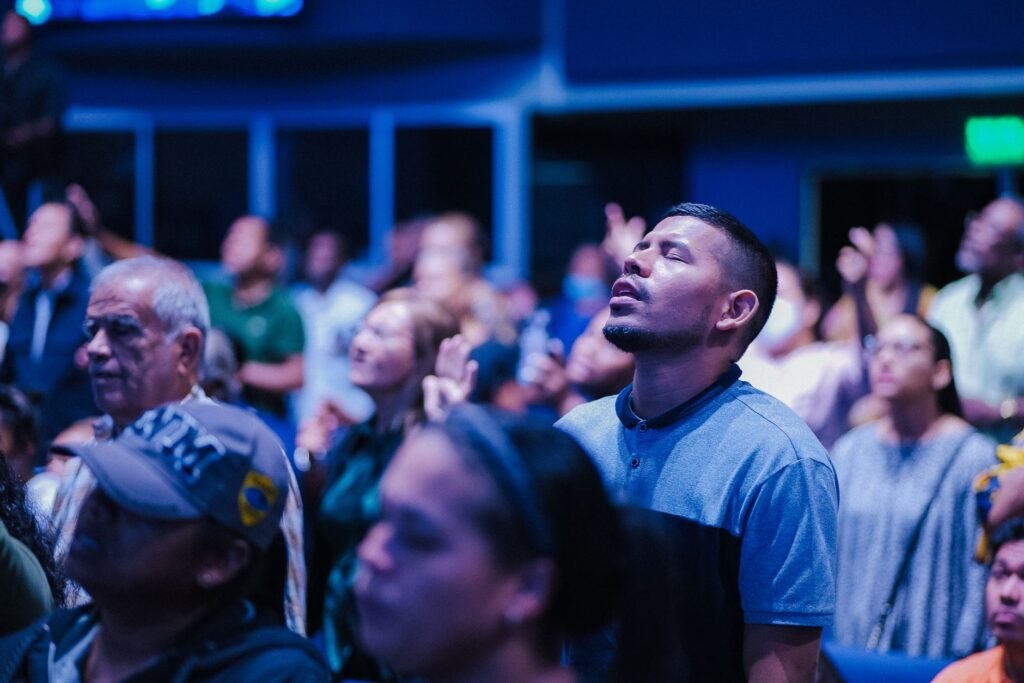
Finding Community and Support Through Prayer
Surrounding Yourself with Others
Seeking support from others who understand your pain can be invaluable. Consider the following avenues:
- Join a support group: Many communities and online forums offer groups for those who have experienced miscarriage.
- Involve family and friends: Share your feelings with loved ones who can pray with you and provide comfort.
- Attend faith-based services: Participating in church services or prayer groups offers both community and spiritual uplift.
Frequently Asked Questions
How can prayer help after a miscarriage?
Prayer can provide a safe space to express grief, seek comfort, and find hope in God's presence. It invites healing and emotional release.
What should I pray for after a miscarriage?
Pray for peace, healing, and strength to navigate your grief. Asking for comfort and understanding during this difficult time is also important.
Is it normal to feel angry after a miscarriage?
Yes, feelings of anger are a normal part of grief. It's essential to acknowledge these emotions and bring them to God in prayer.
How can I find support after a miscarriage?
Seek support from friends, family, or support groups. Engaging in prayer with others can create a sense of community and shared healing.
Conclusion: Embracing the Journey of Healing
The journey through grief following a miscarriage is not linear, and it can be incredibly challenging. Yet, prayer can serve as a guiding light in the darkness. By seeking solace through faith, embracing your emotions, and counting on the support of your community, healing becomes a possibility.
Whether you choose to meditate on comforting scriptures, express your feelings through prayer, or find companionship among those who also grieve, remember that you are not alone. Your journey is unique, but through prayer and faith, healing and hope can emerge from the pain of loss. Embrace the process, honor your feelings, and seek the peace that comes through prayer as you navigate this path toward healing and renewed hope.
Further Study