Key Takeaways
- Trusting God alleviates fear and anxiety.
- Faithfulness strengthens relationships and forgiveness.
- Resilience grows through recognizing God’s promises.
- Daily affirmations deepen our trust in God.
Introduction
In an ever-changing world, where uncertainty and fear often seep into our daily lives, the concept of trust becomes all the more vital. For many, placing trust in God’s faithfulness serves as a guiding light, a foundation upon which we can build our hope and resilience. Whether you’re navigating personal struggles, professional dilemmas, or the complex nature of relationships, understanding and embracing God’s unwavering faithfulness can offer profound comfort and strength. In this post, we’ll explore what it means to trust in God’s faithfulness, why it matters, and how we can cultivate this trust in our lives.
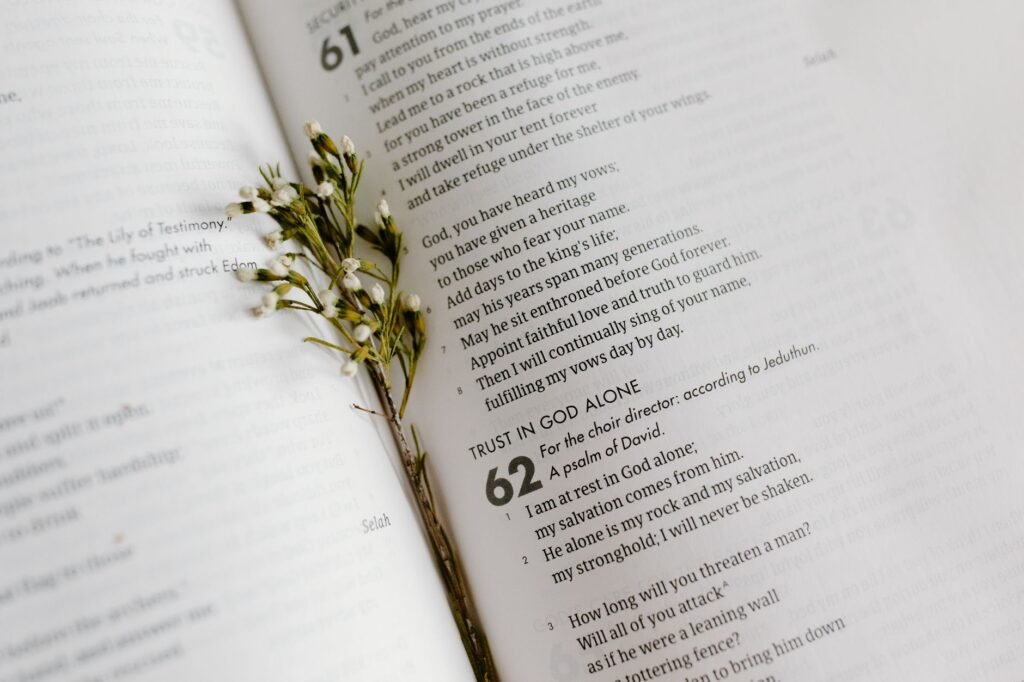
Understanding God’s Faithfulness
What Does It Mean to Be Faithful?
Faithfulness, at its core, implies loyalty, reliability, and consistency. When we talk about God’s faithfulness, we’re referring to His unwavering commitment to His promises and His constant presence in our lives, regardless of our circumstances. Here’s how the Bible describes God’s faithfulness:
- God Keeps His Promises: Scriptures such as Numbers 23:19 remind us that God is not a man, that He should lie; nor the son of man, that He should repent. Has He said, and will He not do it?
- God is Always Present: In Psalm 46:1 we see that God is our refuge and strength, always ready to help in times of trouble.
Biblical Examples of God’s Faithfulness
Throughout the Bible, we find numerous stories that illustrate God’s faithfulness:
- Abraham: Despite his old age and Sarah’s barrenness, God promised Abraham that he would be the father of many nations (Genesis 17:5). Despite the odds, God fulfilled this promise.
- Moses and the Israelites: After leading the Israelites out of Egypt, Moses witnessed God’s faithfulness firsthand as they wandered in the desert, receiving manna from heaven and water from a rock (Exodus 16-17).
- David: Even when David faced numerous challenges, including being pursued by King Saul, he continually experienced God’s protection and guidance.
These stories remind us that God’s faithfulness transcends time and circumstance, offering us a solid foundation for our own lives.
Reflection Point
Take a moment to reflect on a time when God’s faithfulness was evident in your life. Let this memory strengthen your trust today.

Why Trusting God’s Faithfulness Matters
1. Overcoming Fear and Anxiety
In times of trouble, it’s easy to let fear take hold. Trusting in God helps to alleviate those fears and anchors our hearts. Philippians 4:6-7 encourages us to be anxious for nothing but to present our requests to God, who will guard our hearts with His peace.
2. Strengthening Our Relationships
When we trust in God’s faithfulness, we can extend that same trust to others. Healthy relationships are built on a foundation of trust, and knowing that God is faithful allows us to:
- Cultivate sincere forgiveness.
- Promote open communication.
- Build deeper connections based on mutual respect and love.
3. Cultivating Resilience
Life’s challenges can feel overwhelming, but remembering God’s faithfulness strengthens our ability to persevere. When we trust that God is faithful, we can approach difficulties with the mindset of overcoming rather than being defeated.
4. Enhancing Our Spiritual Journey
Trusting in God’s faithfulness deepens our relationship with Him. It encourages prayer, reading scriptures, and engaging in community worship. This, in turn, fosters spiritual growth and a stronger sense of purpose.

Practical Ways to Trust God’s Faithfulness
1. Daily Affirmations
Begin your day with affirmations based on God’s promises. For example:
- “God is faithful to complete the good work He began in me.” (Philippians 1:6)
- “I trust that God will provide all my needs.” (Philippians 4:19)
2. Keep a Gratitude Journal
Write down the moments where you’ve witnessed God’s faithfulness in your life. Reflecting on past experiences can fortify your trust for future challenges.
3. Community Support
Surround yourself with a community that uplifts and encourages you. Sharing experiences and testimonies can provide additional encouragement and strength.
4. Prayer
Regular prayer is crucial. Specifically ask God to help you see His faithfulness in both the small and large aspects of your life.
Frequently Asked Questions
How can I trust God in difficult times?
Trusting God during trials involves prayer and meditation on His promises, such as Philippians 4:6-7, which assures us of His peace.
What does the Bible say about God's faithfulness?
The Bible emphasizes God's faithfulness in verses like 2 Timothy 2:13, reminding us that even when we are faithless, He remains faithful.
How do I see God's faithfulness in my life?
You can recognize God's faithfulness by reflecting on past experiences, keeping a gratitude journal, and being open to His presence in daily life.
Why is trusting God important for my relationships?
Trusting God allows us to extend the grace and forgiveness we receive from Him into our relationships, fostering deeper connections and mutual respect.
Conclusion
Trusting in God’s faithfulness is not merely a passive activity; it’s an active decision we make daily. By recognizing His promises, reflecting on His past works, and nurturing our relationship with Him, we can withstand life’s storms. In doing so, we cultivate a resilient spirit that inspires not only ourselves but also those around us.
As you navigate life’s uncertainties, remember the anchor of faithfulness God provides. Trust in His promises, lean on His unwavering support, and watch how it transforms your life, leading you into a place of peace and abundance. If you are struggling today, remember this powerful truth: God is faithful, and He has a perfect plan for your life.