
Introduction
Fear is one of the most common emotions experienced by every person. Whether it arises from uncertainty about the future, financial struggles, illness, personal loss, spiritual battles, or difficult life decisions, fear can deeply affect the heart and mind. Fear often makes people feel weak, confused, and alone. It can also cause worry, discouragement, and loss of peace. However, the Bible gives believers a powerful message of hope. Throughout Scripture, God repeatedly tells His people not to fear because He is with them, He strengthens them, and He remains in control.
In a world filled with anxiety and instability, understanding what the Bible says about fear is essential for every believer. God’s Word teaches that fear should not rule the heart of a child of God. This does not mean believers will never face frightening situations. Rather, it means that fear should not have the final authority over their thoughts, choices, and faith. The Bible reminds us that peace and courage come when we place our trust fully in the Lord.
God’s Word gives reassurance that He is present, powerful, loving, and faithful. His presence gives comfort. His power gives strength. His love removes torment. His promises give courage. Therefore, believers overcome fear not by depending only on their own strength, but by trusting in the One who holds all things together.
Let us explore key verses about fear in the Bible and discover the peace that comes from trusting God in every circumstance.
God’s Presence Removes Fear
One of the strongest comforts in Scripture is the promise that God is always with His people. Fear becomes stronger when a person feels abandoned, helpless, or unsupported. However, the presence of God changes everything. When believers know that God is near, they can face difficult moments with confidence.
Isaiah 41:10 says:
“Fear thou not; for I am with thee: be not dismayed; for I am thy God: I will strengthen thee; yea, I will help thee; yea, I will uphold thee with the right hand of my righteousness.”
This verse is one of the most powerful Bible verses about fear because it gives several reasons why believers should not be afraid. First, God says, “I am with thee.” This means that His people are never truly alone. Even when human support is absent, God remains present. His presence is not distant or uncertain. It is personal and dependable.
Second, God says, “I am thy God.” This shows relationship and ownership. The believer belongs to God, and God takes responsibility for those who trust in Him. Fear often grows when people forget who God is. However, when they remember that the Lord is their God, their hearts can find rest.
Third, God promises strength and help. He does not merely command His people not to fear. He also provides what they need to stand firm. When believers feel weak, God strengthens them. When they feel overwhelmed, God helps them. When they feel like falling, God upholds them.
This verse teaches that courage is not the absence of trouble. Courage comes from knowing that God is present in the trouble. The believer can face fear because God’s hand is stronger than every difficulty.
God Gives Courage in Difficult Times
Fear often appears when people face situations that seem too big for them. This may include sickness, financial pressure, family problems, rejection, failure, or uncertainty about the future. In such moments, the Bible encourages believers to be strong because God goes before them.
Deuteronomy 31:6 says:
“Be strong and of a good courage, fear not, nor be afraid of them: for the LORD thy God, he it is that doth go with thee; he will not fail thee, nor forsake thee.”
This verse was spoken during a time of transition and uncertainty. The people of Israel needed courage as they prepared to enter the promised land. The command to be strong was not based on their military ability or human wisdom. It was based on the faithfulness of God.
The phrase “he will not fail thee, nor forsake thee” is deeply comforting. People may fail, systems may fail, and personal strength may fail, but God does not fail His people. He does not abandon them when the road becomes hard. He remains faithful in every season.
This verse teaches that believers can face difficult times with courage because God’s faithfulness is greater than their fear. The future may not always be clear, but God’s presence is certain.
God’s Love Casts Out Fear
Fear is not only an emotional problem. Sometimes, it is also a spiritual struggle. Fear can torment the heart and make a person expect the worst. It can make people feel condemned, rejected, or unsafe. However, the Bible teaches that God’s perfect love is the answer to tormenting fear.
1 John 4:18 says:
“There is no fear in love; but perfect love casteth out fear: because fear hath torment.”
This verse shows that fear brings torment. It troubles the mind and prevents peace. However, perfect love casts out fear. This perfect love is not human love, which can be limited or inconsistent. It is the love of God, which is complete, faithful, and secure.
When believers understand God’s love, fear begins to lose its power. They no longer live as people who are rejected or forgotten. They live as children of God who are deeply loved by their Father. This love gives confidence before God and peace in daily life.
God’s love does not mean that believers will never face trials. Rather, it means they can face trials knowing they are loved, protected, and held by God. Fear says, “You are alone.” God’s love says, “You are mine.”
Trusting God Brings Peace
Fear often grows when the heart focuses too much on problems and too little on God. The mind becomes filled with questions such as, “What will happen?” “How will I survive?” “What if things get worse?” These questions can produce anxiety. However, Scripture teaches that trust in God brings peace.
Psalm 56:3 says:
“What time I am afraid, I will trust in thee.”
This verse is honest and practical. It does not pretend that fear will never come. Instead, it shows what believers should do when fear appears. The psalmist says, “When I am afraid, I will trust in thee.” This means fear is not the end of faith. A believer can feel fear and still choose trust.
Trusting God means depending on His character, His promises, and His power. It means believing that He is still good even when life is difficult. It also means surrendering the outcome to Him rather than allowing fear to control the heart.
This verse is important because it teaches that faith is a decision. Fear may come suddenly, but trust must be chosen intentionally. Each time fear rises, the believer can respond by turning back to God.
God Is Our Refuge in Fearful Moments
Life can sometimes feel unstable. Trouble may come suddenly, and circumstances may change without warning. In such moments, people look for safety. The Bible teaches that true safety is found in God.
Psalm 46:1-2 says:
“God is our refuge and strength, a very present help in trouble. Therefore will not we fear.”
A refuge is a place of protection. It is where a person runs during danger. This verse describes God as both refuge and strength. He protects His people, and He also gives them the strength to endure.
The phrase “a very present help in trouble” shows that God is not absent during crisis. He is present. He is near. He is active. Trouble may be real, but God’s help is also real.
This verse teaches that believers do not overcome fear by denying the existence of trouble. They overcome fear by remembering that God is greater than the trouble. When God is the refuge of the believer, fear no longer has the final word.
Jesus Gives Peace, Not Fear
In the New Testament, Jesus speaks directly to the troubled hearts of His disciples. He knew they would face trials, persecution, uncertainty, and sorrow. Yet He offered them a peace that the world cannot give.
John 14:27 says:
“Peace I leave with you, my peace I give unto you: not as the world giveth, give I unto you. Let not your heart be troubled, neither let it be afraid.”
This verse reveals that the peace of Christ is different from worldly peace. The world often defines peace as the absence of problems. However, Jesus gives peace even in the presence of problems. His peace is deeper than circumstances because it comes from His presence and authority.
Jesus also says, “Let not your heart be troubled.” This means believers must guard their hearts. They should not allow fear to dominate their inner life. Through faith, prayer, and trust in Christ, the heart can remain steady even when the world feels unstable.
The peace Jesus gives is not temporary comfort. It is spiritual assurance. It reminds believers that Christ is with them, He has overcome the world, and He is able to keep them through every trial.
God Has Not Given Us the Spirit of Fear
Fear can sometimes prevent people from obeying God. It can stop them from using their gifts, speaking the truth, making wise decisions, or stepping into purpose. However, Scripture teaches that fear does not come from God.
2 Timothy 1:7 says:
“For God hath not given us the spirit of fear; but of power, and of love, and of a sound mind.”
This verse is very important for believers who struggle with intimidation, anxiety, or insecurity. It clearly states that the spirit of fear is not from God. God gives power, love, and a sound mind.
Power means the strength to do what God has called us to do. Love means the right motive and attitude toward God and others. A sound mind means self-control, wisdom, and stability in thought. These gifts help believers resist fear and live with confidence.
This verse does not mean believers should act carelessly or ignore danger. Rather, it means they should not be controlled by fear. A sound mind allows the believer to think clearly, pray wisely, and act faithfully.
Fear of Man Should Not Control Us
One major form of fear is the fear of people. Many people are afraid of rejection, criticism, judgment, or opposition. This fear can make a person compromise truth or avoid obedience to God. The Bible warns against allowing the fear of man to control our lives.
Proverbs 29:25 says:
“The fear of man bringeth a snare: but whoso putteth his trust in the LORD shall be safe.”
A snare is a trap. This means the fear of man can trap a person emotionally, spiritually, and morally. It can make people live for approval instead of truth. It can also make them more concerned about human opinion than God’s will.
However, the verse gives the solution: trust in the Lord. When believers trust God, they are safe. They no longer need to be ruled by the opinions of others. Their identity and confidence come from God, not from human approval.
This verse teaches that freedom from fear begins when God becomes greater in our hearts than the opinions of people.
God Protects Those Who Trust in Him
Fear often comes from the desire for safety. People want to know that they are protected from harm. While life is not free from danger, the Bible assures believers that God watches over His people.
Psalm 34:4 says:
“I sought the LORD, and he heard me, and delivered me from all my fears.”
This verse shows the power of seeking God in prayer. The psalmist did not keep fear hidden inside. He brought it before the Lord. As a result, God heard him and delivered him from all his fears.
This does not always mean that God removes every difficult situation immediately. Sometimes, He delivers by changing the situation. At other times, He delivers by strengthening the heart, giving peace, and removing the control fear has over the mind.
The important lesson is that fear should lead believers to seek God, not run away from Him. Prayer is one of the strongest responses to fear. When believers seek the Lord, they find help, comfort, direction, and peace.
Do Not Fear Bad News
Many people live in fear of receiving bad news. They worry about health reports, financial problems, family issues, or unexpected losses. However, the Bible describes the righteous person as someone whose heart remains steady because of trust in God.
Psalm 112:7 says:
“He shall not be afraid of evil tidings: his heart is fixed, trusting in the LORD.”
This verse does not say that bad news will never come. Instead, it says that the person who trusts in the Lord does not have to be controlled by fear of bad news. The heart is “fixed,” which means it is firm, stable, and established.
A heart fixed on God is not easily shaken. This kind of stability comes from deep trust in the Lord. When believers know that God is sovereign, they can face even painful news with faith.
This verse teaches that spiritual stability is possible. The believer does not have to live in constant panic about what may happen. Trust in God gives firmness to the heart.
God Walks With Us Through Dark Valleys
Fear often becomes strongest during seasons of suffering, grief, or uncertainty. These seasons may feel like dark valleys. However, Scripture gives a comforting picture of God as the Shepherd who walks with His people.
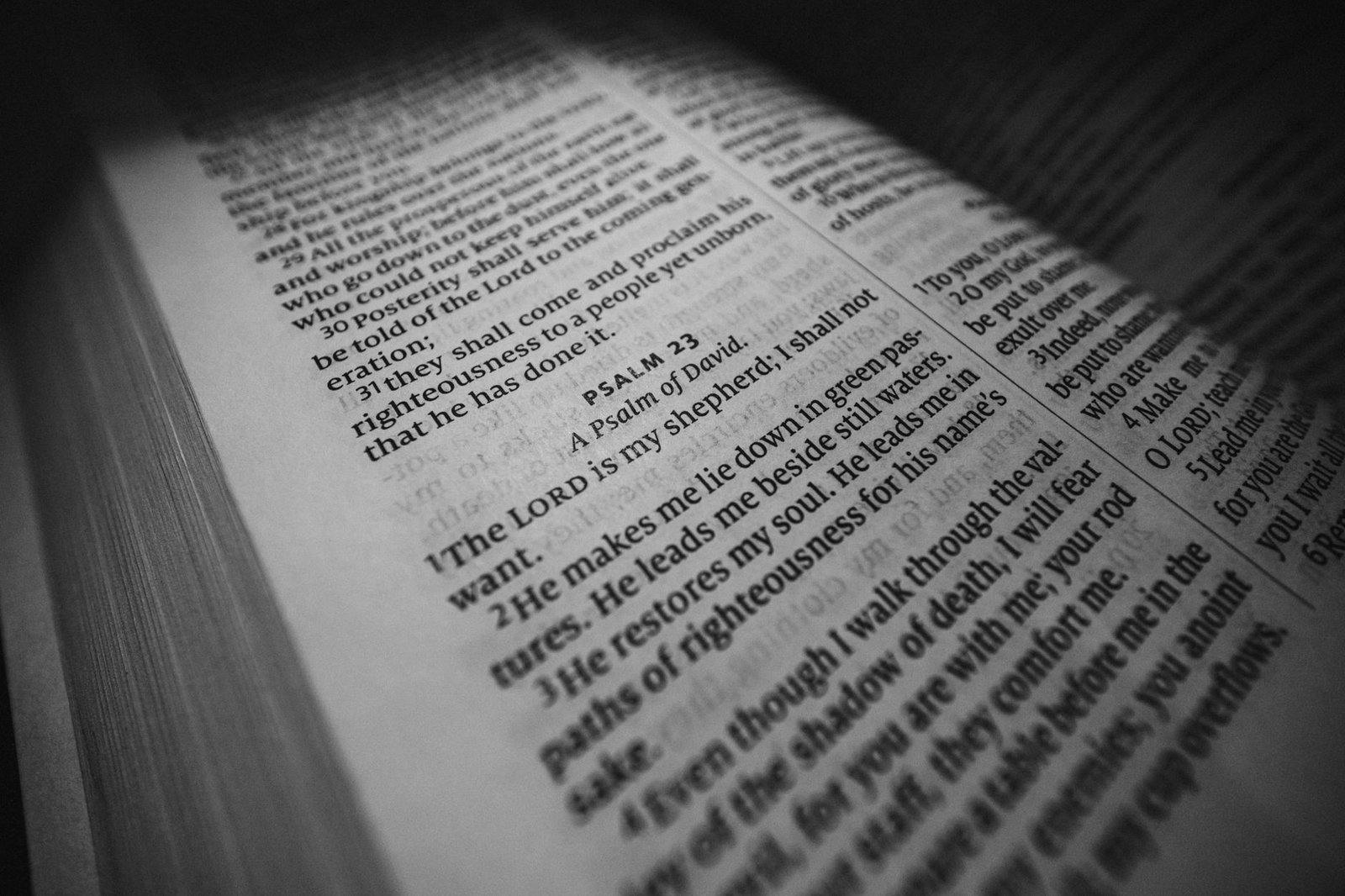
Psalm 23:4 says:
“Yea, though I walk through the valley of the shadow of death, I will fear no evil: for thou art with me.”
This verse is deeply comforting because it does not deny the reality of dark valleys. The believer may walk through painful and frightening experiences. However, the reason for courage is clear: “for thou art with me.”
The presence of the Shepherd removes the power of fear. The valley may be dark, but the believer is not alone. God guides, protects, and comforts His people even in the most difficult seasons.
This verse also teaches that valleys are passages, not permanent places. The believer walks through them with God’s help. Fear may be present, but it does not have to rule.
Faith Overcomes Fear
Fear and faith often compete for space in the heart. Fear focuses on what may go wrong. Faith focuses on who God is. Fear magnifies the problem. Faith magnifies the power and faithfulness of God.
Mark 5:36 says:
“Be not afraid, only believe.”
Jesus spoke these words to Jairus when he received devastating news about his daughter. Humanly speaking, the situation seemed hopeless. Yet Jesus called him away from fear and into faith.
This verse is short but powerful. It shows that faith is the proper response when fear tries to take control. Believing God does not mean ignoring reality. It means recognizing that God is greater than reality as we see it.
When believers choose faith over fear, they make room for God’s power, wisdom, and peace to work in their lives.
Prayer Helps Us Overcome Fear and Anxiety
Fear often becomes stronger when people carry their burdens alone. The Bible teaches believers to bring their worries to God through prayer.
Philippians 4:6-7 says:
“Be careful for nothing; but in every thing by prayer and supplication with thanksgiving let your requests be made known unto God.”
This passage teaches that prayer is the believer’s response to anxiety. Instead of being consumed by worry, believers are invited to bring everything to God. Nothing is too small or too heavy to present before Him.
Prayer helps the heart shift from fear to trust. Thanksgiving also plays an important role because it reminds believers of what God has already done. When people remember God’s past faithfulness, they gain courage for present challenges.
The following verse promises the peace of God, which guards the heart and mind through Christ Jesus. This means prayer does not only change circumstances. It also protects the inner life of the believer.
The Lord Is Our Light and Salvation
Fear often grows in darkness, confusion, and uncertainty. However, the Bible describes the Lord as light and salvation.
Psalm 27:1 says:
“The LORD is my light and my salvation; whom shall I fear? the LORD is the strength of my life; of whom shall I be afraid?”
This verse presents a bold declaration of confidence. David does not say this because he has no enemies or problems. He says it because he knows who the Lord is.
The Lord is light, meaning He gives guidance, truth, and clarity. He is salvation, meaning He rescues and delivers. He is strength, meaning He sustains the believer when human strength is not enough.
When God is the strength of a person’s life, fear loses its authority. This verse encourages believers to look at fear in the light of God’s greatness.
God Helps Us Face the Unknown
The unknown is one of the greatest sources of fear. People often fear what they cannot predict or control. However, Scripture teaches that God goes before His people.
Joshua 1:9 says:
“Have not I commanded thee? Be strong and of a good courage; be not afraid, neither be thou dismayed: for the LORD thy God is with thee whithersoever thou goest.”
This verse was spoken to Joshua as he prepared to lead Israel after Moses. Joshua had a great responsibility before him. The task was large, and the future was uncertain. Yet God commanded him to be strong and courageous.
The reason for courage was not Joshua’s ability alone. It was God’s presence. The Lord promised to be with him wherever he went.
This verse encourages believers who are entering new seasons of life. Whether it is a new job, ministry, relationship, responsibility, or challenge, God’s presence gives courage for the unknown.
Conclusion
Fear is a real human experience, but it does not have to control the life of a believer. The Bible repeatedly reminds God’s people not to fear because God is with them. His presence gives comfort, His promises give hope, His power gives strength, and His love brings peace.
Verses such as Isaiah 41:10, Psalm 56:3, 2 Timothy 1:7, John 14:27, and Psalm 23:4 show that God has provided everything needed to overcome fear. The believer is not called to face fear alone. God walks with His people, strengthens them, upholds them, and gives them peace that the world cannot provide.
When fear rises, the right response is to turn to God in faith, prayer, and trust. His Word is a firm foundation for troubled hearts. No matter the situation, believers can rest in this truth: God is present, God is faithful, and God is greater than every fear.
Further Reading
PRAYER TO KNOW GOD
PRAYER FOR THE JOY OF COMPANIONSHIP
BIBLE VERSES ABOUT GODS PROTECTION
How the Bible Teaches Us to Pray Without Ceasing
BIBLE VERSES ABOUT STAYING STRONG IN RELATIONSHIPS
PRAYER FOR LONELINESS IN MY MARRIAGE
10 Inspiring Prayers for Joy