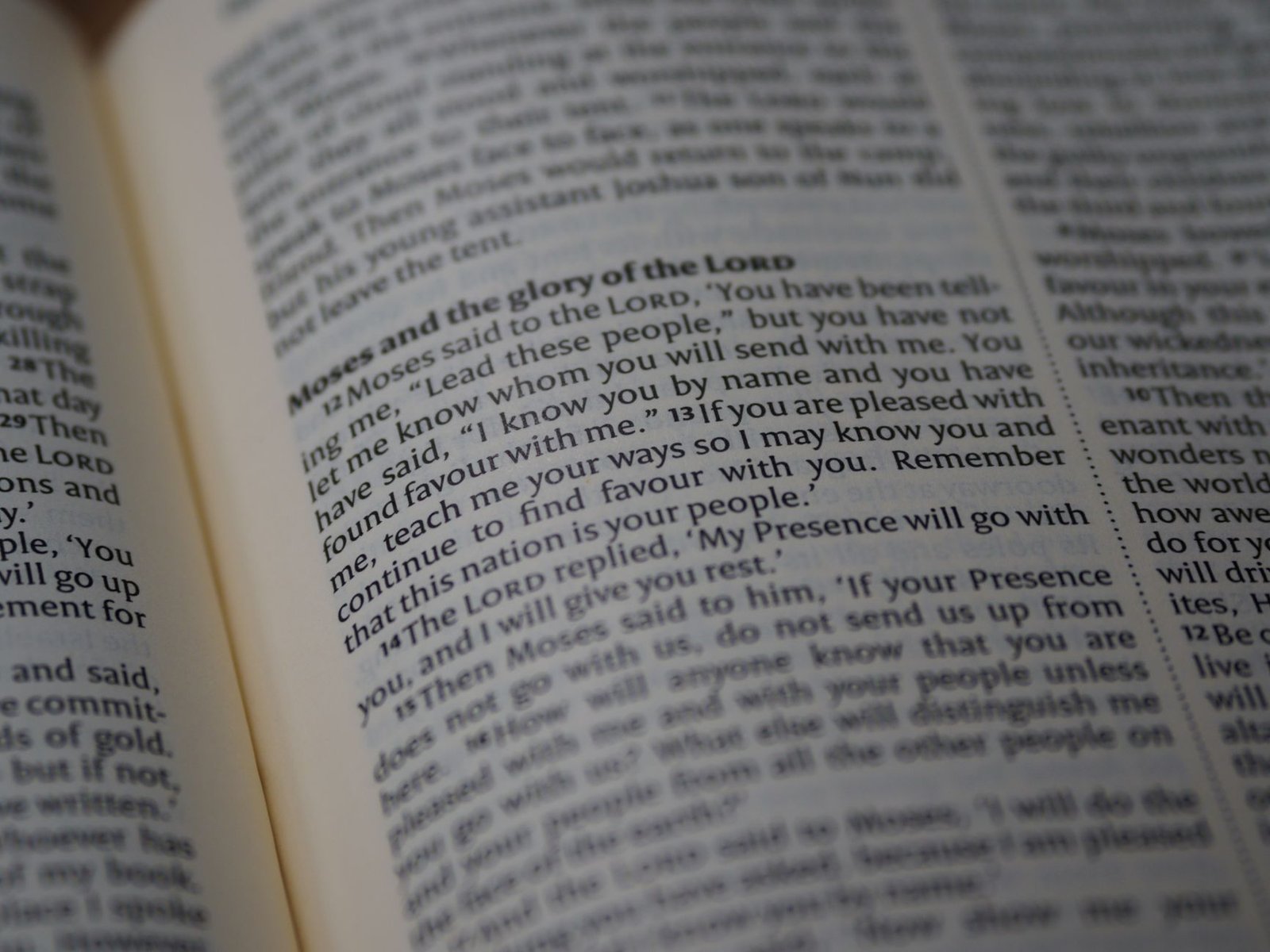
The Call of Moses: A Reluctant Leader
Moses’ story begins uniquely; born into a time when Hebrew boys faced death, his mother hid him in a basket among the reeds of the Nile. This act of faith set the stage for a life that would change the course of history. Raised in Pharaoh’s household, Moses lived in luxury but was deeply aware of the plight of his people. His first act of defiance, killing an Egyptian who was beating a Hebrew, resulted in his exile.
It was during this time in Midian that Moses encountered God in a burning bush. This moment was pivotal; when God called him to lead the Israelites out of Egypt, Moses hesitated, expressing doubt about his abilities. Nonetheless, God reassured him, showing that His power would work through Moses, not because of his capabilities but in spite of his limitations.
The reluctance of Moses resonates with many of us who feel unqualified for the tasks God places before us. His story reminds us that God often chooses the unlikely and equips them for His purpose.

Moses and the Exodus: Deliverance through Obedience
Moses’ leadership is most vividly illustrated during the Exodus, where he served as the instrument of God’s deliverance. This journey from slavery to freedom is not merely a historical account, but a rich theological narrative. Moses confronted Pharaoh, demanding, “Let my people go.” Each refusal resulted in plagues that demonstrated God’s power over Egypt’s gods.
The Passover, instituted just before the final plague, marked a significant moment in Israel’s history. The Israelites were instructed to mark their doorposts with the blood of a lamb, a foreshadowing of Christ’s ultimate sacrifice. This act of obedience was crucial for their deliverance. The Exodus serves as a powerful symbol of God’s redemptive plan, illustrating how obedience to God leads to liberation.
Moses’ role as a leader during this time was not only to guide but also to intercede for the people. When the Israelites faltered, Moses fell to his knees, pleading with God for mercy. His deep connection with God shows the importance of prayer and intercession in leadership.
Reflection Point
Reflect on how Moses' faith and obedience can inspire your own walk with God today.
The Covenant at Sinai: Establishing Identity
Upon reaching Mount Sinai, Moses ascended to receive the Ten Commandments, a defining moment for the Israelites. This covenant was not just a set of rules; it was a framework for a relationship with God. The commandments established moral and ethical guidelines that would shape the community of Israel and set them apart from other nations.
Through Moses, God communicated His desires for how His people should live. The commandments addressed not only the relationship between God and humanity but also the relationships among individuals. This duality reflects the heart of God: a desire for holiness and community.
Moses’ role as mediator emphasizes the need for a representative to convey God’s messages. This foreshadows the ultimate mediator, Jesus Christ, who would come to fulfill the law and offer redemption to all. Moses’ interaction with God at Sinai also illustrates the seriousness of God’s holiness and the need for reverence in worship.

The Challenges of Leadership: Faith Amidst Trials
Moses faced numerous challenges during the wilderness wanderings. The Israelites, despite witnessing miraculous signs, often grumbled and rebelled. They longed for the comfort of Egypt, forgetting the pain of their slavery. Moses experienced the weight of leadership, often feeling alone in his calling.
One notable incident occurred when the people demanded water, and they turned against Moses, questioning his leadership. In his frustration, Moses struck a rock to bring forth water rather than speaking to it as God commanded. While God provided for the people, Moses faced consequences for his actions, illustrating that even leaders are not above accountability.
This aspect of Moses’ story reveals that faith is not the absence of doubt or struggle but a commitment to trust in God amidst adversity. His journey reminds us that leadership often involves navigating difficult relationships and maintaining faith when the road is tough.
Moses’ Legacy: A Model for Future Generations
Moses’ influence extends beyond his lifetime. His writings, particularly the Pentateuch, lay the foundation for Jewish and Christian thought. His laws and teachings have shaped moral and ethical values for centuries. The story of Moses serves as a reminder of the importance of remembering our history, as it shapes our identity and purpose.
Moreover, Moses’ humility and dependence on God serve as a model for future leaders. He did not seek glory for himself but continually pointed the people back to God. His life exemplifies the notion that true leadership is rooted in servanthood and obedience.
The prophetic tradition in Israel often refers back to Moses, emphasizing his role as a foundational figure. Jesus Himself referred to Moses, indicating the continuity of God’s plan through the ages. Moses’ story encourages us to consider our legacy and the impact of our faith on future generations.
The Spiritual Significance of Moses
Moses represents a bridge between God and His people. His intimate relationship with God, characterized by direct communication, highlights the desire God has for a personal relationship with each of us. Moses’ experiences reflect the spiritual journey of seeking God, grappling with doubt, and ultimately finding strength in faith.
Through Moses, we see the concept of intercession vividly illustrated. His continual plea for the Israelites reminds us of the importance of prayer and advocacy for others. This principle is echoed in the New Testament, where believers are called to bear one another’s burdens.
Moses also foreshadows Christ in various ways. His role as a deliverer prefigures Jesus, who would come to deliver humanity from sin. The Passover lamb in Exodus points to Christ, the Lamb of God. Understanding the significance of Moses invites us to deepen our appreciation for the entirety of Scripture and the unfolding story of redemption.
Lessons from Moses for Today’s Believers
The life of Moses is rich with lessons applicable to our lives today. First, Moses teaches us to respond to God’s call with faith. Our hesitations and insecurities need not deter us; God equips those He calls. Second, the importance of obedience is paramount. Even in the face of doubt or fear, following God’s commands leads to blessings and fulfillment of His promises.
Third, Moses exemplifies the power of intercessory prayer. He consistently sought God’s mercy for the Israelites, encouraging us to intercede for others. Lastly, Moses reminds us that our faith journey is filled with challenges, but God remains faithful. Just as He guided Moses, He guides us through our trials, shaping us into the people He desires us to be.
Conclusion: Embracing Our Moses Moments
Moses matters in the Bible not only for the historical accounts of his life but for the spiritual truths that resonate through the ages. His journey of faith, leadership, and covenant relationship with God offers a blueprint for us. As we embrace our own “Moses moments”—those times when we feel unqualified, face challenges, or seek to lead others—let us remember the lessons from his life.
Moses teaches us that God is always present, guiding us, equipping us, and calling us into a deeper relationship with Him. May we find inspiration in Moses’ story to trust God, pursue our calling, and lead others with humility and faithfulness.
The Divine Encounters: Moses and the Burning Bush
Moses’ calling began with a dramatic encounter at the burning bush, where God revealed His plan for the deliverance of Israel. This moment was not only pivotal for Moses but for the entire nation of Israel. God introduced Himself as “I AM WHO I AM,” emphasizing His eternal presence and sovereignty. This profound revelation reassured Moses of God’s power and commitment to His people.
Key Takeaways
- Moses leads Israel out of Egypt
- He represents God's covenant with His people
- Moses' faith impacts generations
- His story teaches about obedience to God
“I AM WHO I AM.” – Exodus 3:14
This encounter highlights the importance of recognizing God’s holiness and authority. Moses’ initial reluctance reflects a common human response to divine calling; however, God’s assurance and provision equipped Moses to fulfill his mission. The burning bush symbolizes God’s active involvement in human history, reminding us that He initiates relationship and purpose in our lives.
Moses’ Leadership in Worship and Community
Moses played a crucial role in establishing worship practices for the Israelites. Following their deliverance from Egypt, he instituted the Passover, a celebration that commemorates God’s faithfulness and provision. This act of worship allowed the Israelites to remember their identity as God’s chosen people, reinforcing their collective memory of liberation.
“This day shall be for you a memorial day, and you shall keep it as a feast to the Lord.” – Exodus 12:14
Moreover, Moses served as a mediator for the people during worship and community gatherings, guiding them in their relationship with God. His instructions for the tabernacle and the sacrificial system established a framework for worship that emphasized holiness, reverence, and community accountability. These practices underscored the importance of maintaining a communal identity centered on God, a principle that remains vital for believers today.
The Importance of Succession: Moses and Joshua
A significant aspect of Moses’ leadership was his preparation of Joshua to succeed him. As Moses approached the end of his journey, he recognized the necessity of equipping the next generation to continue the mission of leading the Israelites into the Promised Land. This transition highlights the importance of mentorship and succession in leadership roles.
“Be strong and courageous, for you shall cause this people to inherit the land that I swore to their fathers to give them.” – Joshua 1:6
Moses’ encouragement to Joshua emphasizes the need for courage and reliance on God, traits essential for leadership. This relationship signifies that spiritual leadership is not merely about individual achievement but about fostering the next generation. By investing in Joshua, Moses ensured that God’s promises would continue to unfold through faithful leadership, reminding us of the responsibility we have to mentor and raise up those who will follow in our footsteps.
The Role of Moses in the Covenant Community
Moses stands as a pivotal figure in establishing the covenant between God and the Israelites. This covenant was not only a legal agreement but a deep relational commitment that defined the identity of the Israelites as God’s chosen people. Through Moses, God communicated His laws, including the Ten Commandments, which served as foundational moral principles for the community.
“You shall have no other gods before me.” – Exodus 20:3
The giving of the Law at Sinai marked a transformative moment in Israel’s history, setting them apart from surrounding nations. Moses acted as the mediator who conveyed God’s expectations, illustrating the seriousness of obedience and the consequences of disobedience. His role in this covenant highlights the importance of living in accordance with God’s will, a lesson that remains relevant as believers today seek to understand their relationship with God through Christ.
Moses: A Model of Perseverance in Adversity
Moses’ journey is also a testament to perseverance in the face of adversity. From his initial reluctance to lead, through the plagues of Egypt, to the challenges faced in the wilderness, Moses encountered numerous obstacles that tested his faith and resolve. Each trial revealed not only his human limitations but also God’s faithfulness and provision.
“But Moses said to the Lord, ‘O my Lord, I am not eloquent, either in the past or since you have spoken to your servant, but I am slow of speech and of tongue.'” – Exodus 4:10
This honest admission of his shortcomings resonates with many of us who may feel inadequate in our calling. Yet, instead of allowing fear to dictate his actions, Moses pressed on, demonstrating that perseverance is rooted in reliance on God. His story encourages believers to endure hardships with faith, trusting that God’s strength is made perfect in our weakness.
Moses as a Forerunner of Prophetic Leadership
Moses is often recognized as a prototype of prophetic leadership in Israel. His role extended beyond that of a mere lawgiver; he was a prophet who spoke on behalf of God and conveyed His messages to the people. This prophetic function is crucial for understanding how God communicates His will through chosen leaders.
“The Lord your God will raise up for you a prophet like me from among you, from your brothers—it is to him you shall listen.” – Deuteronomy 18:15
This promise of a coming prophet underscores the continuity of God’s plan and foreshadows the ultimate Prophet, Jesus Christ. Moses’ life exemplifies the urgency of prophetic voices in society, reminding us that God’s truth must be declared, often against the cultural currents. As today’s believers, we are called to be bold in our faith, echoing the prophetic call to justice, mercy, and truth that Moses exemplified throughout his journey.
Frequently Asked Questions
What are the key events in Moses' life?
Some key events include his birth and rescue from the Nile, the burning bush encounter, the Exodus from Egypt, and receiving the Ten Commandments. Each of these moments illustrates his unique relationship with God and his pivotal role in Israel's history.
How did Moses demonstrate leadership?
Moses showed leadership by guiding the Israelites out of slavery in Egypt, advocating for them before God, and leading them in establishing a covenant with God at Sinai. His ability to listen to God and his people was crucial in shaping the nation of Israel.
What does Moses' story teach us today?
Moses' story teaches us about faith, perseverance, and the importance of obedience to God's call. His experiences encourage believers to trust God even in difficult circumstances and to seek His guidance in decision-making.
Why is Moses considered a prophet?
Moses is considered a prophet because he communicated directly with God and conveyed God's messages to the people of Israel. His role established the foundation for future prophetic ministry within the Hebrew tradition.
Final Thoughts
The life of Moses is a profound example of faith, courage, and leadership. As we reflect on his journey, may we find inspiration to trust in God’s plans for our lives and embrace our own callings with courage and obedience.
Further Study