
The Nature of Hope in Scripture
Hope is a recurring theme throughout the Bible, woven into the fabric of God’s promises and His relationship with humanity. It is not merely a wishful thinking or an optimistic outlook; biblical hope is grounded in the faithfulness of God. It is an expectation rooted in His character and His past actions, assuring us that He will continue to fulfill His promises. The psalmist often expresses hope as a confident assurance in God’s deliverance and presence.
The Bible often contrasts worldly hope with biblical hope. Worldly hope is fragile and can easily be dashed by circumstances or disappointments. In contrast, biblical hope is steadfast, anchored by God’s unwavering love and faithfulness. This hope transcends our immediate circumstances, allowing us to look forward with confidence, even in times of uncertainty and struggle.

The Source of Our Hope
At the heart of biblical hope is the understanding that our hope is not self-generated but comes from God Himself. He is described as the “God of hope,” reminding us that true hope originates from Him and flows into our lives through the Holy Spirit. This divine hope fills us with joy and peace, enabling us to trust in God’s promises.
When we face challenges, it is easy to feel hopeless and overwhelmed. Yet, in these moments, we are encouraged to turn our eyes to God, who is the ultimate source of hope. By anchoring our hearts in His truth, we can experience a profound sense of peace and assurance that transcends our present difficulties.
Reflection Point
Consider journaling about moments when hope has sustained you, reflecting on God’s promises during those times.
The Role of Jesus in Our Hope
The life, death, and resurrection of Jesus Christ are central to our understanding of hope. His sacrifice provides the foundation for our hope, as it assures us of forgiveness, redemption, and eternal life. Through Christ, we are given access to God and the hope that comes from being in relationship with Him.
In the New Testament, the resurrection of Jesus is celebrated as the ultimate victory over sin and death, which instills hope in the hearts of believers. This hope is not just for the future; it transforms our present reality, providing strength and courage to face life’s challenges. As we meditate on the significance of the resurrection, we are reminded that our hope is alive, active, and ever-present.

<h2.Hope in the Midst of Trials
Life is filled with trials and tribulations that can shake our hope. The Bible acknowledges this reality and offers encouragement to persevere. In times of difficulty, we are reminded that trials produce endurance, character, and hope. This process is not easy, but it is essential for spiritual growth.
Paul writes about the relationship between suffering and hope in his letters, emphasizing that the hardships we endure are not in vain. Instead, they contribute to a deeper understanding of God’s faithfulness. When we endure challenges, our hope is refined and strengthened as we witness God’s provision and grace in our lives.
The Assurance of Hope
The Bible assures us that our hope is not misplaced. We are reminded that God is faithful to fulfill His promises. The prophet Jeremiah spoke of God’s plans for us, plans to give us a hope and a future. This assurance is a cornerstone of our faith, reminding us that, regardless of our circumstances, God is at work for our good.
In Romans, Paul articulates that nothing can separate us from the love of God, reinforcing the permanence of our hope. This assurance allows us to face the uncertainties of life with confidence, knowing that God’s love and purpose remain steadfast.
<h2.Hope as a Community Experience
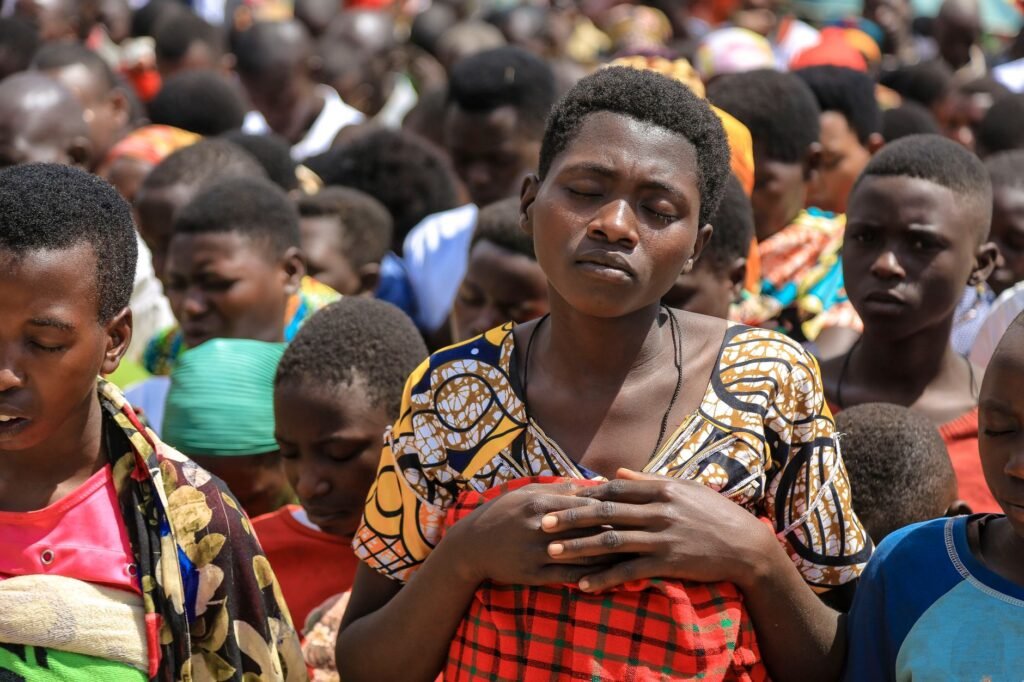
Hope is not just an individual experience; it is also communal. The Bible emphasizes the importance of encouraging one another and sharing our hopes. In the early church, believers gathered to support each other in faith, reminding one another of God’s promises.
As we navigate life’s challenges, the encouragement of fellow believers can reignite our hope and strengthen our resolve. Sharing testimonies of God’s faithfulness can uplift those who may be struggling and inspire them to trust in God’s goodness. Community plays a vital role in cultivating an environment where hope can flourish.
<h2.Prayer and Hope
Prayer is a powerful means of connecting with God and cultivating hope. When we bring our concerns and desires before Him, we are reminded of His sovereignty and care. Prayer allows us to express our fears and frustrations while simultaneously anchoring our hope in God’s promises.
The act of praying for hope is transformative. As we spend time in prayer, we can experience a shift in our perspective, moving from despair to anticipation. God invites us to cast our anxieties upon Him, assuring us that He listens and responds in His perfect timing.
<h2.The Power of Hope in Action
Hope is not meant to be passive; it calls us to action. When we hold onto hope, we are compelled to live differently. Hope inspires us to take steps of faith, to serve others, and to share the good news of God’s love.
James encourages believers to be doers of the Word, highlighting that our faith should produce tangible actions. Living out hope means actively participating in God’s work in the world, trusting that He can use us to bring light into dark situations. Our hope can become a beacon for others, pointing them toward the source of true hope.
<h2.Hope for the Future
As Christians, our hope is ultimately tied to the future promises of God. We look forward to the day when Christ will return, bringing complete restoration and renewal. This eschatological hope provides us with a framework for understanding our present challenges in light of eternity.
In Revelation, we are given a glimpse of a future where God will wipe away every tear, and there will be no more pain or sorrow. This vision of hope encourages us to persevere through trials, knowing that a glorious future awaits those who trust in Him.
<h2.Embracing Hope Daily
Embracing hope is a daily choice. It involves intentionally focusing on God’s promises, surrounding ourselves with encouraging voices, and engaging in practices that foster faith. Reading Scripture, meditating on God’s goodness, and participating in community worship can all nourish our hope.
Additionally, we must be mindful of the messages we consume. In a world filled with negativity and despair, it is crucial to seek out sources of encouragement that align with our faith. By intentionally choosing to dwell on what is true and good, we can cultivate a hopeful mindset.
The Impact of Hope on Our Lives
Hope has a profound impact on our daily lives, influencing our thoughts, actions, and interactions with others. It empowers us to persevere through trials and tribulations, shaping our character and resilience. When we hold onto hope, we cultivate a positive outlook, which can lead to greater mental and emotional well-being.
Key Takeaways
- Hope is a gift from God
- Biblical hope leads to encouragement
- Hope anchors our souls
- Trust in God strengthens our hope
Moreover, hope inspires us to live with purpose and intention. It compels us to act in faith, trusting that our efforts align with God’s will. As we navigate life’s uncertainties, hope encourages us to take bold steps, knowing that God is working all things together for good.
“For I know the plans I have for you, declares the Lord, plans to prosper you and not to harm you, plans to give you hope and a future.” – Jeremiah 29:11
This verse highlights how hope is intertwined with God’s plans for our lives, assuring us that His intentions are good. In moments of doubt or despair, we can cling to this promise, allowing it to guide our decisions and actions.
Hope in Community
Another vital aspect of hope is its communal dimension. The Bible emphasizes the importance of fellowship and support among believers, reminding us that we are not meant to journey alone. Sharing our hopes and struggles within a community fosters encouragement and accountability, strengthening our faith.
As we gather with others, we can uplift one another, sharing testimonies of God’s faithfulness and the hope we have in Him. This exchange of stories and support can reignite our hope when it wanes, reminding us that we are part of a larger narrative of redemption and grace.
“Therefore encourage one another and build each other up, just as in fact you are doing.” – 1 Thessalonians 5:11
Hope and Suffering
Hope does not negate the reality of suffering; instead, it coexists with it, providing a transformative perspective. The Bible acknowledges the reality of pain and hardship, yet it also assures us that suffering can lead to growth and deeper reliance on God. Through our struggles, we can develop perseverance, character, and ultimately, hope.
“Not only so, but we also glory in our sufferings, because we know that suffering produces perseverance; perseverance, character; and character, hope.” – Romans 5:3-4
This passage illustrates that hope is often forged in the fires of adversity. It invites us to view our challenges not as obstacles but as opportunities for spiritual development, allowing us to emerge stronger and more hopeful.
The Assurance of Hope in Trials
Scripture teaches that hope is particularly essential during times of trial and suffering. The Apostle Paul emphasizes this in his letters, where he encourages believers to rejoice in their sufferings, knowing that such trials produce perseverance, character, and ultimately hope. This process highlights how hope is refined and strengthened in the crucible of adversity.
“Not only so, but we also glory in our sufferings, because we know that suffering produces perseverance; perseverance, character; and character, hope.” – Romans 5:3-4
Here, Paul illustrates that hope is not merely an escape from difficulties but a profound transformation that occurs through enduring challenges. It is through these experiences that our trust in God deepens, allowing us to rely on His promises even more fully.
The Community of Hope
The Bible also emphasizes the importance of community in nurturing hope. Believers are called to encourage one another and share in each other’s burdens. This collective support is vital for maintaining hope, as it fosters an environment where individuals can express their struggles and receive encouragement from others.
“Therefore encourage one another and build each other up, just as in fact you are doing.” – 1 Thessalonians 5:11
Within the body of Christ, hope can be shared and multiplied. Community not only provides emotional and spiritual support but also serves as a reminder of God’s faithfulness through the testimonies of others. When we see how God has worked in the lives of those around us, our own hope is bolstered, reminding us that we are not alone in our journey.
<h2-The Future Hope of Believers
In addition to the hope we experience in our present circumstances, the Bible speaks of a future hope that is integral to the Christian faith. This hope is rooted in the promise of eternal life and the eventual restoration of all things. The Apostle Peter writes about this living hope that is secured through the resurrection of Jesus.
“Praise be to the God and Father of our Lord Jesus Christ! In his great mercy he has given us new birth into a living hope through the resurrection of Jesus Christ from the dead.” – 1 Peter 1:3
This future hope not only assures believers of their eternal destiny but also instills a sense of purpose and direction in life. Knowing that our future is secure in Christ encourages us to live with intention and to share this hope with others, reflecting the light of Christ in a world that often feels dark and uncertain.
The Assurance of Hope in Trials
In times of difficulty and suffering, the Bible provides assurance that our hope can sustain us. The Apostle Paul writes about the transformative power of hope in Romans, emphasizing that tribulations can lead to perseverance, character, and ultimately hope. He encourages believers by stating, “Not only that, but we rejoice in our sufferings, knowing that suffering produces endurance, and endurance produces character, and character produces hope, and hope does not put us to shame, because God’s love has been poured into our hearts through the Holy Spirit who has been given to us.” – Romans 5:3-5
This passage reveals that hope is not merely a passive state but an active process that develops through our experiences. In facing trials, we are reminded that God is with us, and our hope in Him fortifies our spirit. It encourages us to view challenges as opportunities for growth rather than insurmountable obstacles.
The Community of Hope
Another vital aspect of hope in the Bible is the communal dimension. The body of Christ, or the church, is called to support one another in hope. In Hebrews, we are urged to “consider how to stir up one another to love and good works, not neglecting to meet together, as is the habit of some, but encouraging one another, and all the more as you see the Day drawing near.” – Hebrews 10:24-25
This encouragement highlights the importance of fellowship in nurturing hope. When believers come together, they share their experiences, prayers, and testimonies, which can reignite hope in one another. The community acts as a source of strength, reminding us of God’s faithfulness and the hope we have in Him, especially as we anticipate Christ’s return.
The Hope of Eternal Life
One of the most profound aspects of biblical hope is the promise of eternal life. This hope provides believers with a perspective that transcends the temporal struggles of life. The Apostle John writes, “And this is the promise that he made to us—eternal life.” – 1 John 2:25
This assurance of eternal life gives us hope that is not limited to our earthly experiences but extends into eternity, influencing how we live today. It inspires us to endure hardships with the knowledge that they are temporary and that our future with God is secure. This hope motivates us to live in ways that reflect the love and grace we have received, knowing that our ultimate destination is with Him forever.
Frequently Asked Questions
How does the Bible define hope?
The Bible defines hope as a confident expectation and trust in God's promises, emphasizing that true hope is rooted in faith and assurance of God's goodness.
What are some Bible verses about hope?
Verses such as Romans 15:13 and Jeremiah 29:11 highlight God's promise of hope and the joy and peace that come from trusting in Him.
How can I cultivate hope in my life?
Cultivating hope involves prayer, reading Scripture, and surrounding yourself with a supportive community that encourages faith and perseverance.
Why is hope important in the Christian life?
Hope is crucial in the Christian life as it provides strength during trials, reassures us of God's faithfulness, and inspires us to persevere in faith.
Final Thoughts
Hope is an essential element in our walk with God. As we learn from Scripture, may our hearts be filled with the assurance that hope is always available through Him.