Key Takeaways
- Food is a gift from God
- Self-control is vital for health
- Our bodies are temples of the Holy Spirit
- Gratitude transforms meals into worship
Food is more than fuel—it’s a gift, a source of fellowship, and sometimes even a test of faith. From Genesis to Revelation, the Bible has a surprising amount to say about diet, nutrition, self-control, and the spiritual significance of what we eat. Whether you’re seeking biblical guidance for healthy living or curious about what Scripture says about clean and unclean foods, this guide explores key Bible verses about diet and what they mean for us today.
Let’s dive in.
1. God’s Original Diet Plan in Genesis
The Bible begins with a clear dietary instruction given to humanity in the Garden of Eden.
Genesis 1:29 (NIV)
“Then God said, ‘I give you every seed-bearing plant on the face of the whole earth and every tree that has fruit with seed in it. They will be yours for food.’”
What This Means
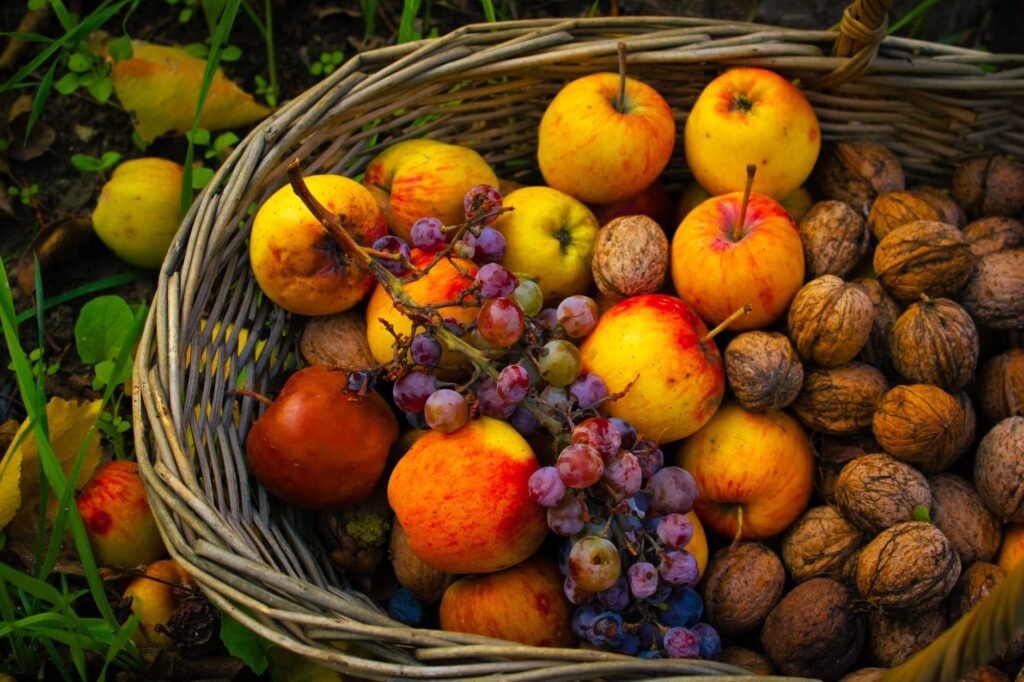
At creation, God provided a plant-based diet consisting of:
- Fruits
- Vegetables
- Grains
- Seeds
This passage suggests that God’s original intention for humanity emphasized natural, earth-grown foods. Many people point to this verse when discussing plant-based or whole-food diets from a biblical perspective.
Later, after the flood, God expands dietary permissions.
Genesis 9:3 (NIV)
“Everything that lives and moves about will be food for you.”
This shift shows that while plants were initially prescribed, meat became permissible as well.
2. The Daniel Diet: Discipline and Devotion
One of the most popular Bible-based eating plans today comes from the Book of Daniel.
Daniel 1:12 (NIV)
“Please test your servants for ten days: Give us nothing but vegetables to eat and water to drink.”
Daniel and his friends chose a simple diet of vegetables and water rather than the king’s rich food. The result?
Daniel 1:15 (NIV)
“At the end of the ten days they looked healthier and better nourished than any of the young men who ate the royal food.”
Key Lessons from the Daniel Diet
- Self-discipline honors God
- Simplicity can promote health
- Food choices can reflect spiritual commitment
While the purpose was spiritual obedience rather than weight loss, many Christians today draw inspiration from Daniel’s example for healthy eating habits.
Reflection Point
As you consider your eating habits, reflect on how your choices can honor God and express gratitude for His provision.
3. Clean and Unclean Foods in the Old Testament
In Leviticus, God gives detailed dietary laws to the Israelites.
Leviticus 11:3 (NIV)
“You may eat any animal that has a divided hoof and that chews the cud.”
These laws categorized animals as “clean” or “unclean.”
Examples of Clean Animals:
- Cattle
- Sheep
- Goats
Examples of Unclean Animals:
- Pork (pigs)
- Shellfish
- Certain birds
Why Did These Laws Exist?
Scholars suggest several reasons:
- Spiritual separation from surrounding nations
- Health protections in ancient times
- Symbolic obedience to God’s covenant
However, the New Testament introduces an important shift.
4. What Jesus and the New Testament Say About Diet
Jesus emphasized that what comes from the heart is more important than dietary rules.
Mark 7:18-19 (NIV)
“Nothing outside a person can defile them by going into them… In saying this, Jesus declared all foods clean.”
Later, Peter receives a vision reinforcing this idea.
Acts 10:15 (NIV)
“Do not call anything impure that God has made clean.”
What This Means for Christians Today
For many believers:
- Dietary laws from Leviticus are no longer binding
- Food itself is not spiritually defiling
- Salvation is not determined by what we eat
The Apostle Paul further clarifies:
1 Corinthians 10:31 (NIV)
“So whether you eat or drink or whatever you do, do it all for the glory of God.”
The focus shifts from strict rules to the attitude behind our choices.

5. The Bible on Self-Control and Moderation
While Christians may have freedom in food choices, the Bible consistently promotes moderation.
Proverbs 25:16 (NIV)
“If you find honey, eat just enough—too much of it, and you will vomit.”
Proverbs 23:20-21 (NIV)
“Do not join those who drink too much wine or gorge themselves on meat.”
Biblical Principles for Healthy Eating
- Practice self-control
- Avoid gluttony
- Treat food as nourishment, not indulgence
- Honor God with your body
6. Your Body as a Temple
One of the most quoted Bible verses about health and diet is:
1 Corinthians 6:19-20 (NIV)
“Do you not know that your bodies are temples of the Holy Spirit… Therefore honor God with your bodies.”
Although this passage primarily addresses moral purity, many apply it to physical health as well.
Practical Application
If our bodies are temples, then:
- Proper nutrition matters
- Overindulgence should be avoided
- Caring for our health can be an act of worship
This perspective encourages balance rather than legalism.

7. Food, Gratitude, and Fellowship
Food in the Bible is also about community and thanksgiving.
1 Timothy 4:4-5 (NIV)
“For everything God created is good, and nothing is to be rejected if it is received with thanksgiving.”
Meals in Scripture often symbolize:
- Fellowship
- Celebration
- Covenant
- Hospitality
From the Passover to the Last Supper, food connects people to God and to one another.
Key Takeaways: What the Bible Teaches About Diet
Here’s a summary of biblical principles regarding food:
✅ God created food as a gift
✅ Early Scripture emphasizes plant-based nutrition
✅ Meat is biblically permissible
✅ Old Testament dietary laws marked spiritual distinction
✅ Jesus declared all foods clean
✅ Moderation and self-control are essential
✅ Our bodies should be honored as God’s temple
✅ Gratitude transforms eating into worship
Final Thoughts: Finding Balance in Biblical Eating
When exploring Bible verses about diet, one truth becomes clear: Scripture is less about strict meal plans and more about the condition of the heart.
Yes, the Bible discusses clean and unclean foods. Yes, it celebrates simple, wholesome eating like Daniel’s vegetables. But above all, it emphasizes:
- Gratitude
- Self-control
- Obedience
- Honoring God in all things
Whether you follow a plant-based plan, eat meat, or simply try to make healthier choices, the ultimate goal is this:
“Whatever you do, do it all for the glory of God.” (1 Corinthians 10:31)
Healthy eating can be spiritual—but not because of rigid rules. Instead, it becomes meaningful when it reflects wisdom, discipline, and thankfulness.
So the next time you sit down for a meal, remember: food is more than nutrition—it’s an opportunity to honor the One who provided it.
Further Reading
PRAYER TO KNOW GOD
PRAYER FOR THE JOY OF COMPANIONSHIP
BIBLE VERSES ABOUT GODS PROTECTION
How the Bible Teaches Us to Pray Without Ceasing
BIBLE VERSES ABOUT STAYING STRONG IN RELATIONSHIPS
PRAYER FOR LONELINESS IN MY MARRIAGE
10 Inspiring Prayers for Joy
Frequently Asked Questions
What does the Bible say about clean and unclean foods?
The Bible outlines dietary laws in Leviticus, categorizing animals as clean or unclean. However, in the New Testament, Jesus declared all foods clean, emphasizing that what comes from the heart is more important.
How can I apply the Daniel diet in my life?
The Daniel diet emphasizes simplicity and discipline. You can incorporate more vegetables and water into your diet, reflecting your spiritual commitment and honoring God with your food choices.
Is there a biblical perspective on overeating?
The Bible warns against gluttony and promotes moderation. Proverbs encourages self-control in eating, reminding us that our bodies should be treated with respect and care.
How should I approach meals with a grateful heart?
Approach each meal as an opportunity for thanksgiving. Remember 1 Timothy 4:4-5, which teaches that food is good when received with gratitude, turning eating into an act of worship.
Final Thoughts
As you explore your dietary choices, remember that it's not just about rules, but about honoring God in all you do. Allow your meals to reflect gratitude and a heart devoted to Him. Embrace the joy of nourishing your body while glorifying the Creator.