
Money is one of the most common needs people face in life. Many individuals struggle with paying bills, supporting family members, handling emergencies, pursuing education, or simply meeting daily needs. During difficult financial seasons, feelings of fear, stress, discouragement, and uncertainty can become overwhelming. However, the Bible repeatedly reminds believers that God is aware of every need and deeply cares about His children.
Key Takeaways
- God cares for our every need
- Trusting God brings peace
- Diligence and hard work matter
- Generosity opens doors to blessings
Scripture does not ignore the reality of financial hardship. Instead, it provides wisdom, encouragement, guidance, and hope for those who are in need. The Bible teaches that God is a provider, a helper, and a source of strength during seasons of lack. It also teaches important principles about faith, hard work, generosity, contentment, stewardship, and trusting God even when circumstances appear difficult.
Below are powerful Bible verses about needing money, along with detailed explanations of their meaning and how they apply to everyday life.
Philippians 4:19
“And my God shall supply all your need according to his riches in glory by Christ Jesus.”
This is one of the most encouraging verses for people facing financial struggles. The Apostle Paul reminds believers that God is able to provide for every genuine need. The verse does not promise unlimited wealth or luxury, but it assures Christians that God will take care of them according to His abundant riches.
Many people become anxious when money is limited because financial problems can affect housing, food, education, health, and peace of mind. However, this verse teaches that God is not limited by human circumstances. His resources are unlimited, and He understands exactly what His children need at the right time.
The verse also encourages believers to depend on God rather than placing complete trust in human systems, jobs, or possessions. While work and financial planning are important, ultimate security comes from God.
Matthew 6:31-33
“Therefore take no thought, saying, What shall we eat? or, What shall we drink? or, Wherewithal shall we be clothed?… But seek ye first the kingdom of God, and his righteousness; and all these things shall be added unto you.”
Jesus spoke these words during the Sermon on the Mount. He addressed one of humanity’s greatest struggles, worry about material needs. Food, clothing, shelter, and financial security are concerns that affect almost everyone.
Jesus did not say that people should avoid working or ignore responsibilities. Instead, He warned against allowing financial worries to control the heart. Excessive anxiety can damage faith, emotional health, relationships, and spiritual growth.
This passage teaches believers to prioritize God above material concerns. When people place God first in their lives, He guides, helps, and provides for them in ways they may not expect. Trusting God does not remove responsibility, but it replaces fear with faith.
Reflection Point
In times of financial need, remember to seek God first. Trust in His provision can bring comfort and clarity.
Psalm 37:25
“I have been young, and now am old; yet have I not seen the righteous forsaken, nor his seed begging bread.”
King David reflects on his lifetime experiences and declares God’s faithfulness. Throughout many years of life, he observed that God continually cared for His people.
This verse offers reassurance to those who feel abandoned because of financial hardship. There may be seasons of struggle, delay, or uncertainty, but God does not completely abandon those who trust Him.
The verse also highlights the importance of righteousness and faithful living. It reminds believers that obedience to God and integrity matter even during financial difficulties. Some individuals compromise their values when money becomes scarce, but Scripture encourages believers to remain faithful and trust God’s provision.
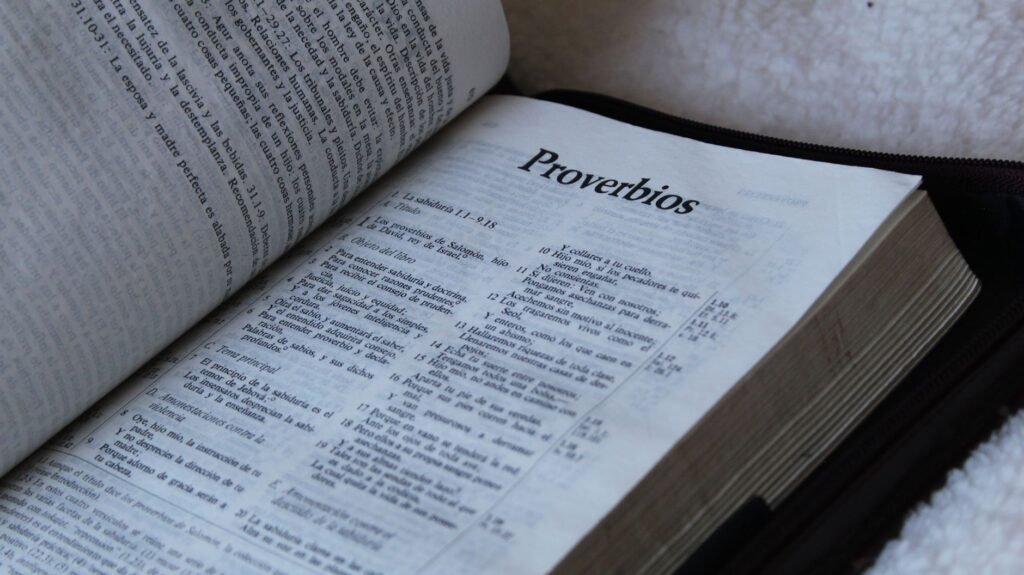
Proverbs 3:9-10
“Honour the Lord with thy substance, and with the firstfruits of all thine increase: So shall thy barns be filled with plenty, and thy presses shall burst out with new wine.”
These verses teach the principle of honoring God with finances. Even during difficult seasons, believers are encouraged to acknowledge God as the source of every blessing.
Honoring God financially involves gratitude, generosity, honesty, and wise stewardship. It means using money responsibly and avoiding greed or selfishness. The passage also teaches that obedience and generosity invite God’s blessings.
Many people think giving is only possible during abundance, but Scripture often shows that faithfulness during difficult times reveals deep trust in God. Financial blessings may come in different forms, including opportunities, provision, wisdom, favor, peace, and unexpected help.
Malachi 3:10
“Bring ye all the tithes into the storehouse… and prove me now herewith… if I will not open you the windows of heaven, and pour you out a blessing.”
This verse emphasizes trust and obedience in giving. God challenged His people to remain faithful and promised to bless them abundantly.
The principle behind this passage is not merely about receiving money in return for giving. Rather, it teaches dependence on God and faithfulness in stewardship. Giving demonstrates trust that God can continue providing even after part of one’s resources are released.
Many believers testify that God provided for them through unexpected opportunities, financial breakthroughs, open doors, or support from others after they remained faithful during hard times.
Deuteronomy 8:18
“But thou shalt remember the Lord thy God: for it is he that giveth thee power to get wealth.”
This verse reminds believers that God is the ultimate source of ability, strength, wisdom, talent, and opportunity. Even when people work hard for money, their health, intelligence, skills, and opportunities ultimately come from God.
The passage encourages humility and gratitude. Financial success should never lead to pride or arrogance. Instead, people should acknowledge God’s role in their achievements.
For those currently struggling financially, this verse also provides hope. God can create opportunities, increase wisdom, open doors, and provide new ideas that improve financial conditions.

Proverbs 10:4
“He becometh poor that dealeth with a slack hand: but the hand of the diligent maketh rich.”
The Bible strongly values diligence and hard work. While prayer and faith are important, Scripture also teaches responsibility and discipline.
This verse warns against laziness and encourages consistent effort. Financial improvement often requires patience, skill development, wise planning, persistence, and dedication.
God frequently blesses the work of diligent individuals. Therefore, believers should combine prayer with action. Applying for jobs, learning new skills, managing finances wisely, and pursuing opportunities are important practical steps during financial hardship.
Luke 6:38
“Give, and it shall be given unto you; good measure, pressed down, and shaken together, and running over.”
This verse highlights the principle of generosity. God desires His people to develop hearts that are willing to help others.
Interestingly, generosity is not reserved only for wealthy people. Even individuals with limited resources can demonstrate kindness, compassion, and willingness to share. The Bible teaches that generosity often opens doors to blessings, favor, and meaningful relationships.
The verse also reflects a spiritual principle. People who live selfishly often experience emptiness, while those who live generously experience joy, peace, and divine favor.
Psalm 34:10
“The young lions do lack, and suffer hunger: but they that seek the Lord shall not want any good thing.”
This verse teaches that human strength alone cannot guarantee provision. Even strong creatures experience lack, but those who depend on God receive His care.
Seeking the Lord involves prayer, obedience, faith, and relationship with God. Financial challenges can sometimes push people closer to God, helping them develop deeper trust and spiritual maturity.
The verse does not suggest that believers will never face difficulties. Instead, it assures them that God remains faithful through every season.

2 Corinthians 9:8
“And God is able to make all grace abound toward you; that ye… may abound to every good work.”
Paul explains that God blesses people not only for personal comfort but also so they can become a blessing to others. Financial provision often carries purpose and responsibility.
This verse encourages believers who feel limited or discouraged. God is able to provide enough grace, strength, wisdom, and resources for every challenge. His provision enables believers to continue doing good even during difficult times.
Proverbs 22:7
“The rich ruleth over the poor, and the borrower is servant to the lender.”
Financial hardship sometimes leads people into excessive debt. This verse offers wisdom regarding borrowing and financial management.
Debt can create stress, anxiety, and limitation. Therefore, believers are encouraged to practice wise stewardship, budgeting, and financial discipline whenever possible.
The Bible does not condemn every form of borrowing, but it warns against careless financial habits and dependence on debt. Wise money management is part of biblical stewardship.
Hebrews 13:5
“Let your conversation be without covetousness; and be content with such things as ye have.”
Financial struggles can sometimes lead to envy and comparison. Seeing others succeed materially may create frustration or discouragement.
This verse teaches the importance of contentment. Contentment does not mean abandoning goals or refusing growth. Rather, it means maintaining peace and gratitude regardless of current circumstances.
A content heart trusts God’s timing and avoids destructive greed. Many people possess wealth but lack peace, while others with modest resources experience joy, gratitude, and fulfillment.
Psalm 23:1
“The Lord is my shepherd; I shall not want.”
This famous verse portrays God as a shepherd who lovingly cares for His sheep. A shepherd protects, guides, feeds, and watches over the flock.
Similarly, God cares deeply about the needs of His people. Financial struggles may create uncertainty, but believers can find comfort in knowing that God is attentive to every detail of their lives.
The verse emphasizes trust, security, and divine care. Even during difficult seasons, God remains present and faithful.
Ecclesiastes 5:10
“He that loveth silver shall not be satisfied with silver.”
The Bible recognizes that money is necessary, but it also warns against obsession with wealth. Many people believe financial success alone will bring lasting happiness, yet material possessions cannot fully satisfy the human heart.
This verse encourages balance. It is appropriate to pray for provision, seek financial stability, and work toward improvement. However, money should never replace faith, relationships, integrity, or spiritual priorities.
True fulfillment comes from God, not from possessions alone.
Practical Lessons the Bible Teaches About Needing Money
Trust God During Difficult Times
Financial hardship often creates fear and uncertainty. However, Scripture consistently encourages believers to trust God’s provision and faithfulness.
Work Diligently
The Bible values hard work, discipline, and responsibility. Prayer should be combined with practical effort and wise decision-making.
Avoid Greed
Money is important, but it should not control the heart. Pursuing wealth without wisdom can lead to spiritual and emotional problems.
Practice Generosity
Generosity reflects God’s character. Helping others, even in small ways, creates compassion and strengthens faith.
Manage Finances Wisely
Budgeting, avoiding unnecessary debt, saving responsibly, and practicing stewardship are important biblical principles.
Seek God First
Spiritual priorities should remain above material pursuits. God’s guidance often brings peace, wisdom, and direction during financial challenges.
Frequently Asked Questions
What does the Bible say about financial struggles?
The Bible acknowledges financial struggles and offers reassurance that God is a provider. Verses like Philippians 4:19 remind us that God will supply our needs according to His riches.
How can I trust God during financial hardship?
Trusting God during financial hardship involves prayer, seeking His guidance, and remembering His promises. Scriptures like Matthew 6:31-33 encourage us to prioritize God and His kingdom.
What does the Bible say about being generous with money?
The Bible teaches that generosity reflects God’s character (Luke 6:38). Even in financial scarcity, sharing with others can lead to unexpected blessings and joy.
How can I manage my finances according to the Bible?
Biblical financial management involves wise stewardship, budgeting, and avoiding debt (Proverbs 22:7). Practicing diligence and generosity can also lead to God's provision.
Final Thoughts
Needing money can be emotionally exhausting and spiritually challenging. Financial problems often affect mental health, relationships, confidence, and peace of mind. Nevertheless, the Bible repeatedly reminds believers that God sees every struggle and remains faithful through every season.
Scripture teaches that God provides for needs, honors diligence, values generosity, and guides those who trust Him. Financial hardship may not disappear immediately, but believers can find strength, wisdom, hope, and encouragement through God’s Word.
The Bible ultimately points people toward faith rather than fear. Even in seasons of lack, believers are encouraged to continue praying, working faithfully, managing resources wisely, and trusting that God remains their provider and sustainer.
Further Reading
PRAYER FOR THE JOY OF COMPANIONSHIP
BIBLE VERSES ABOUT GODS PROTECTION
How the Bible Teaches Us to Pray Without Ceasing
BIBLE VERSES ABOUT STAYING STRONG IN RELATIONSHIPS
PRAYER FOR LONELINESS IN MY MARRIAGE
Further Study