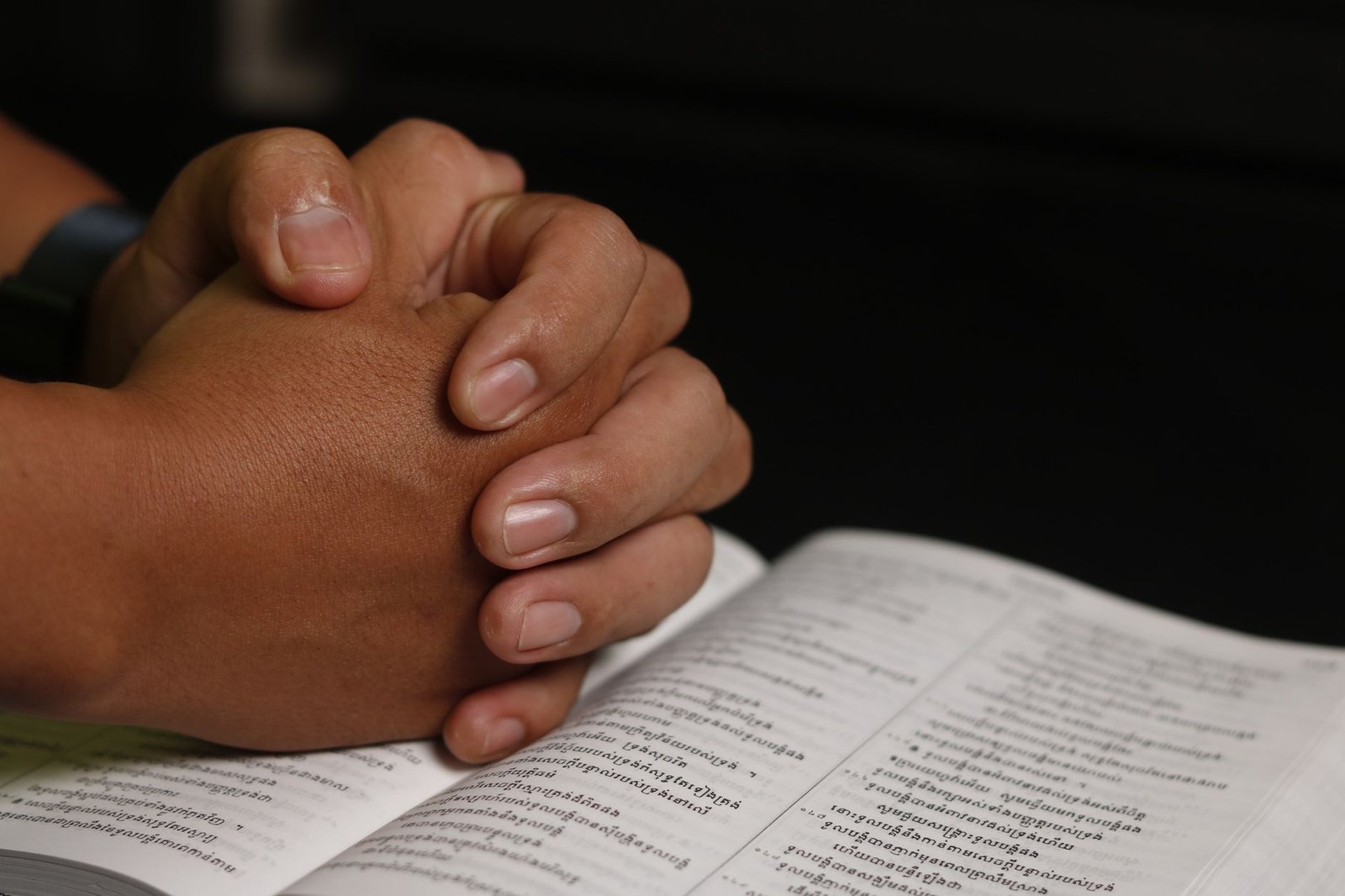
The Sacred Duty of Remembering the Imprisoned
Behind reinforced concrete, wire mesh, and steel bars sit men and women who share our baptism, our hope, and our Savior. Some are locked away in foreign cells precisely because they refused to deny the name of Jesus Christ under oppressive regimes. Others are incarcerated in local detention facilities where, in the midst of personal heartbreak and legal accountability, they have encountered the redeeming mercy of the cross.
When we gather in comfortable sanctuary pews or pray around our dinner tables, it can be easy for those living behind prison walls to drift to the margins of our awareness. Yet the New Testament speaks of incarcerated believers not as distant statistics, but as living members of our own spiritual family. The author of Hebrews leaves no room for forgetfulness:
“Remember those who are in prison, as though in prison with them, and those who are mistreated, since you also are in the body.” – Hebrews 13:3
To remember in the biblical sense is far more than a passing thought; it is an act of empathetic identification. It means allowing our hearts to carry the weight of their burden, recognizing that when one part of the body of Christ suffers, the entire body feels the pain. Bringing their names before God is a sacred responsibility entrusted to the whole church.
Unceasing Prayer: The Church’s Primary Response
The early church understood that physical walls cannot restrict spiritual fellowship, nor can iron doors bar the movement of God’s Spirit. In the Book of Acts, when King Herod launched a violent wave of persecution against believers and threw Peter into prison under heavy security, the church did not retreat in silent despair or rely on human influence alone. Their primary response was immediate, focused, and spiritual.
“So Peter was kept in prison, but earnest prayer for him was made to God by the church.” – Acts 12:5
The word translated as “earnest” describes an intense, sustained stretching out—like an athlete pressing toward a finish line. While Peter slept between two guards, bound with double chains, believers met through the night in a private home, storming heaven on his behalf. God answered that persistent intercession with miraculous deliverance, demonstrating that no physical enclosure can obstruct the prayers of God’s people.
When we pray for Christian prisoners today, whether they suffer in labor camps for preaching Christ or navigate the harsh, daily realities of a local prison system, we participate in that same vital work. Prayer is not a weak gesture when we cannot act; it is the most powerful action we can take on their behalf.
What to Pray for Believers Behind Bars
When we bow our heads to intercede for incarcerated brothers and sisters, what specifically should we ask of God? The Scriptures provide clear direction for how to structure our intercession.
Spiritual Boldness and Integrity
Incarcerated Christians face constant pressure to compromise their integrity, whether from hostile authorities, dangerous living conditions, or deep personal isolation. When the Apostle Paul wrote to the church in Ephesus while under guard, he did not ask his friends to pray primarily for his physical comfort or swift release. Instead, he requested prayer for courage:
“Pray also for me, that whenever I speak, words may be given me so that I will fearlessly make known the mystery of the gospel, for which I am an ambassador in chains. Pray that I may declare it fearlessly, as I should.” – Ephesians 6:19-20
We should pray that God grants incarcerated believers spiritual resilience, keeping them grounded in Scripture and giving them the courage to reflect Christ even in hostile environments.
Inner Peace and Divine Comfort
Physical confinement aims to crush the human spirit, bringing loneliness, anxiety, and deep regret. Yet God specializes in giving peace that passes understanding in the darkest places. We can pray that the Holy Spirit fills their cells with a tangible sense of His presence, reassuring them that they are never abandoned or forgotten by their heavenly Father.
Protection and Daily Sustenance
Prison environments can be places of severe neglect, exploitation, and physical threat. We ought to ask God to act as a shield around His children, guarding their health, protecting them from violence, and granting them favor in the eyes of guards, chaplains, and institutional administrators.
Finding Gospel Purpose Behind Bars
It is natural to view imprisonment as a total disruption of ministry—a tragic delay in God’s work. But Scripture reveals that God frequently uses confinement to accomplish His highest purposes. From Joseph in the Egyptian dungeon to Daniel in the lions’ den, God has a long history of turning places of restriction into strongholds of grace.
Paul shared this radical perspective with the believers at Philippi during his own imprisonment in Rome:
“I want you to know, brothers, that what has happened to me has really served to advance the gospel, so that it has become known throughout the whole imperial guard and to all the rest that my imprisonment is for Christ.” – Philippians 1:12-13
Paul saw his confinement not as a setback, but as a strategic assignment. The elite Roman guards chained to him were a captive audience for the message of eternal life. Furthermore, Paul’s steadfastness inspired other Christians outside the prison walls to speak the word of God with greater boldness and freedom from fear.
When we intercede for Christian prisoners, we can ask God to give them this same eternal perspective. We can pray that they view their surroundings not merely as a place of detention, but as a unique mission field where they can bring hope to fellow inmates who have hit spiritual rock bottom.
Turning Intercession into Compassionate Action
Biblical prayer for the imprisoned is meant to overflow into active care whenever God opens the door. In His teaching on the final judgment, Jesus identified Himself so closely with the suffering that ministering to prisoners became a direct reflection of our love for Him:
“I was naked and you clothed me, I was sick and you visited me, I was in prison and you came to me.” – Matthew 25:36
We can translate our prayers into tangible love through several practical pathways:
- Write letters of encouragement: Where permitted by prison regulations, sending brief, scripture-filled notes to Christian prisoners reassures them that they are remembered by the body of Christ.
- Support local prison chaplains: Partner with local and international ministries that deliver Bibles, Christian literature, and pastoral care to inmates seeking spiritual transformation.
- Advocate for persecuted Christians: Stay informed through trustworthy organizations that monitor international religious freedom, raising awareness for believers unjustly detained for their faith.
- Care for families left behind: Incarceration places heavy financial and emotional burdens on spouses and children. Supporting these families with practical aid and community care reflects the hands of Christ.
As we lift up our imprisoned brothers and sisters, we affirm our shared bond in the family of God. No prison wall is high enough to block the Holy Spirit, no cell is too dark for the light of Christ, and no believer is ever out of reach when the church kneels to pray.