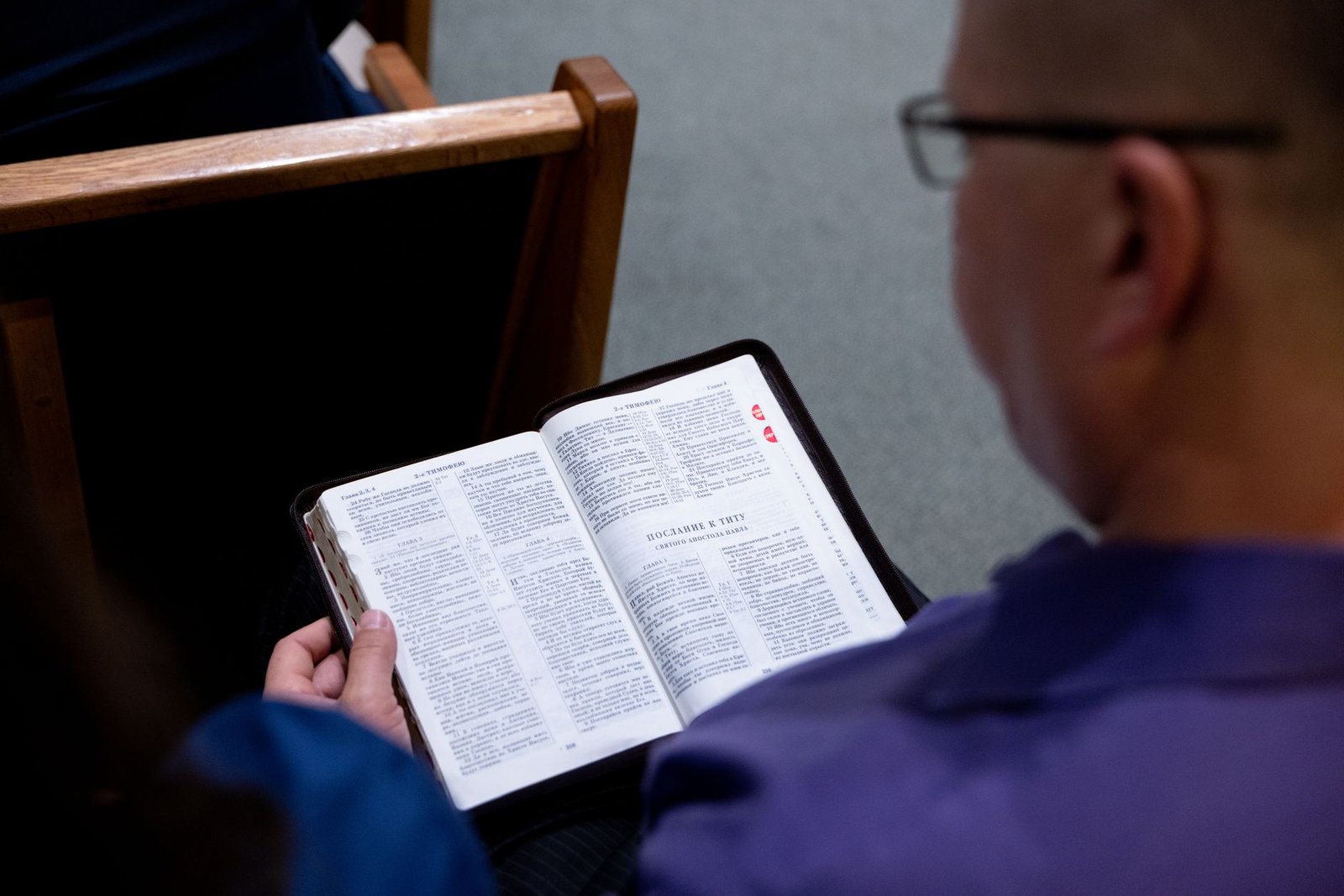

When we open the Scriptures, we discover a narrative centered on the unshakeable character of God. From the early pages of Genesis to the final visions of Revelation, God reveals Himself as One who makes and keeps covenants. At the center of this biblical narrative stands the nation of Israel—a people chosen not because of their size, strength, or innate righteousness, but because of God’s sovereign love and His eternal purpose to bless the entire world through them.
For Christians seeking to understand what the Scriptures teach about supporting Israel, the inquiry is not fundamentally about modern geopolitics or partisan opinions. It is a matter of theology. It is an exploration of God’s nature, His trustworthiness, and His ongoing redemption plan. To understand how we ought to regard Israel, we must look directly into the Word of God to see how He regards her.
The Foundation of God’s Covenant Promise
The story of Israel begins with a clear divine call. In the book of Genesis, God calls Abram out of his homeland and makes a solemn pledge that altered the trajectory of human history.
“Now the LORD said to Abram, ‘Go from your country and your kindred and your father’s house to the land that I will show you. And I will make of you a great nation, and I will bless you and make your name great, so that you will be a blessing. I will bless those who bless you, and him who dishonors you I will curse, and in you all the families of the earth shall be blessed.'” – Genesis 12:1-3
This foundational passage establishes two crucial spiritual truths. First, God’s promise to Abraham was missional: Israel was set apart so that “all the families of the earth shall be blessed.” Second, God bound His own character to how the nations respond to Abraham’s lineage. This covenant was reaffirmed to Isaac and Jacob, established as an enduring commitment throughout their generations.
God’s covenant love was never based on flawless human performance. Though Israel experienced exile and discipline when turning away from the Lord, the covenant relationship remained anchored in God’s sworn word. When believers honor the Jewish people, we honor the Lord who pledged His name to their protection and ultimate restoration.
Related Posts:




The Command to Pray for Jerusalem
Throughout the Psalms, believers are instructed to actively engage their hearts on behalf of Zion. The Psalmist does not treat Jerusalem merely as a historical city, but as the city of the Great King and the spiritual heartland of God’s redemptive story.
“Pray for the peace of Jerusalem: ‘May they be secure who love you! Peace be within your walls and security within your towers!'” – Psalm 122:6
The Hebrew word for peace used in this psalm is shalom, which signifies far more than a temporary cease-fire or absence of conflict. It speaks of completeness, wholeness, safety, and total alignment with God’s divine will. To pray for the peace of Jerusalem is to ask God to bring His physical protection, spiritual awakening, and ultimate righteousness to the city.
When Christians pray for Jerusalem, our intercession reflects the heart of God. We pray for protection against violence, for wise and just leadership, for the spiritual renewal of the Jewish people, and for peace that extends to all who dwell in the region—including Arab and Palestinian neighbors. Loving Israel according to Scripture does not mean ignoring the needs of others; rather, it flows from God’s desire for justice, truth, and reconciliation to cover the earth.
Grafted Into the Cultivated Olive Tree
In his epistle to the Romans, the apostle Paul addresses Gentile believers who were tempted to feel spiritually arrogant or self-sufficient. To clarify the relationship between Gentile Christians and Israel, Paul presents the vivid image of an olive tree.
“If some of the branches were broken off, and you, although a wild olive shoot, were grafted in among the others and now share in the nourishing root of the olive tree, do not be arrogant toward the branches. If you are, remember it is not you who support the root, but the root that supports you.” – Romans 11:17-18
Paul reminds Gentile Christians that they are like wild olive branches grafted into a cultivated tree. The rich root of this tree represents the patriarchs, the covenants, and the spiritual foundation laid through Israel. We do not support the root; the root supports us. Every spiritual treasure Gentile believers enjoy today—the Scriptures, the knowledge of the one true God, the holy prophets, and Jesus Christ Himself—came to us through the Jewish people.
Paul reinforces this spiritual debt later in the same letter, explaining why Gentile believers should express gratitude toward Israel in practical ways:
“For if the Gentiles have come to share in their spiritual blessings, they ought also to be of service to them in material blessings.” – Romans 15:27
Understanding this connection transforms our perspective. We do not look at Israel as outsiders or strangers, but with deep gratitude as brothers and sisters brought near by the blood of Christ, sharing in the spiritual legacy of Abraham.
God’s Irrevocable Calling
A crucial question that believers often ask is whether God’s purpose for Israel was set aside after the coming of Christ. Paul addresses this concern directly, leaving no room for misunderstanding regarding God’s enduring commitment.
“I ask, then, has God rejected his people? By no means! For I myself am an Israelite, a descendant of Abraham, a member of the tribe of Benjamin. God has not rejected his people whom he foreknew.” – Romans 11:1-2
Paul summarizes this truth with an absolute declaration regarding God’s covenant promises:
“As regards the gospel, they are enemies for your sake. But as regards election, they are beloved for the sake of their forefathers. For the gifts and the calling of God are irrevocable.” – Romans 11:28-29
The term “irrevocable” means that God does not alter, recall, or regret His promises. If God were capable of abandoning His covenant with Israel due to human weakness, Christians would have no absolute guarantee that He would keep His promises to the Church. God’s unwavering faithfulness to Israel is the bedrock assurance that He will remain faithful to every believer who trusts in Him.
How Believers Can Walk in Biblical Truth Today
Living out biblical truth regarding Israel requires a thoughtful, Christlike response. Loving Israel does not mean endorsing every political decision of a modern nation-state, nor does it mean overlooking human suffering anywhere in the world. Instead, it means aligning our hearts with the revealed word and compassionate character of God.
Here are clear ways followers of Christ can express biblical support:
- Pray faithfully for peace and salvation: Make consistent prayer for Israel a regular habit, asking the Lord to grant wisdom to leaders, security to citizens, and spiritual revelation of Messiah Jesus.
- Oppose antisemitism with courage: Stand firmly against hatred, discrimination, and hostility directed toward the Jewish people. Followers of Jesus must be among the first to defend Jewish neighbors from bigotry and harm.
- Practice spiritual gratitude: Honor the heritage of faith handed down through Scripture. Recognize that our salvation came through the lineage of Israel and her promised Messiah.
- Demonstrate Christlike love to all people: Extend practical compassion and mercy to everyone in the Holy Land—both Jews and Arabs—reflecting the heart of Jesus who loves every soul.
When we hold fast to God’s word, pray for the peace of Jerusalem, and extend genuine love to Abraham’s descendants, we honor the covenant-keeping God who promised to bless all families of the earth through Jesus Christ our Lord.