
Key Takeaways
- Understanding triggers is essential
- Medication and lifestyle changes can empower
- Emotional support aids in healing
- You are not alone on this journey
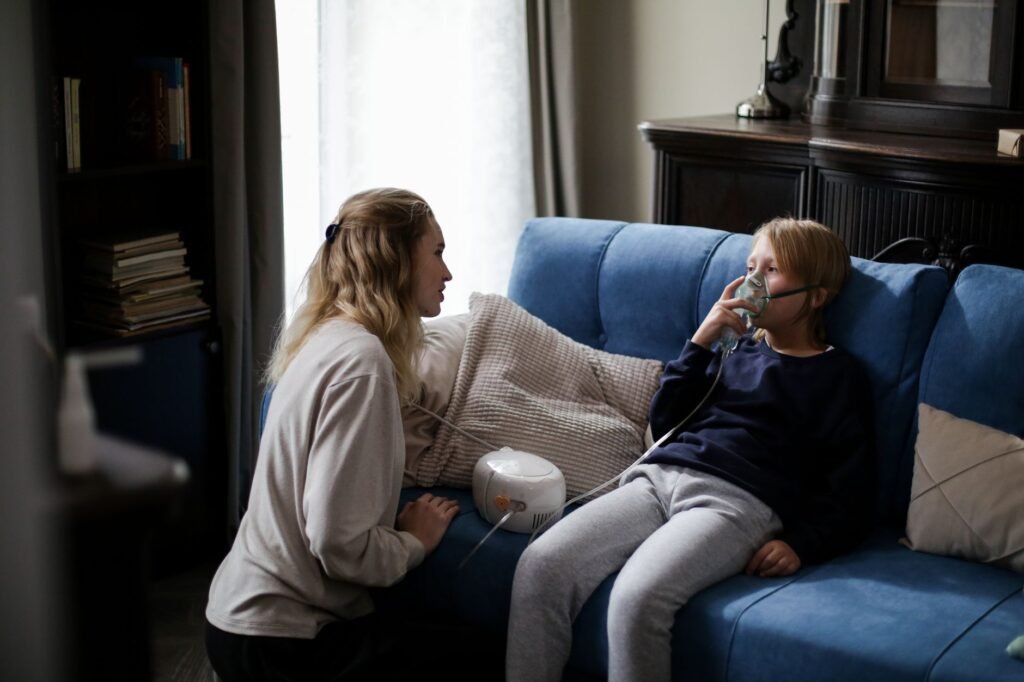
Asthma can be a challenging and often overwhelming condition, especially when it affects a loved one, like a child. As a parent, witnessing your son’s struggle with breathing can evoke deep feelings of helplessness. However, the journey toward managing and ultimately healing asthma can lead to empowering insights, effective strategies, and a renewed sense of hope. In this blog post, we’ll explore the journey I took to help my son with his asthma, from understanding the condition to implementing lifestyle changes and treatment options.
Understanding Asthma in Children
Before we delve into solutions, it’s crucial to understand what asthma is and how it affects children.
What is Asthma?
Asthma is a chronic inflammatory disease of the airways in which your child may experience:
- Wheezing: A whistling sound when breathing.
- Shortness of Breath: Difficulty in breathing or feeling winded.
- Chest Tightness: A sensation of pressure or pain in the chest.
- Coughing: Often worse at night or early in the morning.
Triggers of Asthma
Identifying triggers is a foundational step in managing your child’s condition. Common triggers include:
- Allergens: Dust mites, pet dander, pollen, mold.
- Irritants: Tobacco smoke, strong odors, air pollution.
- Weather Changes: Cold air, humidity, sudden temperature changes.
- Exercise: Physical activity can induce asthma symptoms.
Understanding these triggers can help you create a safer and more comfortable environment for your child.
The Journey to Healing: Steps I Took
Navigating the world of pediatric asthma can be bewildering, but a series of strategic steps led me to more successful management of my son’s asthma.
1. Consult with Healthcare Professionals
Connecting with healthcare providers who specialize in respiratory health is essential. Here’s how I approached it:
- Pediatrician Consultation: I started with our family pediatrician, who referred us to a pediatric pulmonologist.
- Regular Check-ups: Routine appointments are vital for monitoring the condition and adjusting medication as necessary.
- Asthma Action Plan: Collaboratively, we developed an asthma action plan detailing what to do in case of an attack and daily management strategies.
2. Implementing Medication
There are two categories of asthma medication: quick-relief (rescue) inhalers and long-term control medications. It was important for us to understand the appropriate use of these:
- Rescue inhalers are for immediate relief during an asthma attack.
- Long-term medications (like inhaled corticosteroids) help reduce inflammation and prevent attacks.
Following the prescribed regimen diligently helped my son regain a sense of control.
3. Lifestyle Changes
In conjunction with medical management, lifestyle changes made a world of difference.
Nutritional Adjustments
- Anti-inflammatory Diet: Incorporating omega-3 fatty acids (found in fish like salmon) and plenty of fruits and vegetables can help reduce inflammation.
- Hydration: Ensuring my son drank plenty of water helped thin mucus in the airways.
Physical Activity
While exercise can be a trigger for some, with proper management and precautions, it can also be beneficial:
- Controlled Activities: We opted for low to moderate-intensity exercises such as swimming, which even have therapeutic benefits for asthma.
- Warm-up Routines: A gentle warm-up helped my son prepare his lungs before engaging in sports.
Home Environment
Making modifications at home reduced exposure to asthma triggers:
- Allergy-Proofing: We invested in air purifiers, hypoallergenic bedding, and routinely cleaned to reduce dust and allergens.
- Pet Management: While we loved our pets, we took steps to minimize their impact by keeping them off my son’s bed and regular grooming.
4. Emotional and Mental Support
Asthma can be stressful for children, leading to anxiety around activities and social situations. We focused on emotional support:
- Education: Teaching my son about asthma empowered him to understand and manage his condition.
- Support Groups: Connecting with other families dealing with similar situations provided community support and resources.
Reflection Point
Remember that every small step you take towards managing asthma is a step towards greater peace and confidence for your child. Trust in the journey.
Frequently Asked Questions
What are the common triggers for asthma in children?
Common triggers include allergens like dust mites and pollen, irritants like tobacco smoke, weather changes, and exercise. Understanding these can help create a safer environment for your child.
How can I support my child emotionally while managing asthma?
Educating your child about asthma empowers them, and connecting with support groups provides community and encouragement. This emotional support can alleviate anxiety related to their condition.
What role do lifestyle changes play in managing asthma?
Lifestyle changes, such as a nutritious diet, hydration, and controlled physical activity, significantly impact asthma management and overall well-being. They can reduce inflammation and improve lung function.
How important is it to consult healthcare professionals for asthma?
Regular consultations with healthcare professionals are vital for monitoring your child’s condition, adjusting medication, and developing an effective asthma action plan. Their guidance is essential for effective management.
Conclusion: A Path to Empowerment and Healing
The journey towards healing my son’s asthma has been filled with challenges, but it has also been one of empowerment. By taking proactive steps such as working with healthcare professionals, implementing lifestyle changes, and providing emotional support, I witnessed a transformation not just in my son’s health, but in his spirit and confidence.
Asthma doesn’t have to define your child’s life. With the right strategies in place, you can help your child breathe easier and fully engage in every aspect of life. Always remember, you are not alone on this journey; many resources and communities are available to support you as you navigate this path.
Take a deep breath – hope and healing are possible!