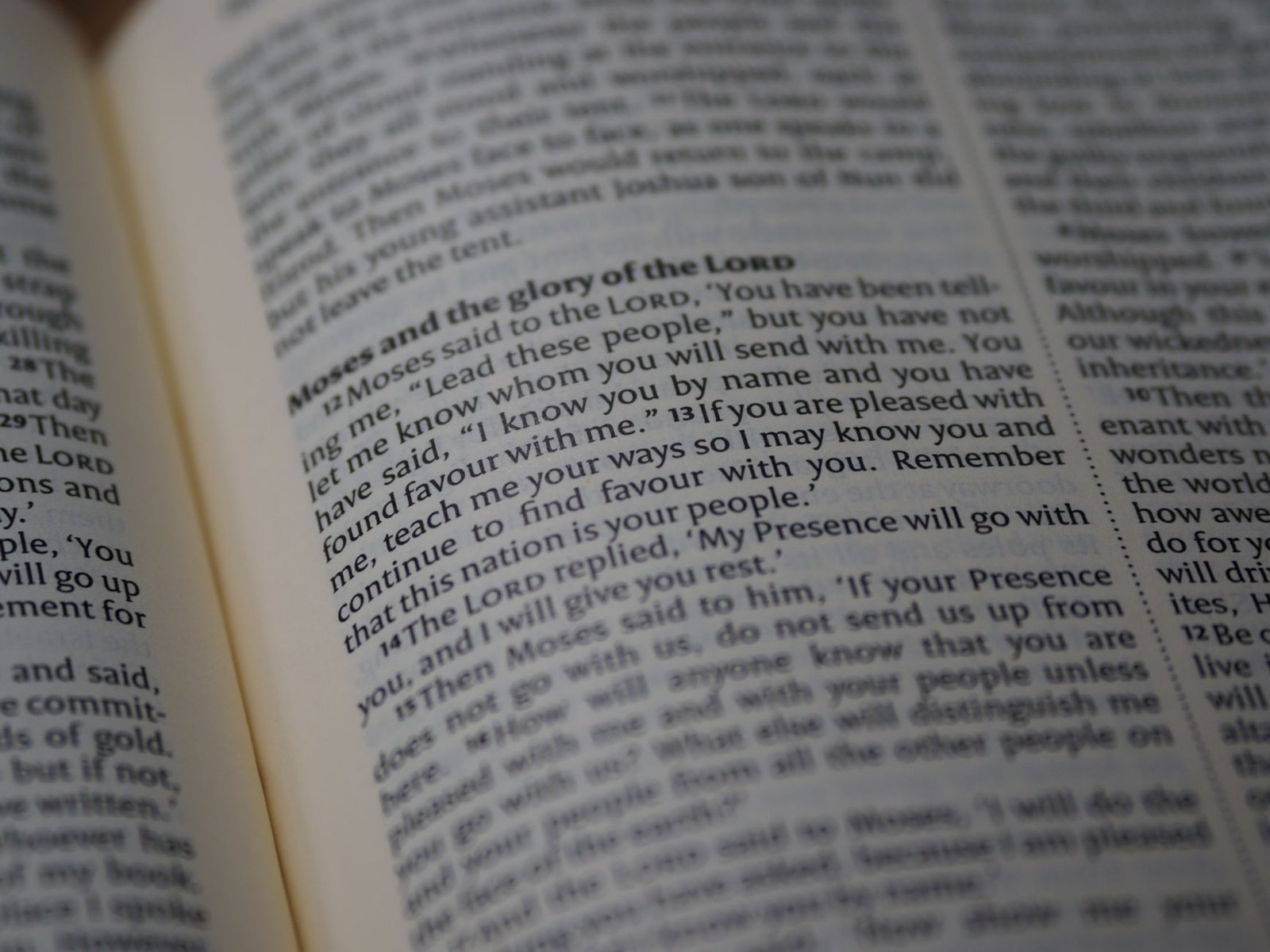
The Call of Moses
Moses’ life begins with a dramatic call that would set the stage for an epic journey of faith. Born in a time when Hebrew male infants were to be killed, Moses was hidden by his mother and eventually raised in Pharaoh’s household. This unique upbringing endowed him with a sense of identity and purpose, yet he struggled with the reality of his people’s suffering.
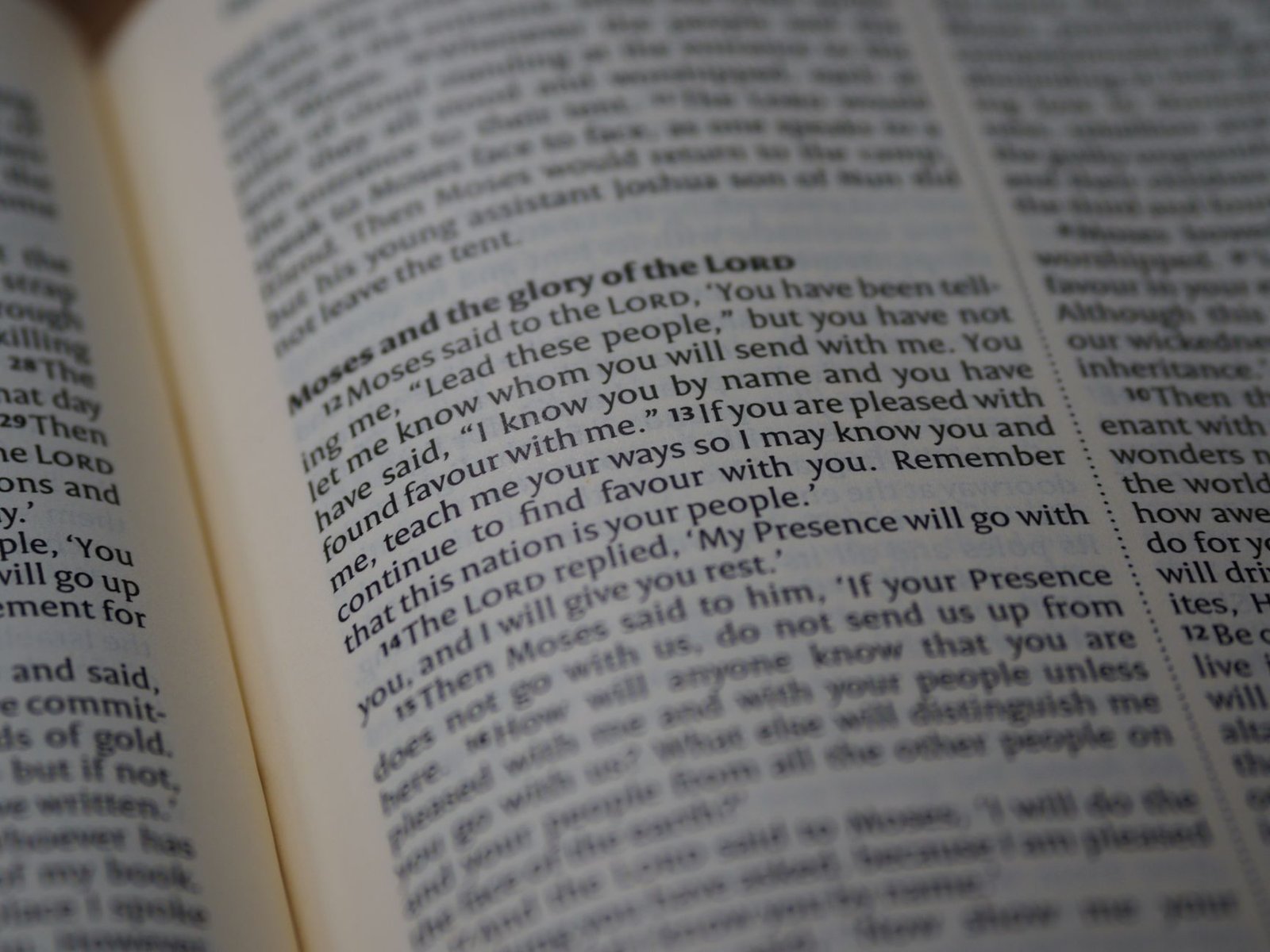
When God called him from the burning bush, Moses was hesitant. He asked, “Who am I that I should go to Pharaoh and bring the Israelites out of Egypt?” This moment embodies a profound lesson in humility and self-awareness. God’s response was not to affirm Moses’ doubts but to emphasize His presence: “I will be with you” – Exodus 3:12. This assurance reminds us that our calling is not based on our abilities but on God’s promise to accompany us.

The Importance of Obedience
Obedience is a central theme in Moses’ life. After his initial reluctance, Moses chose to obey God’s command to confront Pharaoh and demand the release of the Israelites. This act of obedience was not without risk; it placed him in direct opposition to the most powerful ruler of the time.
Moses’ faith-driven obedience teaches us that following God often requires stepping outside our comfort zones. We may not face Pharaohs today, but we encounter various forms of authority and societal pressures that challenge our faith. In these moments, we are reminded that our loyalty lies with God, who calls us to act justly and walk humbly with Him.
Reflection Point
Consider how your own faith journey reflects the lessons learned from Moses. God is always present, guiding you.
Facing Doubts and Fears
Throughout his journey, Moses grappled with doubt and fear. Even after witnessing miraculous signs, such as the plagues and parting of the Red Sea, he continued to struggle with the enormity of his task. When the Israelites complained of hunger and thirst in the wilderness, Moses felt overwhelmed, and he turned to God for guidance.
This interaction highlights an essential lesson: faith does not eliminate doubt but allows us to bring our uncertainties to God. Moses’ vulnerability in expressing his fears demonstrates that God welcomes our honesty. When we face our own struggles, we can take a cue from Moses—turn towards God, who is always ready to listen and provide strength.

God Equips Those He Calls
One of the most profound lessons from Moses’ life is the assurance that God equips those He calls. When God asked Moses to lead the Israelites, He acknowledged Moses’ weaknesses and provided him with Aaron, his brother, to assist him. This partnership exemplifies God’s understanding of our needs and His willingness to provide help.
Moreover, God equipped Moses with signs and wonders to validate his mission. Each miracle served not only to persuade Pharaoh but also to build Moses’ confidence and faith. In our own lives, we may feel inadequate for the tasks ahead, but we must remember that God does not leave us to fend for ourselves. He provides tools, people, and signs to confirm His calling upon our lives.
The Power of Intercession
Moses also serves as a model of intercession. When the Israelites repeatedly sinned against God, Moses stood in the gap for them, pleading for mercy. His heartfelt prayers and willingness to sacrifice his own standing before God highlight the power of intercessory prayer.
In today’s world, we are called to intercede for others—friends, family, and even nations. Moses’ example encourages us to engage in prayer not just as a routine but as a profound act of love and faith. When we pray for others, we align ourselves with God’s heart for them and become vessels of His grace.
Lessons from the Wilderness
The 40 years in the wilderness were not merely a punishment for the Israelites’ lack of faith; they were a time of preparation. Moses learned to lead a stubborn and faithless people, and in doing so, he deepened his own relationship with God. During this time, he received the Law, which would guide the Israelites in their covenant with God.
The wilderness symbolizes a place of testing and growth for all believers. It is often in our most challenging seasons that our faith is refined. As we face trials, we must remember that God uses these moments to shape our character, deepen our reliance on Him, and prepare us for future callings.

The Legacy of Faith
Moses’ life left a lasting legacy of faith that resonates through generations. He is regarded as one of the greatest prophets, a leader who faithfully followed God’s commands despite facing insurmountable challenges. His stories are not just historical accounts; they are spiritual lessons for us today.
Moses teaches us about the importance of perseverance, trust, and the power of faith-filled leadership. His journey reminds us that faith is not merely a destination but a continuous journey. Each step of obedience, each moment of prayer, and every trial faced with God’s help contributes to a life that honors Him.
Applying the Lessons of Moses Today
As we reflect on Moses’ life, we are invited to ask ourselves how we can apply these lessons today. Are we willing to step out in faith, even when we feel inadequate? Are we prepared to obey God’s call, trusting that He will equip us?
We can also consider how we can support others in their faith journeys, just as Aaron supported Moses. Engaging in community, whether through our local churches or small groups, can provide encouragement and strength as we navigate our spiritual paths.
Ultimately, Moses’ story is one of transformation—a journey from a reluctant leader to a faithful servant of God. Each of us is on a similar journey, and like Moses, we are called to embrace our roles, trusting in God’s unfailing guidance.
Conclusion: The Call to Faith
The life of Moses is a powerful testament to the faithfulness of God and the potential within each of us to grow in our faith. His experiences encourage us to trust God in our calling, obey His commands, and intercede for others. As we navigate our own journeys, let us hold fast to the lessons learned from Moses, knowing that God walks with us every step of the way.
The Call to Leadership
Moses’ journey is also a profound study in leadership. Called to lead a nation out of bondage, he exemplified the qualities of a servant leader. His leadership was not characterized by a desire for power or control, but rather by humility and service. When faced with challenges, Moses did not rely solely on his own wisdom but sought God’s guidance. This is illustrated in Exodus 18, when Jethro, Moses’ father-in-law, advised him to delegate responsibilities to trusted leaders among the people.
Key Takeaways
- Moses teaches us to trust God
- Obedience is key to faith
- God equips those He calls
- Faith can grow through challenges
“What you are doing is not good. You and the people with you will certainly wear yourselves out, for the thing is too heavy for you. You are not able to do it alone.” – Exodus 18:17-18
This wise counsel highlights the importance of collaboration and community in leadership. Moses’ willingness to listen and adapt demonstrates that effective leadership involves recognizing our limitations and empowering others. In our own lives, we can apply this lesson by seeking to uplift and mentor those around us, understanding that leadership is about serving others, not merely holding a position of authority.
The Role of Faith in Decision Making
Moses frequently turned to God for direction, especially when faced with tough decisions. One of the most notable instances occurred when he was tasked with leading the Israelites across the Red Sea. As the Egyptian army pursued them, fear gripped the people, and they cried out to Moses. Instead of succumbing to panic, Moses responded with faith.
“Do not be afraid; stand firm and you will see the deliverance the Lord will bring you today.” – Exodus 14:13
This moment emphasizes the critical role of faith in decision making. Moses chose to trust in God’s promises rather than the circumstances surrounding him. In our lives, we often encounter situations that feel impossible. Like Moses, we are called to stand firm in our faith, trusting that God will provide a way even when the path seems unclear. Each decision made in faith strengthens our relationship with God and serves as a testament to His power in our lives.
The Significance of Covenant
Moses was not only a leader but also a mediator of the covenant between God and His people. After leading the Israelites out of Egypt, he ascended Mount Sinai to receive the Ten Commandments, which served as the foundation of their relationship with God. This covenant was a binding agreement that outlined God’s expectations and promises.
“I am making a covenant with you and with Israel… The Lord said to Moses, ‘Write down these words, for in accordance with these words I have made a covenant with you and with Israel.'” – Exodus 34:27
This moment illustrates the importance of understanding our commitments to God and each other. The covenant signifies a deep and abiding relationship, one that is built on faithfulness and obedience. Today, we are invited to consider our own covenants—how we commit to our relationship with God and how we reflect that in our relationships with others. Just as Moses upheld the covenant, we too are called to honor our commitments, embodying God’s love and faithfulness in our interactions.
The Transformative Power of Obedience
Moses’ life serves as a powerful example of the transformative power of obedience to God’s will. His willingness to follow God’s commands, even when faced with immense challenges, showcases the importance of aligning our lives with God’s purpose. Each act of obedience not only impacted Moses’ journey but also the destiny of an entire nation.
“If you fully obey the Lord your God and carefully follow all his commands I give you today, the Lord your God will set you high above all the nations on earth.” – Deuteronomy 28:1
This verse encapsulates the blessings that come from obedience. Moses’ commitment to follow God’s directives led to miraculous events, such as parting the Red Sea and providing manna in the desert. It reminds us that our obedience can unlock God’s power in our lives and the lives of others, leading to extraordinary outcomes. As we navigate our own paths, we, too, must be attentive to God’s voice and willing to act upon His guidance, trusting in His promises.
The Importance of Community in Faith
Moses’ leadership journey highlights the critical role of community in the faith experience. Throughout his time leading the Israelites, he relied on the support of others, including his brother Aaron and the elders of Israel. This interconnectedness demonstrates that faith is not meant to be lived in isolation but in fellowship with others who share a common purpose.
“And let us consider how we may spur one another on toward love and good deeds, not giving up meeting together, as some are in the habit of doing, but encouraging one another.” – Hebrews 10:24-25
This encouragement to meet together resonates with Moses’ experience, where communal worship, shared burdens, and mutual support were essential for the Israelites. In our modern context, we are called to build and nurture communities that uplift one another in faith. Whether through church gatherings, Bible studies, or small groups, allowing ourselves to be vulnerable and connected can lead to deeper relationships with God and each other.
The Power of Visionary Leadership
Moses’ role as a visionary leader is another critical lesson we can draw from his life. He was tasked with not just leading the Israelites out of Egypt, but also guiding them toward the Promised Land—a vision that required immense faith and perseverance. Moses continually cast this vision before the people, reminding them of God’s promises and their purpose as His chosen people.
“The Lord said to Moses, ‘I am going to bring the Israelites out of Egypt by great acts of judgment.'” – Exodus 7:4
Visionary leadership involves more than simply managing tasks; it requires communicating a compelling future that inspires others to follow. Moses’ unwavering focus on God’s promises encouraged the Israelites to keep moving forward, even in the face of adversity. As leaders in our own spheres of influence—be it in family, work, or community—we are called to articulate a vision rooted in faith, fostering hope and motivation among those we lead.
Frequently Asked Questions
What are key faith lessons from Moses?
Key lessons include trusting God despite fears, the importance of obedience, and understanding God equips those He calls.
How did Moses demonstrate obedience to God?
Moses obeyed God by returning to Egypt to lead the Israelites, even when he felt inadequate and afraid.
What challenges did Moses face in his faith journey?
Moses faced numerous challenges, including Pharaoh's resistance, the disbelief of the Israelites, and his own doubts about his leadership.
How can we apply Moses' lessons to our lives today?
We can apply Moses' lessons by trusting God in uncertainty, staying obedient to His call, and seeking His presence in challenges.
Final Thoughts
Reflecting on Moses’ life, we find encouragement to persevere in faith, embrace obedience, and trust that God is with us in every step.