Abraham, originally named Abram, is a central figure in the Bible, often referred to as the father of faith. His story is not just a historical account; it serves as a model for believers in every generation who seek to understand what it means to trust God fully. Through the twists and turns of his life, we see a profound journey of faith that began with a divine call and was marked by obedience, trials, and God’s unwavering promises.
The Call of Abraham
Abraham’s journey begins in Ur of the Chaldeans, where he was called by God to leave his homeland and venture into the unknown. This call was not merely a suggestion; it was a directive that required Abraham to act. In his obedience, he left behind everything familiar—his family, his culture, and his comfort. This act of faith is monumental and sets the tone for his entire journey.
As we reflect on this call, it’s evident that God often calls us to step out of our comfort zones. The call to Abraham illustrates that faith often requires us to leave behind what we know and trust in God’s plan for our future. It challenges us to consider what God may be asking us to relinquish in our own lives for the sake of following Him.

The Journey of Faith Begins
After leaving Ur, Abraham traveled to Haran and eventually to Canaan, a land God promised to show him. The journey was not without its challenges. Abraham faced numerous trials, including famine and the threat of conflict. Yet, through every difficulty, he learned to rely on God’s provision. His faith was not static; it grew and deepened through each challenge he encountered.
In our lives, we may also face seasons of uncertainty and struggle. Just as Abraham learned to trust God amid challenges, we, too, are invited to lean on God’s faithfulness. It is through these very trials that our faith can be strengthened and refined.
<h2<Abraham and God's Promises
Throughout Abraham’s journey, God made several significant promises to him. He promised that Abraham would become the father of a great nation and that his descendants would be as numerous as the stars in the sky. Despite the years that passed, during which Abraham and his wife Sarah struggled with infertility, he remained steadfast in his belief that God would fulfill His promises.
This aspect of Abraham’s story highlights that faith often involves waiting—waiting for God’s timing, which is often different from our own. It teaches us patience and trust in God’s perfect plan. Abraham’s unwavering belief, even when circumstances seemed impossible, exemplifies a deep-rooted faith that we can aspire to emulate.

Reflection Point
Reflect on how God has called you to trust Him in your own life, even when the path is uncertain.
The Test of Sacrifice
One of the most profound moments in Abraham’s faith journey occurs when God tests him by asking him to sacrifice his son Isaac. This command must have pierced Abraham’s heart, yet he prepared to obey without hesitation. The act of taking Isaac to Mount Moriah is a testament to Abraham’s remarkable faith and trust in God.
As Abraham prepared to sacrifice Isaac, he demonstrated an extraordinary level of obedience, believing that God could raise Isaac from the dead if necessary. This moment challenges us to consider what we hold dear and whether we are willing to surrender it to God. The willingness to sacrifice for God often leads to deeper intimacy with Him and greater trust in His plans.
The Covenant with Abraham
In Genesis, God establishes a covenant with Abraham, symbolized by the act of circumcision. This covenant signifies God’s commitment to Abraham and his descendants, affirming the promises made earlier. Through this covenant, God assures Abraham that he is chosen for a unique purpose—that through him, all nations will be blessed.
This covenantal relationship illustrates the importance of God’s promises and how they extend beyond the individual to impact generations. It reminds us that God desires a relationship with us, one that is rooted in trust and mutual faithfulness.
Faith Amid Doubt
Even the father of faith experienced moments of doubt. When faced with the reality of Sarah’s barrenness, Abraham attempted to fulfill God’s promise through his own means by fathering a child with Hagar, leading to the birth of Ishmael. This decision resulted in conflict and complications, showcasing the consequences of stepping outside of God’s plan.
Abraham’s struggle with doubt resonates with us all. It serves as a reminder that faith is not the absence of doubt but the ability to trust God despite it. In our moments of uncertainty, we can take comfort in knowing that God is patient and gracious, guiding us back to His will.

The Legacy of Abraham’s Faith
Abraham’s faith journey culminated in a legacy that has inspired countless believers. His story is foundational to Judaism, Christianity, and Islam, showcasing him as a figure of faith across these major religions. The New Testament also refers to Abraham’s faith, illustrating how he is a model for all who seek to trust in God.
The legacy of Abraham encourages us to live a life of faith that impacts those around us. Our journey of faith can influence future generations, reminding us that our obedience and trust in God can have far-reaching effects.
Faithful to the End
As Abraham neared the end of his life, he remained faithful to God’s promises. He witnessed the birth of Isaac and saw God’s faithfulness in fulfilling His covenant. Abraham died with a heart full of trust, knowing that God would continue to work through his lineage.
This conclusion to Abraham’s journey teaches us about perseverance in faith. No matter the trials we face, we are called to remain steadfast, trusting that God will fulfill His promises. As we reflect on our own faith journey, let us hold on to God’s faithfulness, knowing that He is with us every step of the way.
Applying Abraham’s Journey to Our Lives
Abraham’s faith journey offers invaluable lessons for our own lives. We are reminded that faith is often a journey of stepping out into the unknown, waiting patiently for God’s promises, and trusting in His plan. Each step we take in faith can lead to transformative experiences and a deeper understanding of God’s character.
In our modern context, we can apply Abraham’s lessons by being open to God’s call, even when it disrupts our plans. This might mean pursuing a new job, moving to a new city, or engaging in a ministry that seems daunting. Whatever the call, we can look to Abraham’s example of obedience and trust.
Embracing a Life of Faith
The story of Abraham encourages us to embrace a life of faith characterized by trust, obedience, and a willingness to sacrifice. As we navigate our own journeys, let us be inspired by Abraham’s unwavering commitment to God. His life reminds us that God is faithful, and His promises are worth waiting for.
In embracing faith, we can cultivate a deeper relationship with God. This journey is not about achieving perfection but about moving forward in trust, learning to rely on God’s grace and guidance. Abraham’s life is a testament to the beauty of following God’s call, and through it, we can find purpose, direction, and hope in our own journeys.
The Covenant with God
As Abraham’s journey continued, God established a profound covenant with him, promising not only land but also descendants as numerous as the stars. This covenant serves as a pivotal moment in Abraham’s life and in the biblical narrative. God’s promise was clear: Abraham would become the father of a great nation.
Key Takeaways
- Abraham's faith began with a call
- Trust in God requires action
- Obedience is often tested
- God's promises are fulfilled in His time
“I will make you into a great nation, and I will bless you; I will make your name great, and you will be a blessing.” – Genesis 12:2
This promise required Abraham to hold onto hope, even when circumstances seemed impossible. At the age of 75, he was childless, and the promise of numerous descendants appeared far-fetched. Yet, Abraham believed in God’s faithfulness, showcasing a vital aspect of the faith journey: trusting in God’s promises despite visible obstacles.
The Testing of Faith
One of the most significant tests of Abraham’s faith occurred when God commanded him to sacrifice his son Isaac. This extraordinary request placed Abraham in a harrowing situation, forcing him to confront the depth of his trust in God. Would he obey, even when it seemed to contradict God’s earlier promise?
“Take your son, your only son, whom you love—Isaac—and go to the region of Moriah. Sacrifice him there as a burnt offering.” – Genesis 22:2
Abraham’s willingness to comply, even in the face of such a painful demand, illustrates the essence of faith: a deep-rooted trust in God’s character and plan. As he prepared to sacrifice Isaac, God intervened, providing a ram as a substitute offering. This event not only solidified Abraham’s faith but also foreshadowed God’s ultimate sacrifice through Jesus Christ.
The Legacy of Faith
Abraham’s faith journey did not conclude with his life; instead, it laid the foundation for future generations. His unwavering belief in God’s promises established him as a model of faith, inspiring countless believers throughout history. The New Testament frequently references Abraham, emphasizing his righteousness through faith.
“Abram believed the Lord, and he credited it to him as righteousness.” – Genesis 15:6
The legacy of Abraham extends beyond his immediate descendants, as he is recognized as the father of faith in Judaism, Christianity, and Islam. His life encourages us to pursue a relationship with God grounded in trust and obedience, reminding us that our faith journeys can impact not only our lives but also the lives of those who follow after us.
God’s Covenant with Abraham
As Abraham journeyed through Canaan, God established a covenant with him that would have profound implications not only for Abraham but for all of humanity. This covenant was a promise that Abraham would become the father of a great nation, and that through him, all the families of the earth would be blessed. God reassured Abraham of His commitment with the words:
“To your offspring I will give this land.” – Genesis 12:7
God’s covenant was significant because it was rooted in grace and faith rather than Abraham’s performance. Despite his imperfections and doubts, God remained faithful to His promise. This aspect of the covenant illustrates that our relationship with God is based on His faithfulness, not our ability to uphold our end of the bargain.
In our own faith journeys, we can take comfort in the fact that God does not abandon His promises. Just as He was with Abraham, He walks with us, ensuring that His plans for us are fulfilled according to His timing and purpose.
Abraham’s Faith Tested
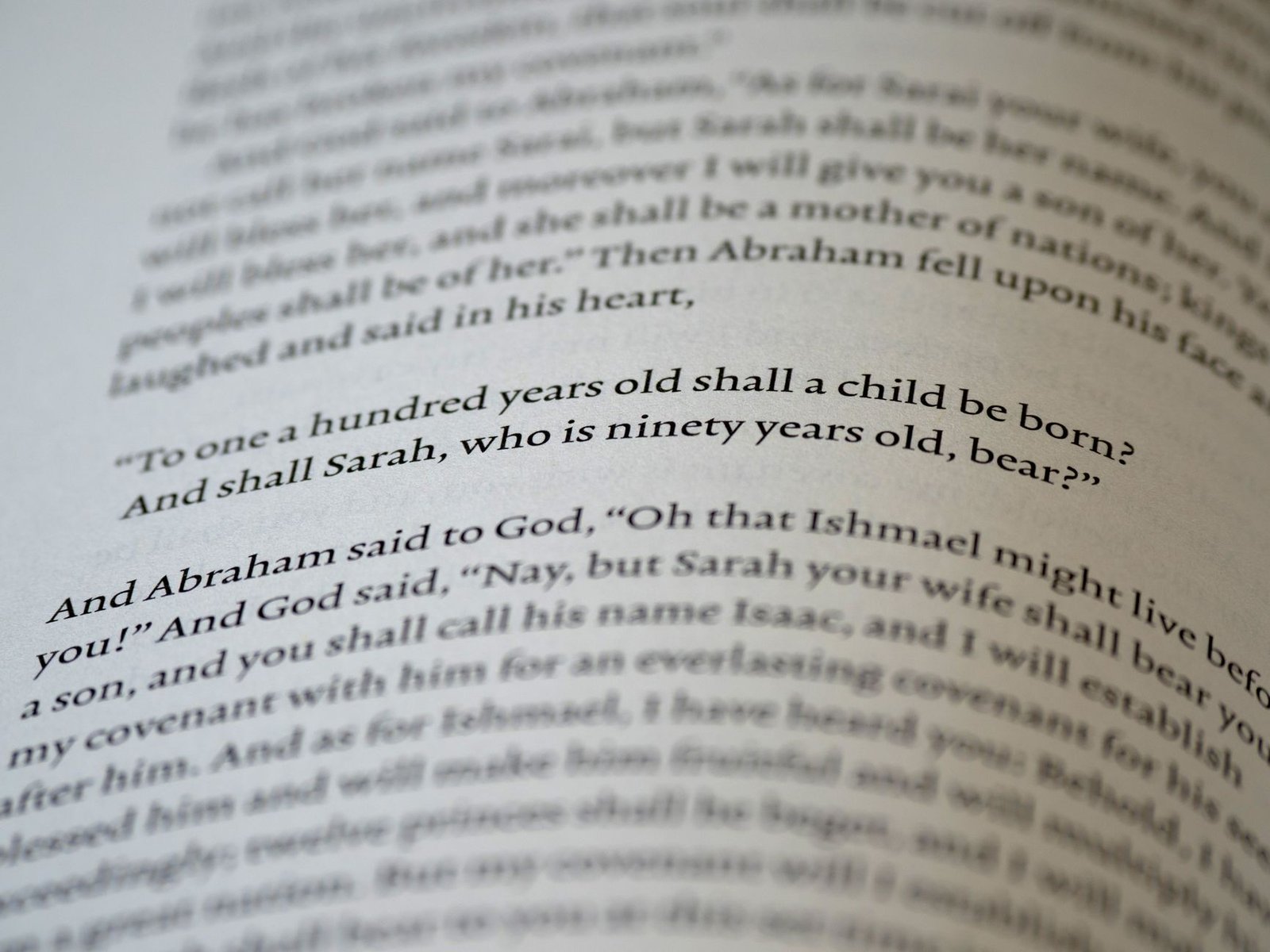
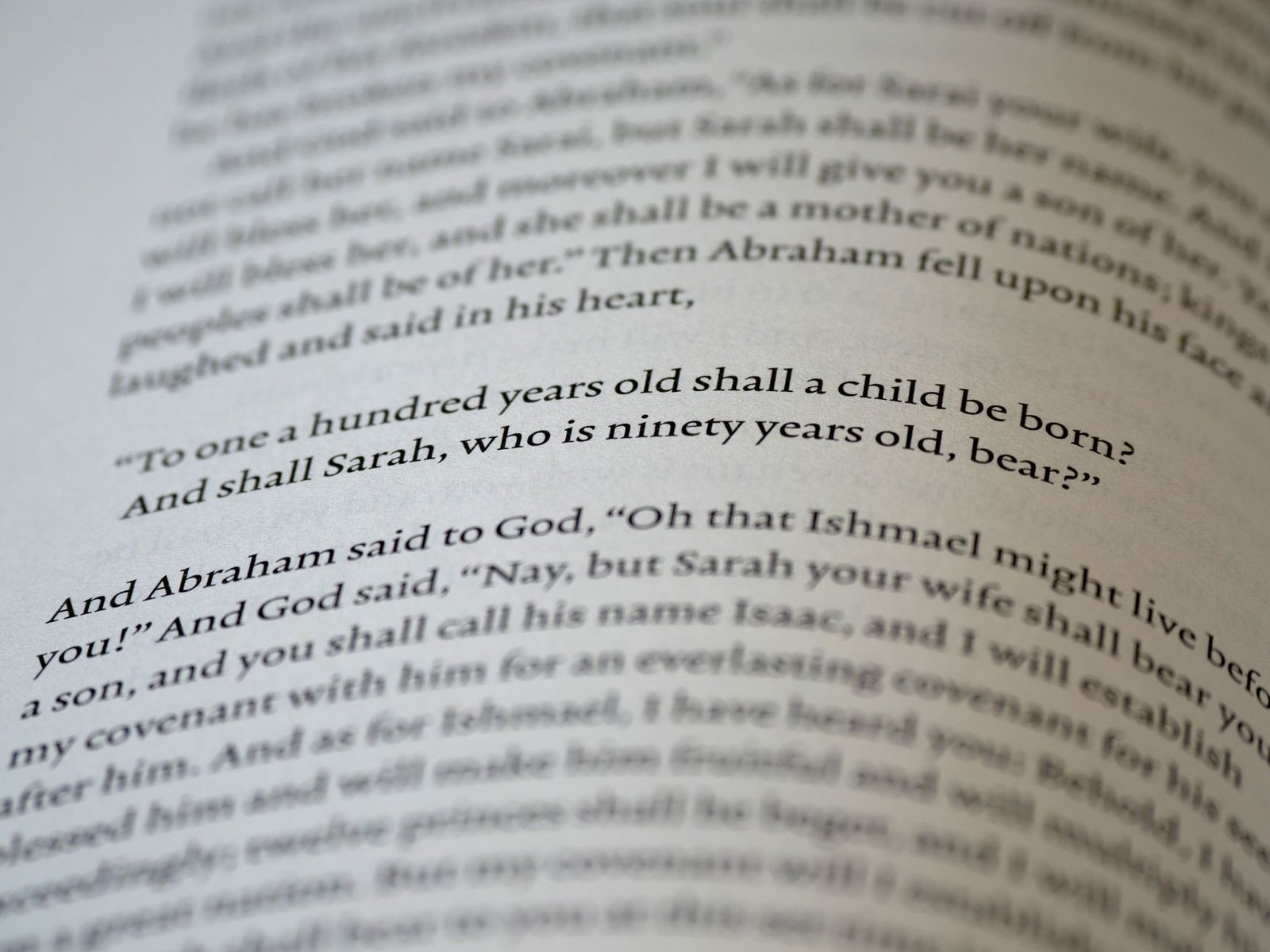
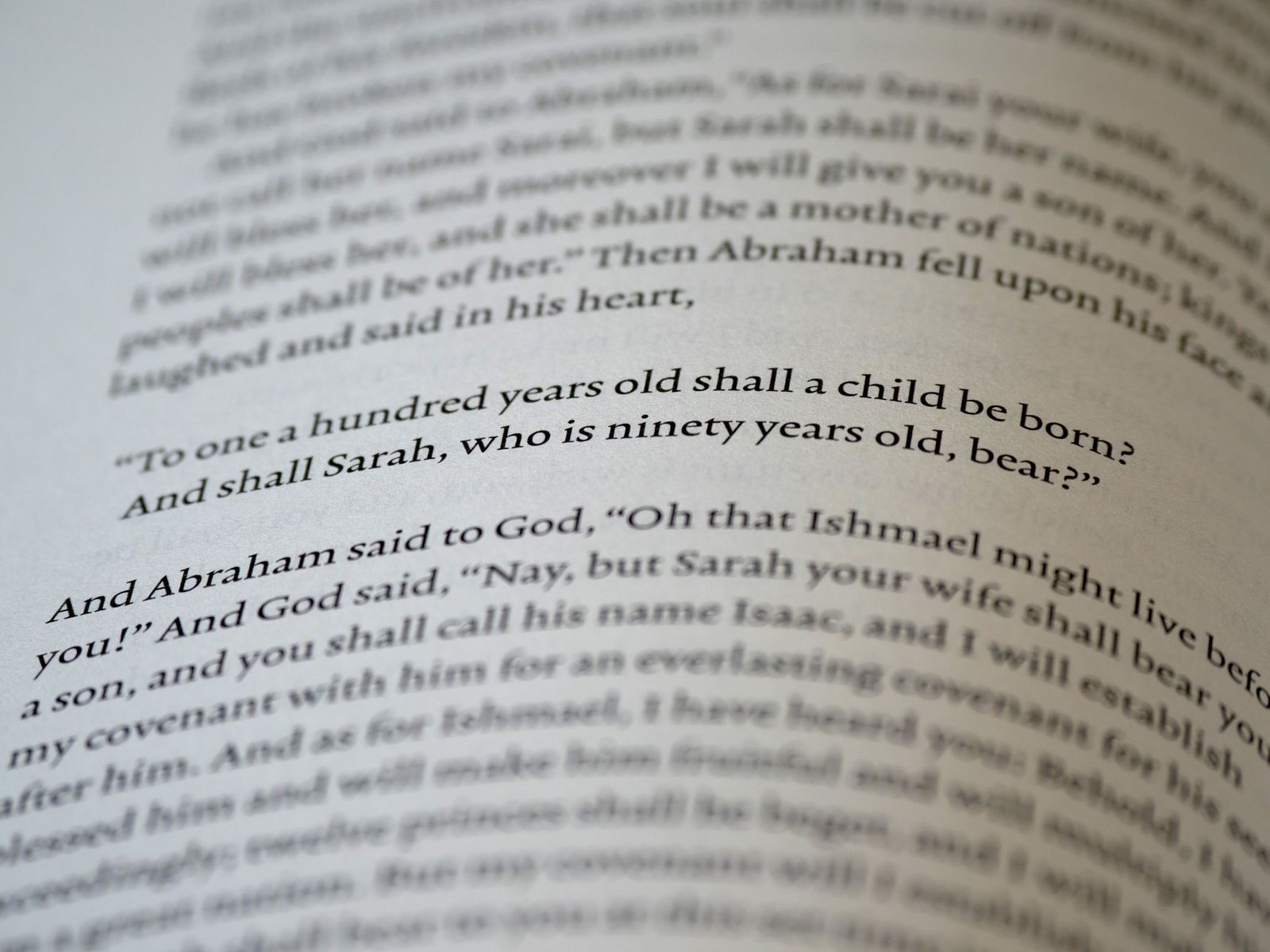
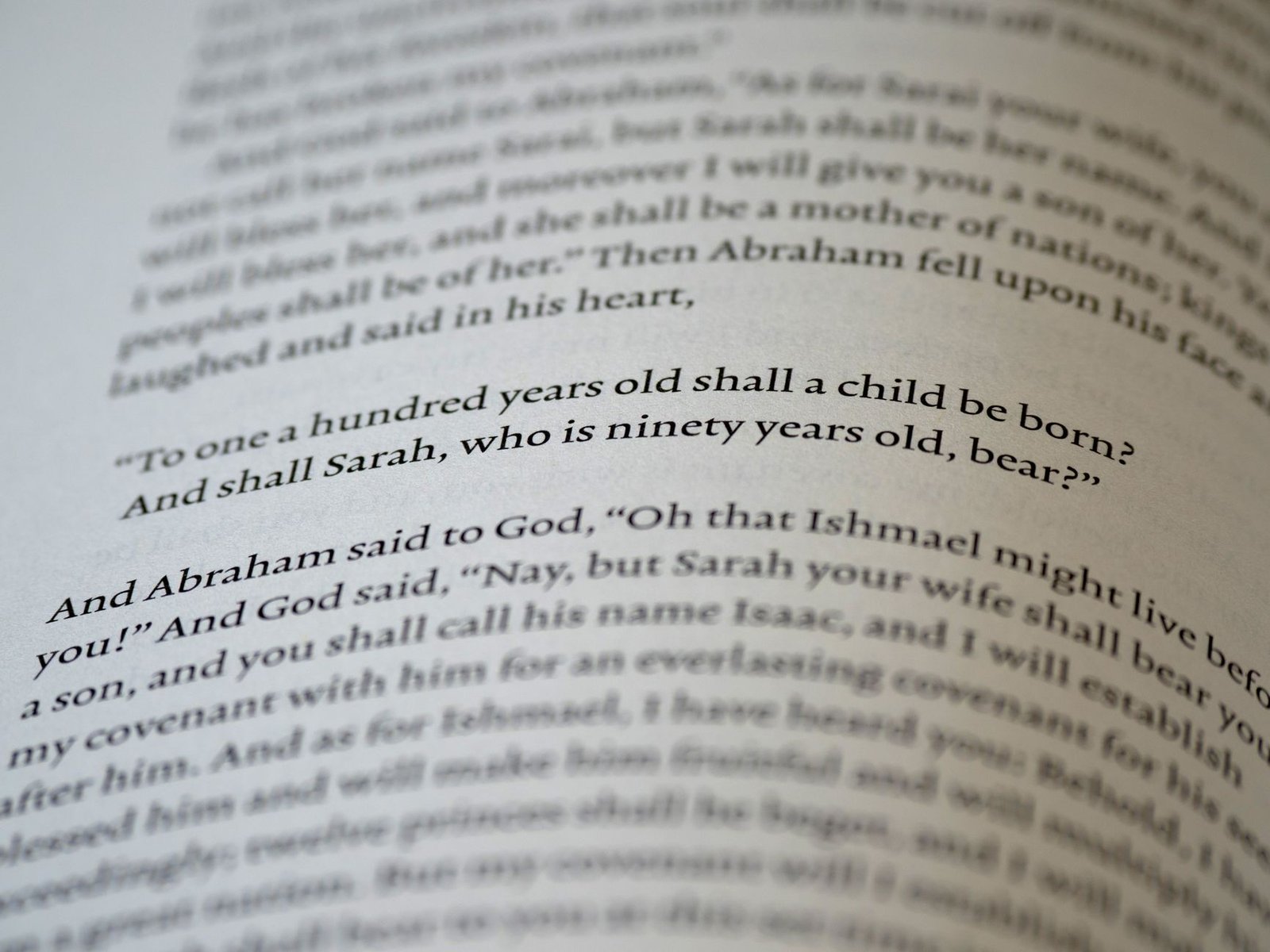
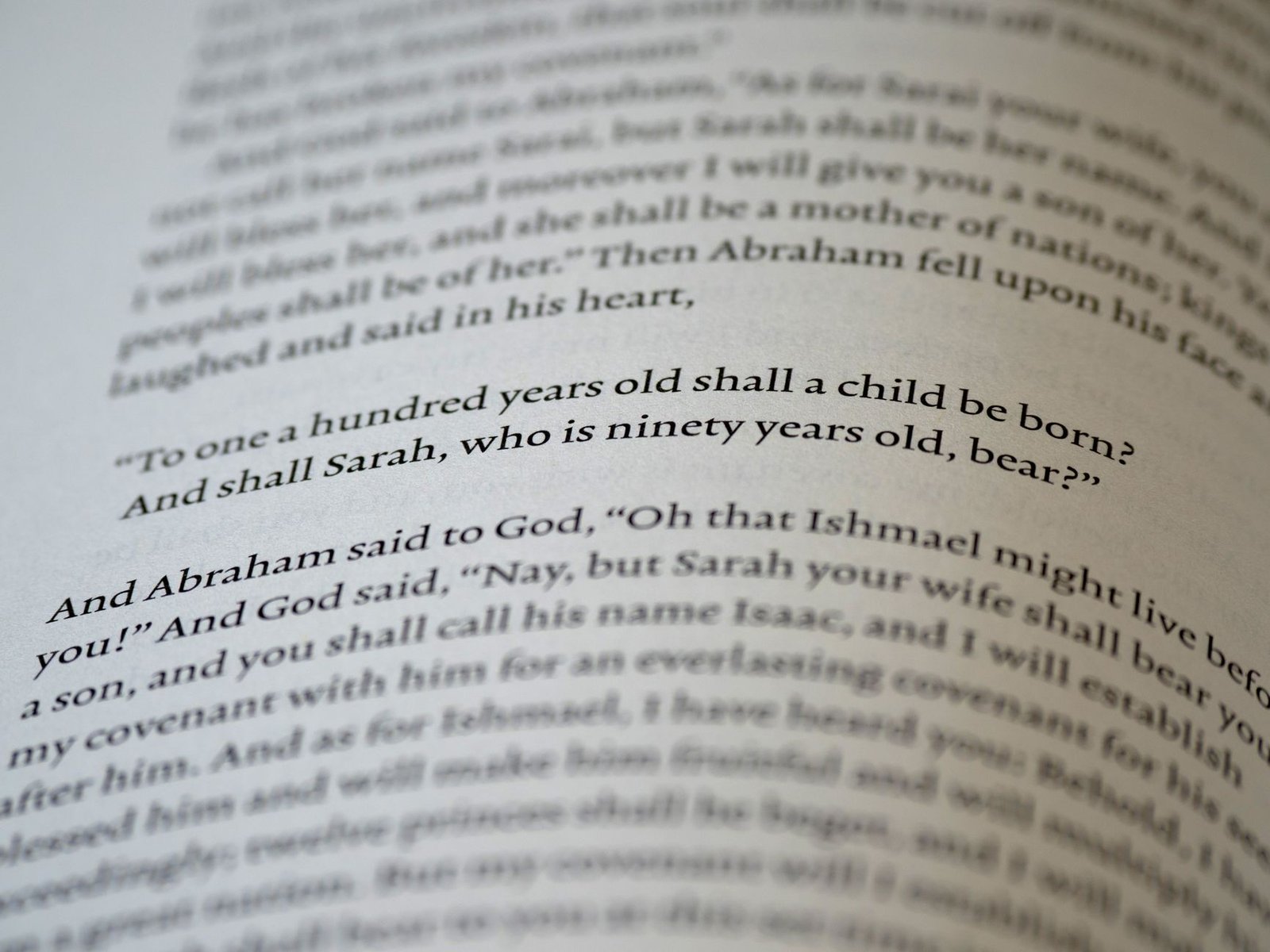
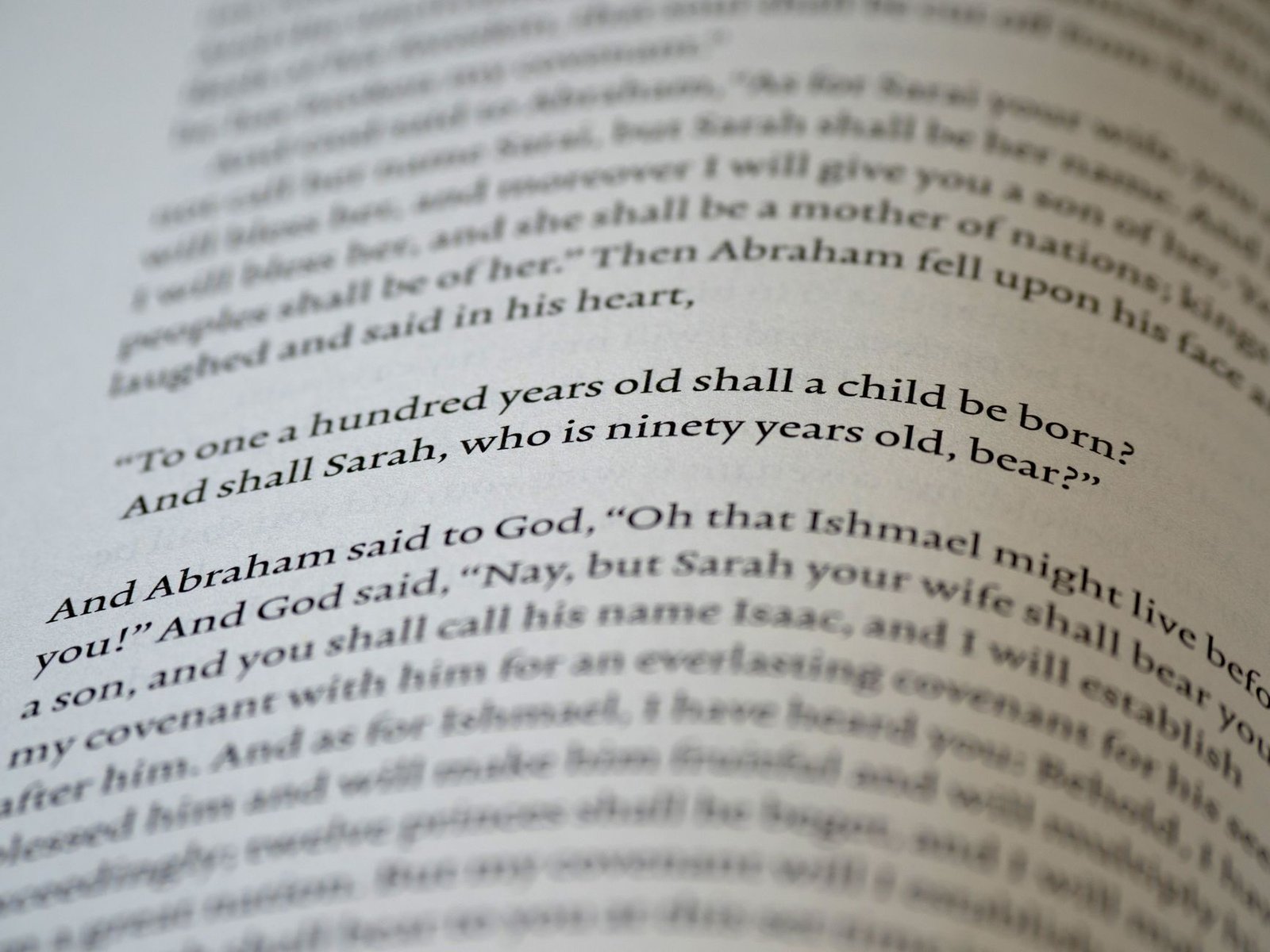
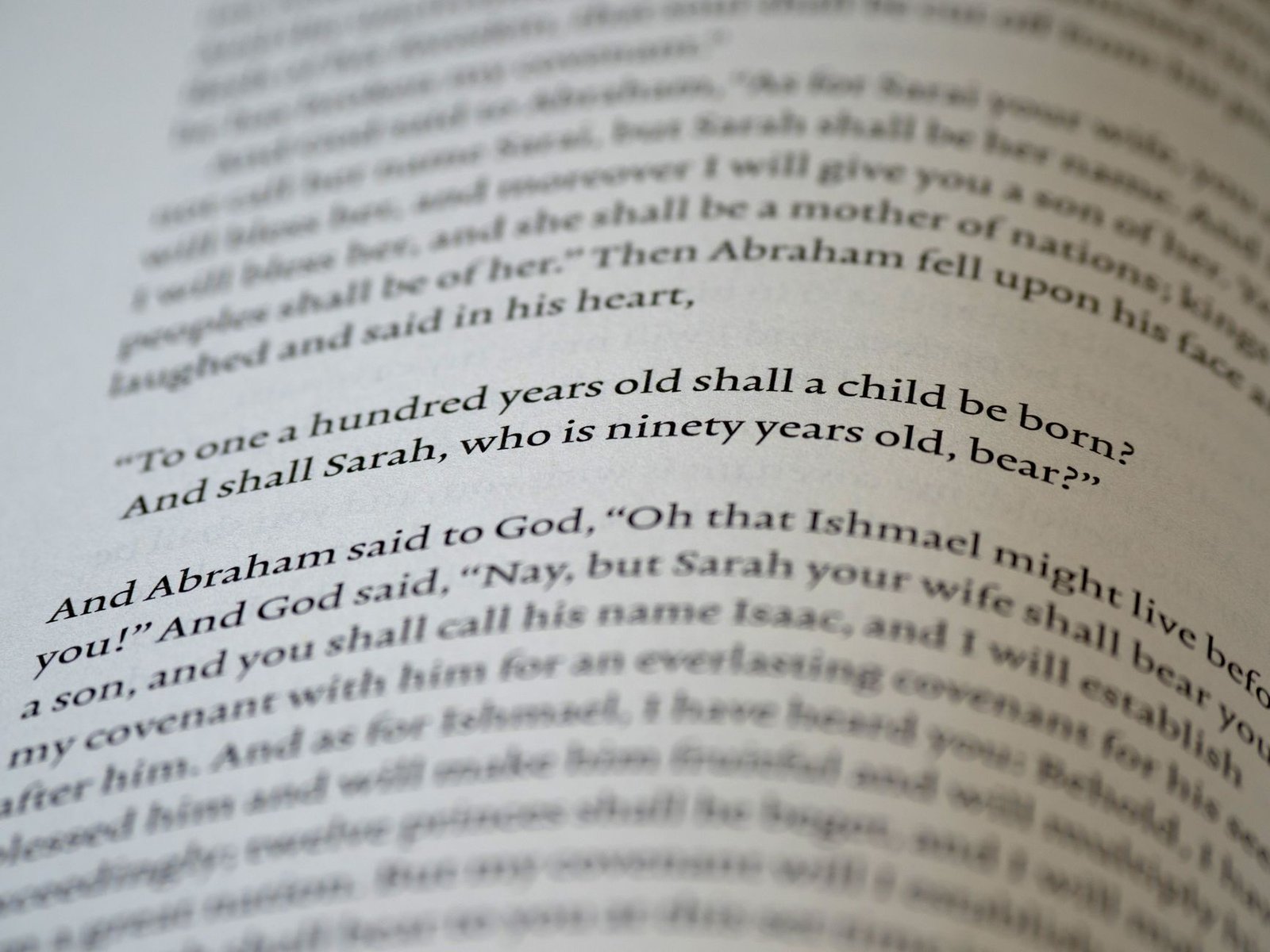
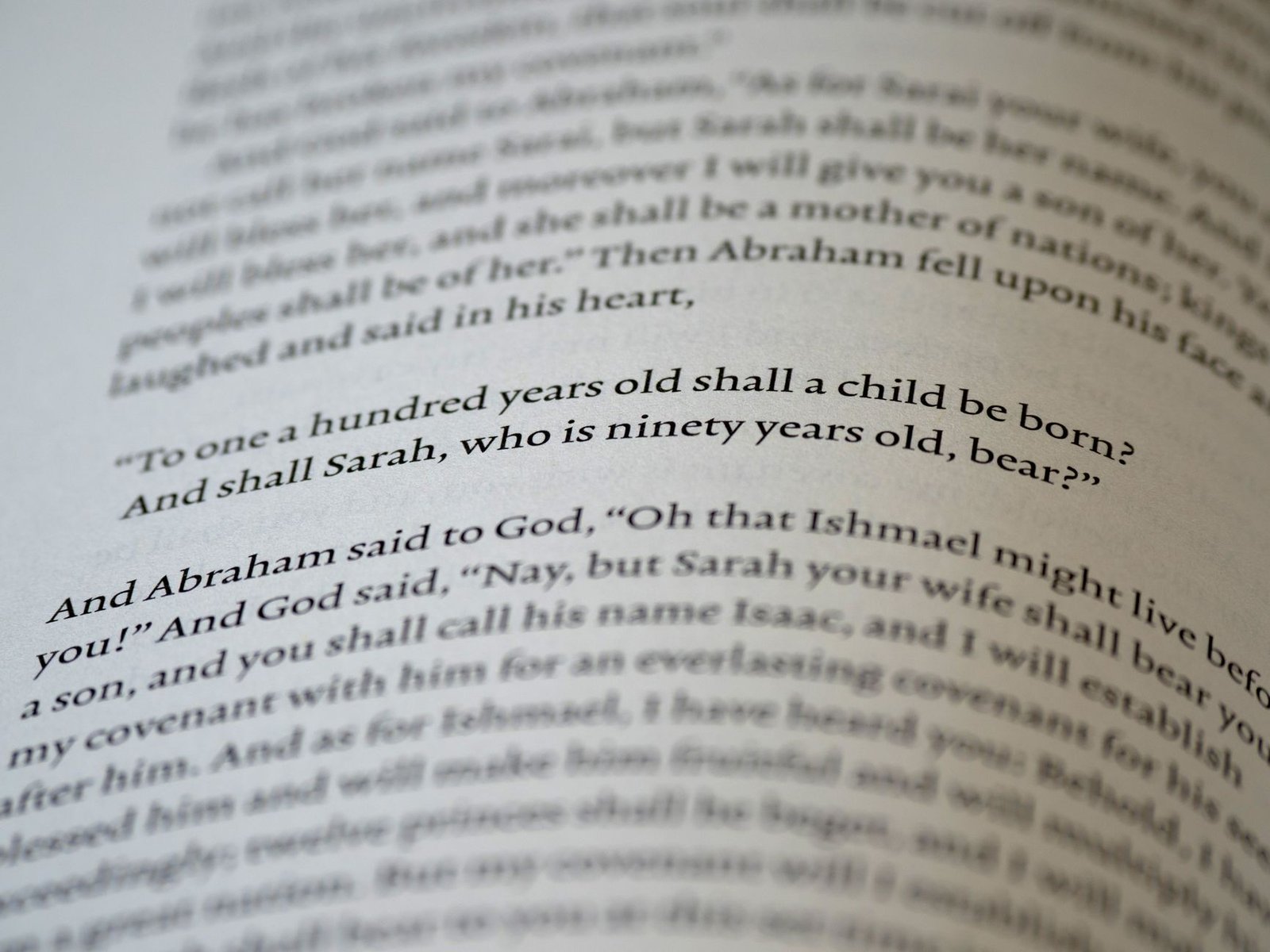
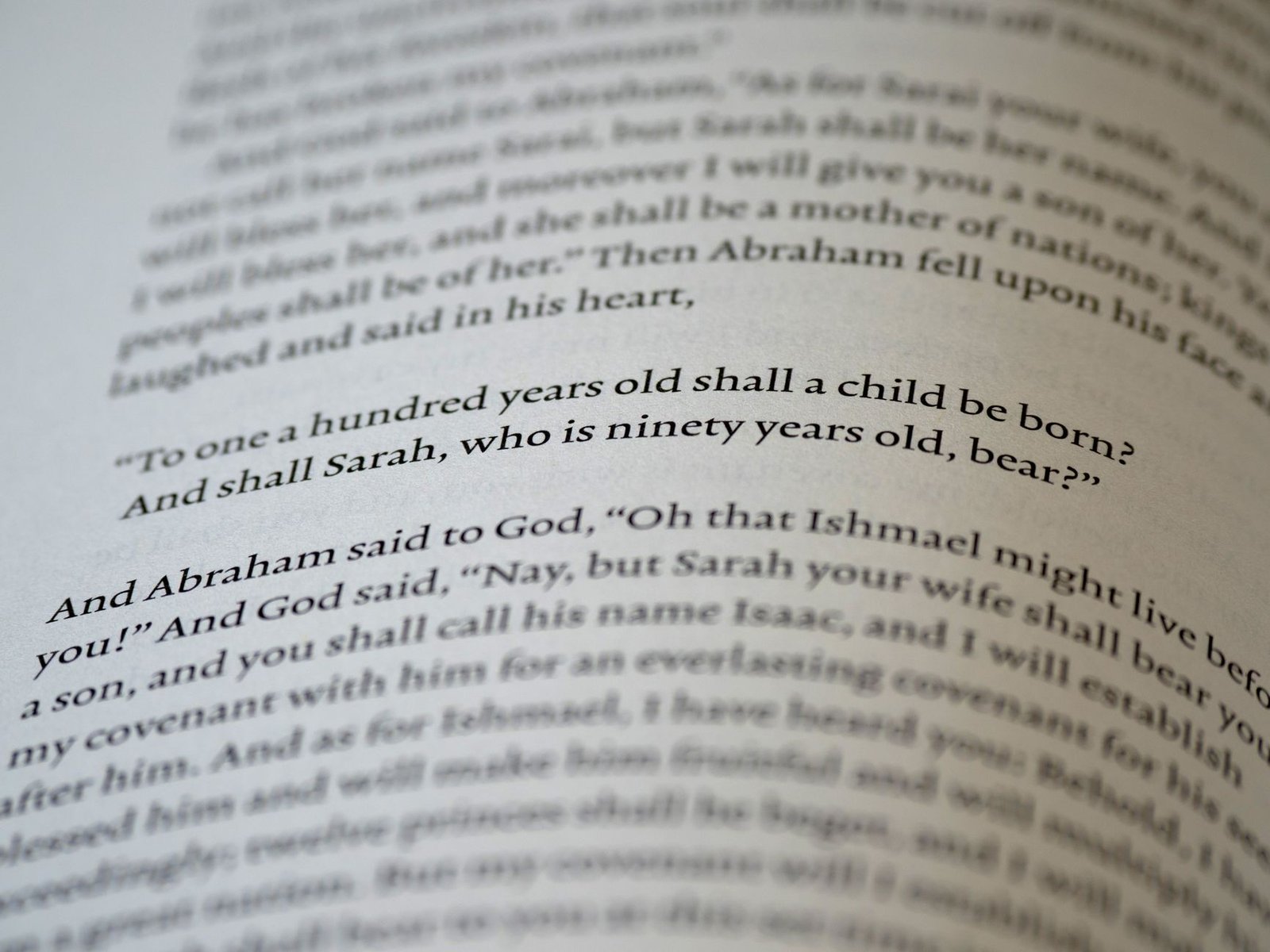
As the years passed, Abraham and his wife Sarah faced the challenge of barrenness. Despite the promises God made, they struggled with doubt and impatience, leading them to take matters into their own hands. This culminated in the birth of Ishmael, but God reaffirmed His covenant with Abraham, promising that Sarah would bear a son:
“I will bless her, and moreover, I will give you a son by her.” – Genesis 17:16
Abraham’s faith was tested repeatedly, and when he was nearly one hundred years old, God fulfilled His promise with the birth of Isaac. This moment was pivotal in Abraham’s faith journey, demonstrating that God’s timing is not always aligned with our expectations. Abraham learned that true faith involves waiting on God and trusting His plan, even when circumstances seem impossible.
The Ultimate Test of Faith
Perhaps the most profound moment in Abraham’s faith journey came when God commanded him to sacrifice Isaac, the son he had waited so long for. This test was not merely a trial, but a revelation of Abraham’s deep faith and trust in God’s character. Abraham obeyed, demonstrating a willingness to surrender the very promise that God had given him:
“Take your son, your only son, whom you love, and go to the region of Moriah. Sacrifice him there as a burnt offering.” – Genesis 22:2
As Abraham prepared to sacrifice Isaac, God intervened at the last moment, providing a ram as a substitute. This event is a powerful testament to the depth of Abraham’s faith and foreshadows God’s own sacrifice of His Son, Jesus Christ. It illustrates that true faith involves trusting God even when His commands are difficult to understand.
In our lives, we may face moments where we are called to surrender our dreams, plans, or loved ones to God. Abraham’s story encourages us to trust in God’s goodness and faithfulness, knowing that He has a purpose in every test we face.
Abraham’s Covenant with God
One of the pivotal moments in Abraham’s faith journey is the establishment of the covenant between God and Abraham. This covenant was a profound promise that would shape not only Abraham’s life but also the destiny of nations. In Genesis 15, God reassures Abraham about his future offspring, stating, “Look toward heaven, and number the stars, if you are able to number them… So shall your offspring be.” – Genesis 15:5. This moment marked a significant turning point, as Abraham believed God, and it was counted to him as righteousness.
The covenant underscores the importance of faith in God’s promises. Abraham’s belief in what seemed impossible—a multitude of descendants from his old age—demonstrates how faith involves trusting God beyond our understanding. It reminds us that God’s promises often transcend our immediate circumstances and that faith is a commitment to believe in His word, even when it is difficult to see how it can come to pass.
The Test of Sacrifice
Another defining episode in Abraham’s life is the test of sacrifice when God asked him to offer his son Isaac as a burnt offering. This command came as a shock, considering that Isaac was the child of promise, born after many years of waiting. In Genesis 22, despite the heart-wrenching nature of the command, Abraham obeyed without hesitation. He took Isaac to the mountain and prepared to sacrifice him, demonstrating an extraordinary level of trust in God’s plan.
“Do not lay your hand on the boy or do anything to him, for now I know that you fear God, seeing you have not withheld your son, your only son, from me.” – Genesis 22:12
This story serves as a profound illustration of faith and obedience. Abraham’s willingness to sacrifice what was most precious to him reveals that true faith often requires us to surrender our desires and trust in God’s ultimate goodness. The provision of the ram as a substitute sacrifice reminds us that God provides for our needs, even in the most challenging tests of faith.
Abraham’s Legacy of Faith
Abraham’s journey culminates in a legacy that extends far beyond his lifetime. He is referred to as the “father of many nations,” and his faith is celebrated throughout the Scriptures. In Romans 4, Paul reflects on Abraham’s faith, stating, “In hope he believed against hope, that he should become the father of many nations.” – Romans 4:18. This legacy is not just about physical descendants but also about a spiritual inheritance that includes all who share in the faith of Abraham.
The implications of Abraham’s faith journey resonate with us today. His life exemplifies how faith can lead to profound blessings, not only for ourselves but also for future generations. We are encouraged to follow in his footsteps, trusting God and stepping out in faith, knowing that our actions can have a lasting impact, just as Abraham’s did.
Frequently Asked Questions
What was the significance of Abraham's faith journey?
Abraham's faith journey is significant as it exemplifies unwavering trust in God, showcasing how faith can lead to divine promises and blessings.
How did Abraham demonstrate his faith in God?
Abraham demonstrated his faith through obedience, such as leaving his homeland, trusting God for a son, and being willing to sacrifice Isaac.
What can we learn from Abraham's relationship with God?
We learn that a personal relationship with God involves trust, dialogue, and obedience, reflecting God's faithfulness in our lives.
How does Abraham's story relate to our lives today?
Abraham's story encourages us to trust God amidst uncertainties, reminding us that faith can lead to transformative experiences and God's promises.
Final Thoughts
Abraham's journey serves as a timeless reminder of the beauty of faith and obedience. As we navigate our own paths, may we find inspiration in his unwavering trust in God.