Pain and illness have a way of narrowing our vision. When sickness strikes—whether a sudden diagnosis, a lingering chronic battle, or deep emotional heartache—our world can shrink to the size of a doctor’s report, a hospital room, or a quiet ache in the soul. In those heavy seasons, the heart naturally turns toward heaven with urgent questions: Does God see me? Does He care? Will He heal me?
The Scriptures do not brush past human suffering or treat physical pain as trivial. From Genesis to Revelation, God presents Himself to His people as a loving Father who cares deeply for the whole person—body, mind, and spirit. Understanding what the Bible teaches about healing requires looking closely at God’s revealed character, the ministry of Jesus Christ, the role of prayer in the Christian community, and the ultimate hope of eternal restoration.
The God Who Identifies as Healer
To understand biblical healing, we must begin not with our physical circumstances, but with the character of God Himself. Shortly after leading the Israelites out of bondage in Egypt and through the waters of the Red Sea, God led them into the desert. There, amidst physical fatigue and uncertainty, He revealed something foundational about His nature.
“He said, ‘If you listen carefully to the LORD your God and do what is right in his eyes, if you pay attention to his commands and keep all his decrees, I will not bring on you any of the diseases I brought on the Egyptians, for I am the LORD, who heals you.'” – Exodus 15:26
The name God reveals here is Yahweh Rapha—the Lord who heals. Healing is not merely a distant task God performs on rare occasions; it is an intrinsic expression of His nature. King David echoed this truth centuries later in the Psalms, reminding his own heart to praise God for His boundless goodness:
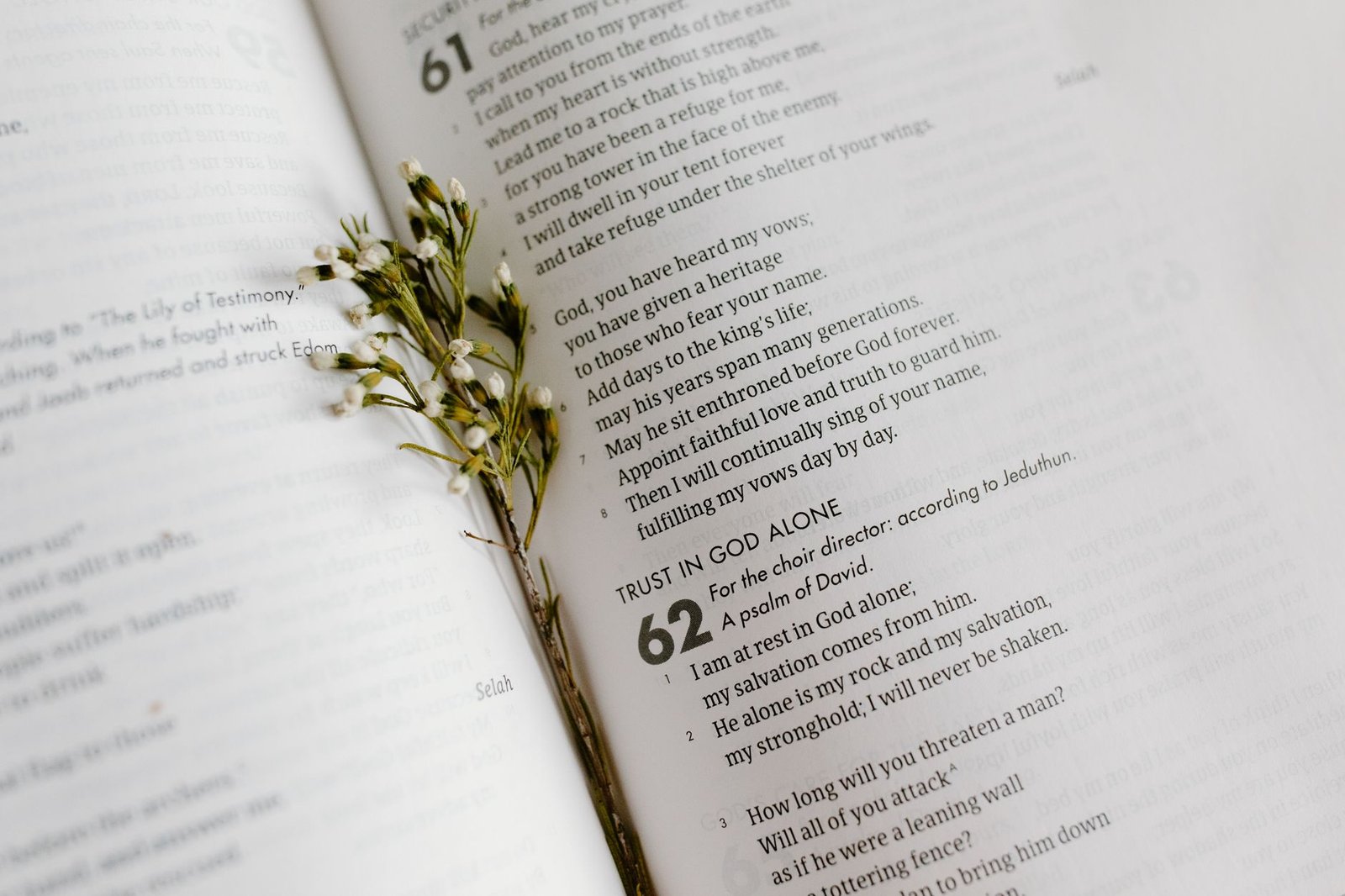
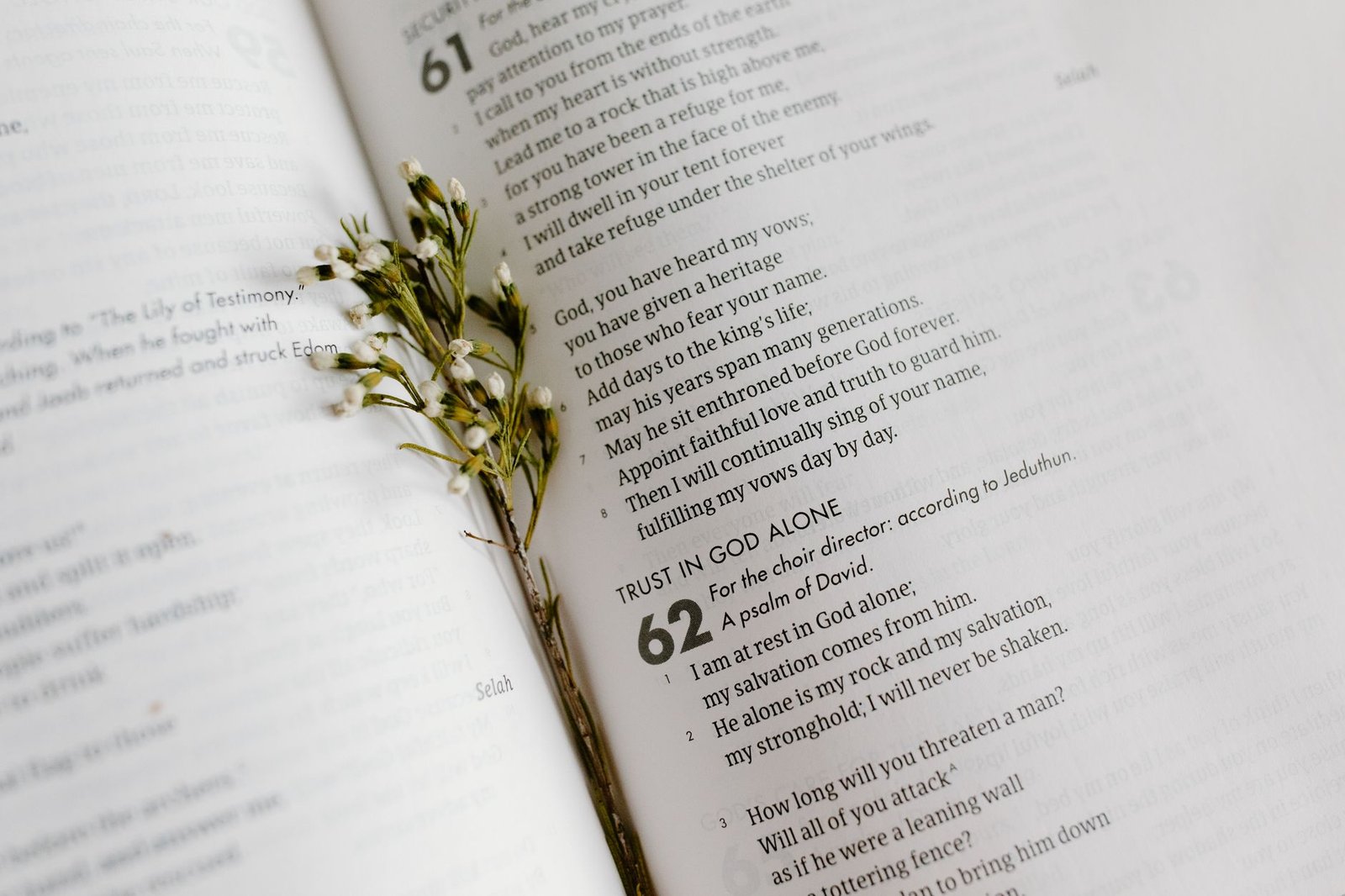
“Praise the LORD, my soul, and forget not all his benefits—who forgives all your sins and heals all your diseases…” – Psalm 103:2-3
God’s desire for human wholeness flows from His covenant love. He created human beings with physical bodies, and He cares deeply about the pain, decay, and brokenness that entered the world through sin.
Jesus and the Demonstration of Divine Compassion
When God stepped into human history in the person of Jesus Christ, His earthly ministry was marked by an extraordinary abundance of healing. Everywhere Jesus traveled, the sick gathered. He cleansed lepers, restored sight to the blind, enabled the paralyzed to walk, and raised the dead.
Crucially, Jesus never treated suffering people as mere theological illustrations or spiritual projects. The Gospel accounts record that when Jesus looked upon the crowds of sick and broken people, He was moved with profound compassion. Healing was the natural overflow of His love for broken image-bearers.
“When evening came, many who were demon-possessed were brought to him, and he drove out the spirits with a word and healed all the sick. This was to fulfill what was spoken through the prophet Isaiah: ‘He took up our infirmities and bore our diseases.'” – Matthew 8:16-17
In fulfilling Isaiah’s ancient prophecy, Jesus demonstrated that His redemptive work addressed the full scope of human brokenness. By dying on the cross, He dealt decisively with sin, which is the ultimate root cause of all decay in creation. Isaiah pointed forward to this glorious redeeming work:
“But he was pierced for our transgressions, he was crushed for our iniquities; the punishment that brought us peace was on him, and by his wounds we are healed.” – Isaiah 53:5
While the complete fulfillment of freedom from all physical pain awaits the final resurrection, Jesus’ earthly miracles provided a vivid, real-world foretaste of the kingdom of God breaking into our fallen world.
The Practice of Prayer and the Fellowship of Believers
The New Testament clearly instructs believers to pray for bodily and spiritual restoration. Healing is not meant to be a lonely struggle carried in isolation; God designed the church to walk alongside those who suffer.
In the Epistle of James, we find practical, actionable guidance for the church whenever sickness arises:
“Is anyone among you sick? Let them call the elders of the church to pray over them and anoint them with oil in the name of the Lord. And the prayer offered in faith will make the sick person well; the Lord will raise them up. If they have sinned, they will be forgiven. Therefore confess your sins to each other and pray for each other so that you may be healed. The prayer of a righteous person is powerful and effective.” – James 5:14-16
Notice the rich community dynamics outlined in this passage:
- Humility in seeking help: The sick person reaches out to spiritual leaders, inviting care and prayer.
- Sacramental action: Elders pray over the sick person and anoint them with oil, setting them apart for God’s merciful attention.
- Honest confession: Spiritual health and physical well-being are treated holistically, recognizing that inner freedom and bodily restoration often go hand in hand.
Believers are encouraged to pray with persistent faith and bold expectation, knowing that God actively hears and responds to the sincere cries of His children.
Grace in the Mystery of Ongoing Suffering
Yet, every honest reader of Scripture recognizes the painful tension that occurs when earnest, faithful prayer does not yield immediate physical recovery. We pray, fast, gather the elders, and yet the disease or pain persists.
The Bible does not hide this reality. The Apostle Paul—a man through whom God worked extraordinary miracles—personally endured what he described as a “thorn in the flesh.” Though we do not know the precise nature of his condition, it caused him deep distress, leading him to plead repeatedly for relief.
“Three times I pleaded with the Lord to take it away from me. But he said to me, ‘My grace is sufficient for you, for my power is made perfect in weakness.’ Therefore I will boast all the more gladly about my weaknesses, so that Christ’s power may rest on me.” – 2 Corinthians 12:8-9
God chose not to remove Paul’s physical limitation. Instead, He offered Paul something even greater: the sustaining presence of His grace.
If you are currently waiting on a miracle that has not yet come, let this truth encourage your heart: ongoing illness is not proof of weak faith, nor is it evidence that God has forgotten you. Sometimes God displays His power by removing the sickness; other times, He displays His power by sustaining His children through the trial. His grace remains entirely sufficient, even when physical bodies remain frail.
The Final Restoration: Complete and Eternal Healing
The biblical story nowhere promises that our present mortal bodies will avoid physical death or decay. But it offers a glorious, unshakable hope: sickness and sorrow will not have the final word in the believer’s life.
For everyone who trusts in Jesus Christ, ultimate healing is guaranteed. If it does not arrive in this lifetime through a temporal miracle, it will arrive completely at the resurrection, when Jesus returns to make all things new.
“He will wipe every tear from their eyes. There will be no more death or mourning or crying or pain, for the old order of things has passed away.” – Revelation 21:4
This is the ultimate promise of restorative grace. A day is coming when cancer, chronic illness, mental anguish, and physical decay will be permanently banished. Until that day arrives, we bring our requests to God with confidence, hold fast to His sufficient grace in our moments of weakness, and rest securely in the arms of Yahweh Rapha—the God who holds our present suffering and guarantees our eternal home.