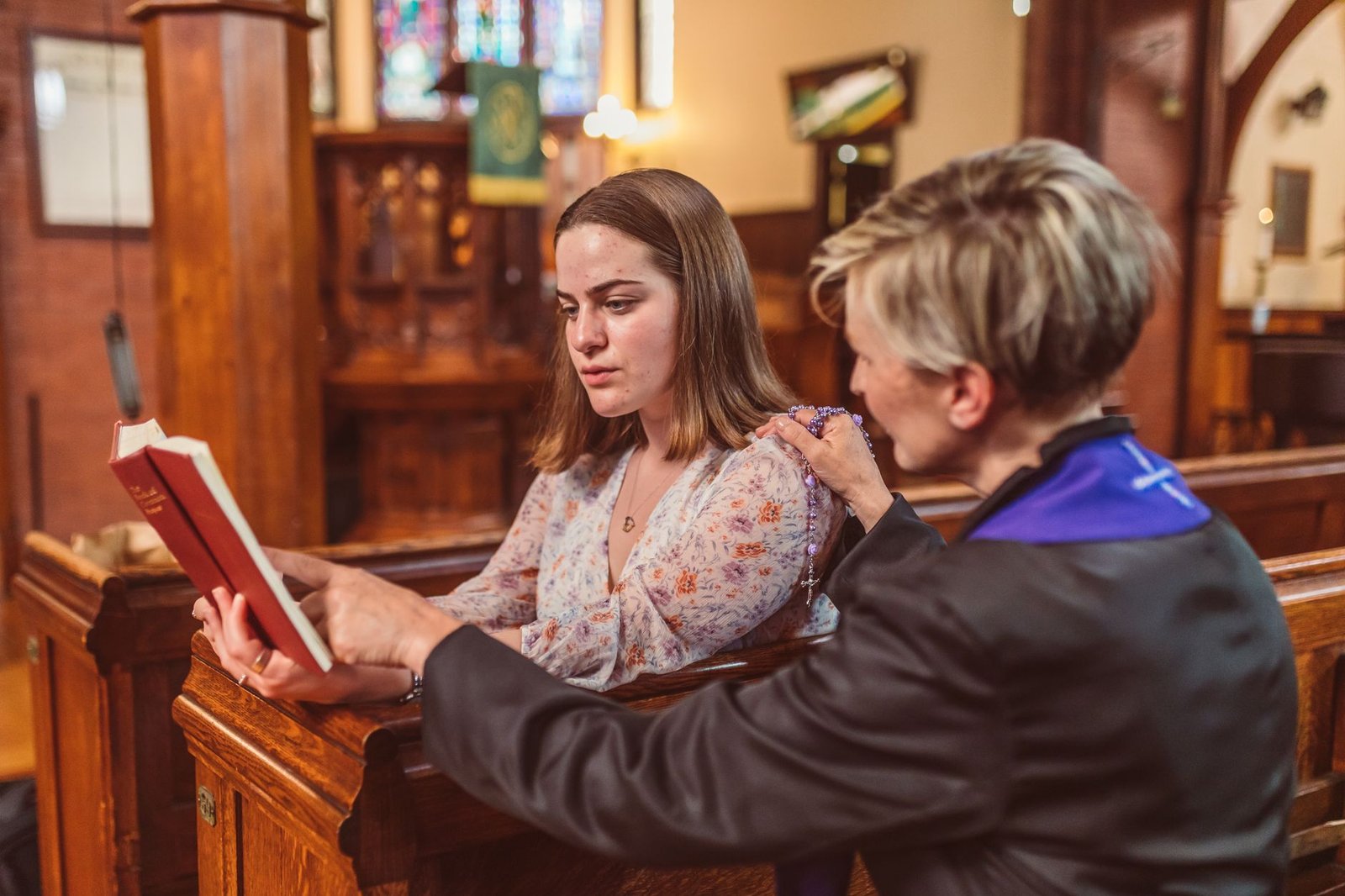
Reconciliation is one of the most powerful themes throughout the Bible. It reflects God’s desire for peace, healing, forgiveness, restoration, and unity among people. Human relationships are often damaged by anger, betrayal, misunderstandings, pride, jealousy, harsh words, and unforgiveness. However, Scripture consistently teaches that believers are called to pursue peace and restoration instead of division and bitterness.
The Bible does not present reconciliation as a mere emotional feeling. Rather, it is a spiritual responsibility rooted in love, humility, mercy, repentance, and obedience to God. Through reconciliation, relationships that were broken can be healed, trust can gradually be restored, and hearts can experience freedom from resentment and pain.
Moreover, reconciliation mirrors the relationship between God and humanity. Through Jesus Christ, God reconciled sinners to Himself. Therefore, Christians are expected to reflect that same grace in their relationships with others.
What Does Reconciliation Mean in the Bible?
Biblical reconciliation refers to the restoration of a broken relationship. It involves resolving conflict, removing hostility, rebuilding peace, and restoring fellowship between individuals or groups.
Reconciliation often includes:
- Forgiveness
- Repentance
- Humility
- Compassion
- Patience
- Mercy
- Love
- Peace-making
It does not always mean instantly restoring trust or pretending the offense never happened. Instead, it means choosing God’s path of healing rather than remaining in hatred, revenge, or division.
Related Posts:




God Calls Believers to Reconcile With Others
One of the clearest teachings in Scripture is that God desires His people to live in peace with one another.
Matthew 5:23-24
“Therefore if thou bring thy gift to the altar, and there rememberest that thy brother hath ought against thee;
Leave there thy gift before the altar, and go thy way; first be reconciled to thy brother, and then come and offer thy gift.”
In this passage, Jesus teaches that reconciliation is so important that it should take priority even over religious activities. Worship without a sincere effort toward peace and restoration is incomplete. God values relationships deeply, and believers are encouraged to seek reconciliation quickly when conflict arises.
This verse also highlights personal responsibility. Even if another person has something against someone, the believer should take the initiative toward peace rather than waiting passively.
Reconciliation Reflects the Character of Christ
Jesus Christ demonstrated reconciliation through His life, death, and resurrection. Humanity was separated from God because of sin, but Christ made peace possible through His sacrifice.
2 Corinthians 5:18-19
“And all things are of God, who hath reconciled us to himself by Jesus Christ, and hath given to us the ministry of reconciliation;
To wit, that God was in Christ, reconciling the world unto himself, not imputing their trespasses unto them.”
This passage explains that reconciliation is central to the Gospel itself. God reconciled sinners through Christ, and believers are now entrusted with the responsibility of promoting peace and restoration among others.
Furthermore, Christians are called ambassadors of reconciliation. This means they should demonstrate grace, forgiveness, and humility in their daily relationships.
Forgiveness Is Essential for Reconciliation
True reconciliation cannot occur without forgiveness. Bitterness, resentment, and revenge prevent healing and prolong emotional pain.
Colossians 3:13
“Forbearing one another, and forgiving one another, if any man have a quarrel against any: even as Christ forgave you, so also do ye.”
This verse establishes the standard for forgiveness. Believers are expected to forgive others in the same way Christ forgave them. Christ’s forgiveness is patient, sacrificial, merciful, and unconditional.
Forgiveness does not mean approving sinful behavior or denying pain. Rather, it means releasing the desire for revenge and entrusting justice to God.
Moreover, forgiveness often begins as a decision before it becomes an emotion. Healing may take time, but reconciliation becomes possible when forgiveness is genuinely pursued.
Humility Opens the Door to Restoration
Pride is one of the greatest obstacles to reconciliation. Many conflicts continue because individuals refuse to apologize, admit wrongdoing, or seek peace.
Philippians 2:3
“Let nothing be done through strife or vainglory; but in lowliness of mind let each esteem other better than themselves.”
Humility enables people to listen, understand, apologize, and extend grace. Reconciliation frequently requires setting aside pride and choosing peace over personal victory.
A humble heart recognizes that relationships are often more valuable than winning arguments. Scripture repeatedly encourages believers to pursue gentleness and patience in difficult situations.
Pursuing Peace Is a Christian Responsibility
The Bible consistently teaches believers to actively pursue peace.
Romans 12:18
“If it be possible, as much as lieth in you, live peaceably with all men.”
This verse acknowledges that reconciliation may not always be fully possible because peace requires cooperation from both parties. However, believers are instructed to do everything within their power to pursue peace and avoid unnecessary conflict.
Importantly, reconciliation includes:
- Speaking kindly
- Avoiding gossip
- Refusing revenge
- Seeking understanding
- Showing patience
- Demonstrating compassion
God honors those who choose peace instead of hostility.
Reconciliation Requires Love
Love is the foundation of restored relationships. Without love, reconciliation becomes shallow and temporary.
1 Peter 4:8
“And above all things have fervent charity among yourselves: for charity shall cover the multitude of sins.”
Biblical love is not merely emotional affection. It is a deliberate commitment to kindness, mercy, patience, and compassion.
Love allows individuals to:
- Extend grace
- Overlook minor offenses
- Speak gently during conflict
- Desire healing instead of revenge
- Restore relationships with sincerity
Moreover, genuine love seeks the spiritual and emotional well-being of others.
The Danger of Unforgiveness
Unforgiveness damages spiritual growth, emotional peace, and relationships. The Bible warns strongly against allowing bitterness to remain in the heart.
Ephesians 4:31-32
“Let all bitterness, and wrath, and anger, and clamour, and evil speaking, be put away from you, with all malice:
And be ye kind one to another, tenderhearted, forgiving one another, even as God for Christ’s sake hath forgiven you.”
This passage contrasts destructive attitudes with godly behavior. Bitterness and anger destroy unity, while kindness and forgiveness promote healing and restoration.
Unforgiveness often traps individuals in emotional pain. Reconciliation brings spiritual freedom, peace, and renewed fellowship.
Peacemakers Are Blessed by God
Jesus specifically praised those who promote peace and reconciliation.
Matthew 5:9
“Blessed are the peacemakers: for they shall be called the children of God.”
Peacemakers actively work to restore broken relationships and reduce conflict. They encourage understanding, forgiveness, unity, and healing.
Being a peacemaker does not mean avoiding truth or enabling wrongdoing. Instead, it means approaching conflict with wisdom, love, humility, and a sincere desire for restoration.
Reconciliation in Families and Friendships
Many broken relationships occur within families and friendships. Scripture encourages believers to restore these relationships whenever possible.
Misunderstandings, harsh words, jealousy, betrayal, and unresolved anger can create deep emotional wounds. However, God’s grace can bring healing even to severely damaged relationships.
Proverbs 15:1
“A soft answer turneth away wrath: but grievous words stir up anger.”
Gentle communication can prevent conflicts from escalating. Words have the power either to heal or to destroy relationships. Therefore, believers are encouraged to speak with wisdom, patience, and grace.
Reconciliation within families often requires:
- Honest communication
- Repentance
- Patience
- Prayer
- Compassion
- Long-term commitment to healing
Reconciliation Requires Wisdom and Boundaries
Although reconciliation is encouraged, the Bible also teaches wisdom. Some situations involve repeated abuse, manipulation, violence, or dangerous behavior. In such cases, reconciliation may require boundaries, accountability, and caution.
Forgiveness does not eliminate wisdom. Trust may need to be rebuilt gradually over time through genuine repentance and changed behavior.
Believers are called to pursue peace while also exercising discernment and protecting themselves from continued harm.
Prayer and Reconciliation
Prayer plays an important role in reconciliation. Through prayer, individuals receive strength, wisdom, humility, and healing.
Prayer helps believers:
- Release bitterness
- Gain compassion
- Seek God’s guidance
- Control anger
- Develop patience
- Desire restoration
God often softens hearts and opens opportunities for healing through sincere prayer.
Reconciliation Brings Spiritual Freedom
Reconciliation produces emotional and spiritual benefits. It removes the burden of bitterness and restores peace within the heart.
Those who reconcile often experience:
- Inner peace
- Emotional healing
- Renewed relationships
- Spiritual growth
- Greater joy
- Freedom from resentment
Moreover, reconciliation strengthens Christian witness because it reflects the love and mercy of Christ.
Final Thoughts
The Bible presents reconciliation as a vital part of Christian living. God desires believers to pursue peace, forgiveness, humility, and restoration in their relationships. Although reconciliation can sometimes be difficult and painful, it reflects the heart of God and the example of Jesus Christ.
Through forgiveness, compassion, wisdom, and prayer, broken relationships can experience healing and renewal. Christians are called not only to receive God’s reconciliation but also to extend that same grace to others.
Ultimately, reconciliation demonstrates the transforming power of God’s love. It replaces bitterness with peace, division with unity, and pain with healing.
Further Reading
PRAYER TO KNOW GOD
PRAYER FOR THE JOY OF COMPANIONSHIP
BIBLE VERSES ABOUT GODS PROTECTION
How the Bible Teaches Us to Pray Without Ceasing
BIBLE VERSES ABOUT STAYING STRONG IN RELATIONSHIPS
PRAYER FOR LONELINESS IN MY MARRIAGE
10 Inspiring Prayers for Joy